
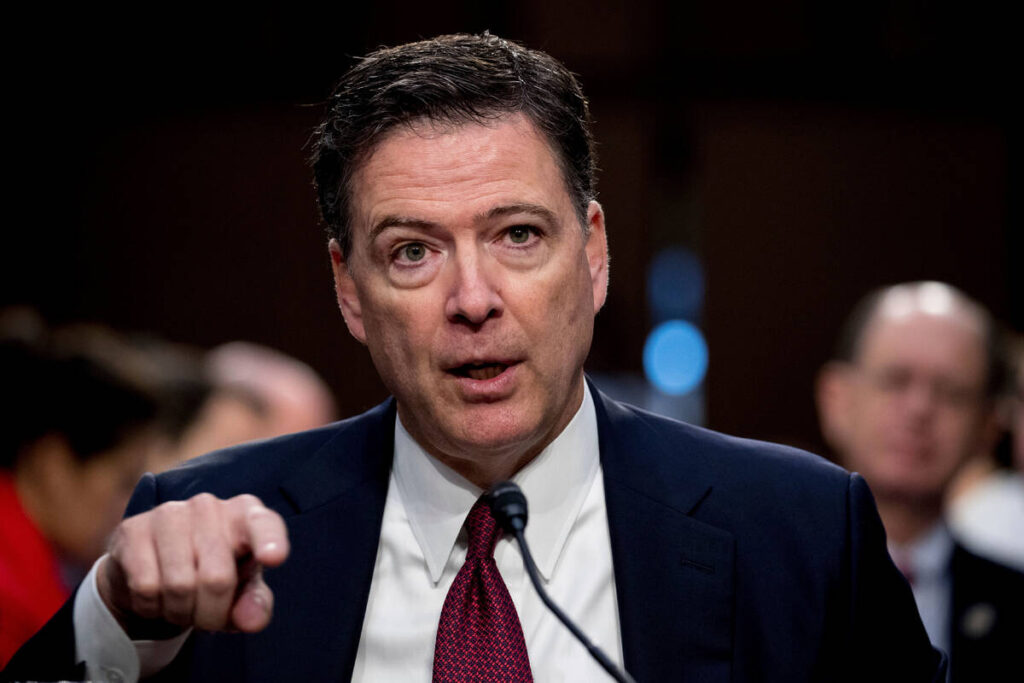
Judge dismisses Comey, James indictments after finding that prosecutor was illegally appointed
Summary
A federal judge, U.S. District Judge Cameron McGowan Currie, has dismissed the criminal indictments against former FBI Director James Comey and New York Attorney General Letitia James after finding that the prosecutor who brought the charges, Lindsey Halligan, was illegally appointed by the Justice Department. The appointments were tied to political pressure from President Donald Trump following the forced resignation of a prior interim U.S. attorney, Erik Siebert. The judge dismissed the cases without prejudice — leaving unclear whether the Justice Department can or will try to refile charges — despite requests from the defendants to have the cases dismissed with prejudice.
Key Points
- Judge Currie ruled the prosecutor’s appointment unlawful, undermining the indictments against James Comey and Letitia James.
- The prosecutor, Lindsey Halligan, was appointed after Erik Siebert resigned amid pressure to file charges; the appointment followed public urging from President Trump.
- Comey faced charges including making a false statement and obstructing Congress; James was charged in a mortgage fraud investigation.
- Cases were dismissed without prejudice — prosecutors might seek other ways to revive or refile, though the path is uncertain.
- The decision is part of a broader series of rulings disqualifying interim prosecutors appointed under similar mechanisms in other districts.
Content summary
The court found that the mechanism used to install Halligan — a former White House aide with limited prosecutorial experience — was improper. Defence lawyers argued the district’s judges should have had control over filling the vacancy after Siebert’s exit. The appointment occurred rapidly after public pressure and social-media posts from the president demanding action against his critics. Currie’s order criticised the administration’s manoeuvring to place a loyalist prosecutor in a key role, calling into question the legitimacy of the resulting indictments.
Although the defendants asked for dismissal with prejudice (which would bar the government from refiling), the judge dismissed the charges without prejudice. Legal experts say that leaves open procedural and political questions about whether the Justice Department can pursue these matters again, or must find a new, properly appointed prosecutor to do so. The ruling echoes other recent decisions where interim prosecutors were disqualified for how they were appointed, though in other cases prosecutions were allowed to continue.
Context and relevance
This ruling is significant for several reasons: it is a judicial rebuke of politically driven prosecutorial appointments, it highlights separation-of-powers and appointments law questions, and it has immediate political consequences given the high profiles of Comey and Letitia James. For readers tracking the intersection of law and politics, the decision illustrates how procedural defects in appointments can topple major prosecutions and may shape how the Justice Department and White House approach politically sensitive cases going forward.
Why should I read this?
Short version — because this isn’t just another court story. It’s a courtroom smackdown that shows how the way someone is appointed can torpedo big, headline-making prosecutions. If you care about justice, politics, or what happens when legal process and presidential pressure collide, this one matters. Plus, it could affect whether these cases ever come back.