
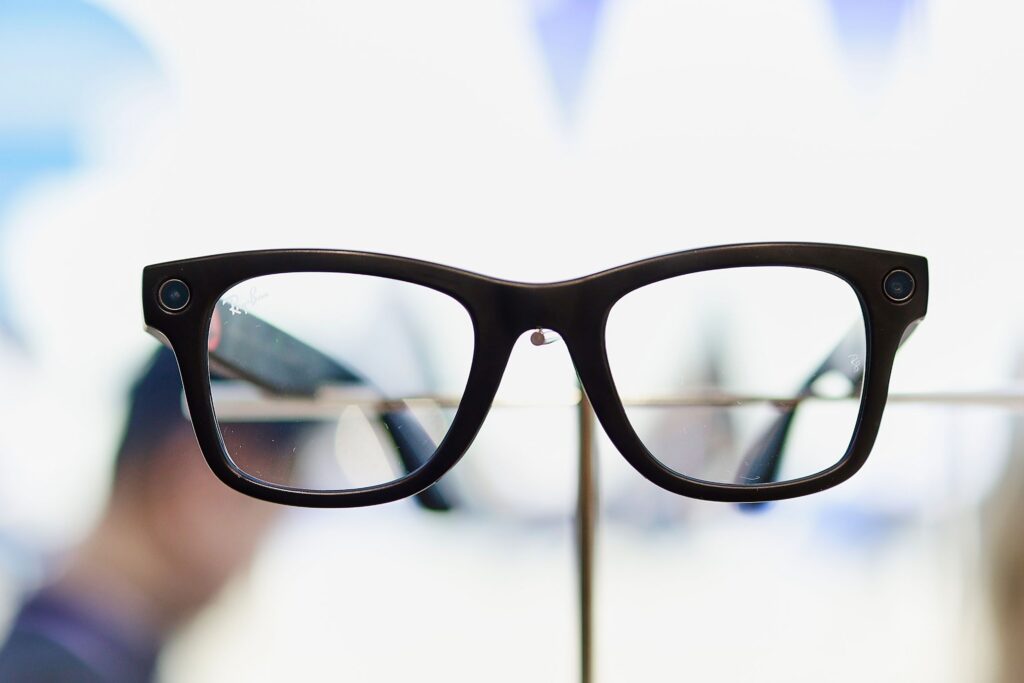
Meta Is Warned That Facial Recognition Glasses Will Arm Sexual Predators
Summary
More than 70 civil-society groups — including the ACLU, EPIC and Fight for the Future — have demanded Meta drop plans to add face recognition to its Ray-Ban and Oakley smart glasses (reportedly called “Name Tag”). The feature would let wearers identify people in their field of view via Meta’s AI assistant, either limited to people the wearer already knows on Meta platforms or expanded to recognise anyone with a public Meta account.
The coalition argues the feature would enable stalking, harassment and covert identification of vulnerable people — survivors of abuse, immigrants, LGBTQ+ people and protesters — and cannot be made safe through tinkering or opt-outs. They want Meta to abandon the plan, disclose any use of wearables in harassment or law‑enforcement contexts, and consult independent experts before any biometric ID rollout.
The campaign follows past legal and regulatory headaches for Meta over facial recognition: the company wound down Facebook photo-tagging in 2021 after costly litigation and settlements, but internal documents reveal Reality Labs considered launching the smart‑glasses ID during a “dynamic political environment,” apparently betting civil‑society attention would be elsewhere. EPIC has urged regulators, including the FTC, to investigate and block the rollout.
Key Points
- Over 70 organisations — from civil liberties, domestic violence and immigrant‑rights groups — demand Meta abandon the “Name Tag” face‑recognition feature for its smart glasses.
- Name Tag would let wearers pull up identities and associated Meta account data on people in view; engineers discussed both a narrow (existing connections only) and a broad (public accounts) version.
- Groups argue identification in public removes meaningful consent and would endanger survivors, protesters, migrants and LGBTQ+ people by enabling silent surveillance.
- The coalition calls for full transparency from Meta on any instances of wearables used in stalking/abuse and any discussions with law enforcement agencies like ICE and CBP.
- Meta has a fraught history with biometric ID: it shut Facebook’s photo‑tagging in 2021 after litigation and multi‑billion‑dollar settlements over faceprint collection.
- EPIC has urged regulators to investigate; civil‑society groups say product design changes or opt‑outs won’t fix the fundamental risk posed by covert, real‑time ID in consumer eyewear.
- Meta internal memos reportedly considered launching during political distraction — a move critics call opportunistic and dangerous.
Author style
Punchy: This isn’t a niche product debate — it’s a potential shift in how anonymity in public spaces is treated. If Name Tag ships, small, everyday interactions could become searchable identity events. That’s a design decision with huge social consequences, not just another gadget feature.
Why should I read this?
Look, if you walk about town, protest, attend support groups or care about folks who need to stay anonymous, this matters. These glasses wouldn’t just be clever tech — they’d be a way for creeps, over‑zealous agents or scammers to quietly ID people and pull up personal data. The article shows who’s opposing it, why they’re angry, and why regulators and courts might get involved. Worth five minutes of your time.