
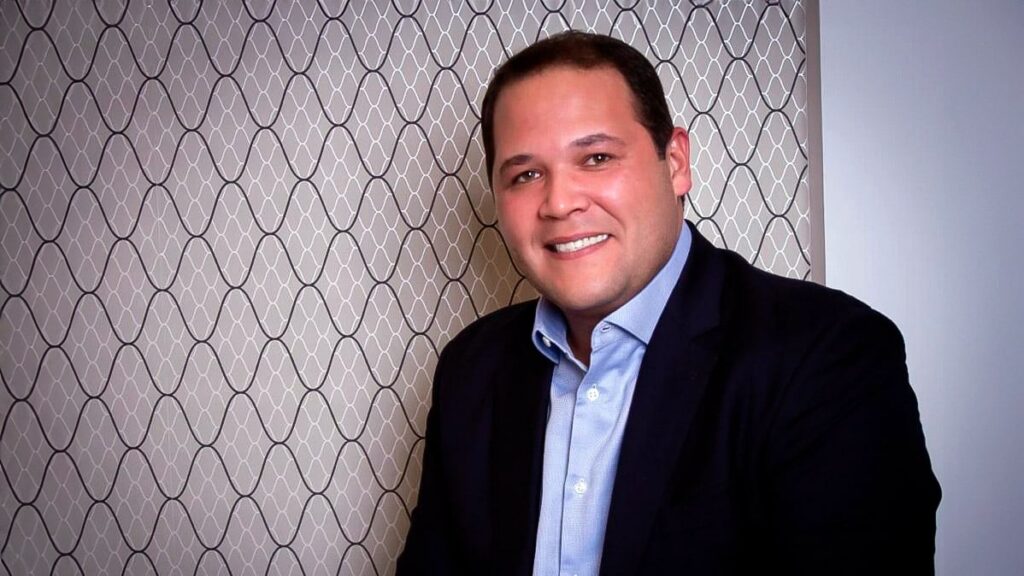
Superbet CEO cautions Brazil ad curbs could weaken regulated betting and disrupt sports funding
Summary
Superbet CEO Alexandre Fonseca warned that proposed advertising restrictions for sports betting in Brazil could blur the line between licensed operators and illegal platforms, threatening the regulated market and key sponsorship flows. Speaking at the Carnival Superbet 2026 launch in Copacabana, Fonseca said fixed-odds operators collectively channel around R$2 billion a year into Brazilian football via broadcast, club and stadium deals, and that cutting advertising could reduce those investments and tax transfers to sports confederations.
Fonseca also criticised lawmakers for conflating fixed-odds betting with lotteries, noting a recent change under Complementary Law 224/25 that reduces the payout rate for fixed-odds betting from 88% to 87% from 27 March, and warned this could further harm the regulated sector. Superbet confirmed plans to expand its Carnival presence in 2026 while continuing to voice concerns over the proposed measures.
Key Points
- Proposed limits or bans on betting advertising in Brazil could make licensed operators indistinguishable from illegal platforms, according to Superbet CEO Alexandre Fonseca.
- Fixed-odds betting firms reportedly invest about R$2 billion annually in Brazilian football through sponsorships and partnerships.
- Reduced advertising could trigger lower industry revenue, cut tax transfers and shrink funding for confederations across football and other sports.
- Fonseca warned of a real risk of collapse for Brazilian football if major sponsorship income declines significantly.
- The CEO highlighted confusion among lawmakers between fixed-odds betting and lotteries, and flagged a payout-rate change under Complementary Law 224/25 (88% to 87% from 27 March).
- Superbet is publicly defending regulated market interests while expanding its Carnival sponsorship activities in Rio.
Context and relevance
This matters because advertising rules shape how legal operators market themselves and fund sports. In Brazil’s nascent regulated betting market, sponsorship and broadcast deals are a major revenue stream for clubs and federations. Curtailing ad activity could push players and fans towards unregulated alternatives, reduce government tax receipts linked to the sector and undermine commercial support for lower-profile sports that rely on these transfers.
The story sits at the intersection of regulation, public policy and sports economics — a trend seen globally as jurisdictions try to balance consumer protection with preserving a regulated market that channels funds into sport and culture.
Why should I read this?
Short version: if you care about where football clubs and sports get their cash, or you follow gambling regulation in Latin America, this is worth a quick read. Fonseca’s warning isn’t just PR — it flags real money flows that could vanish and the unintended consequences of a blunt advertising ban.