
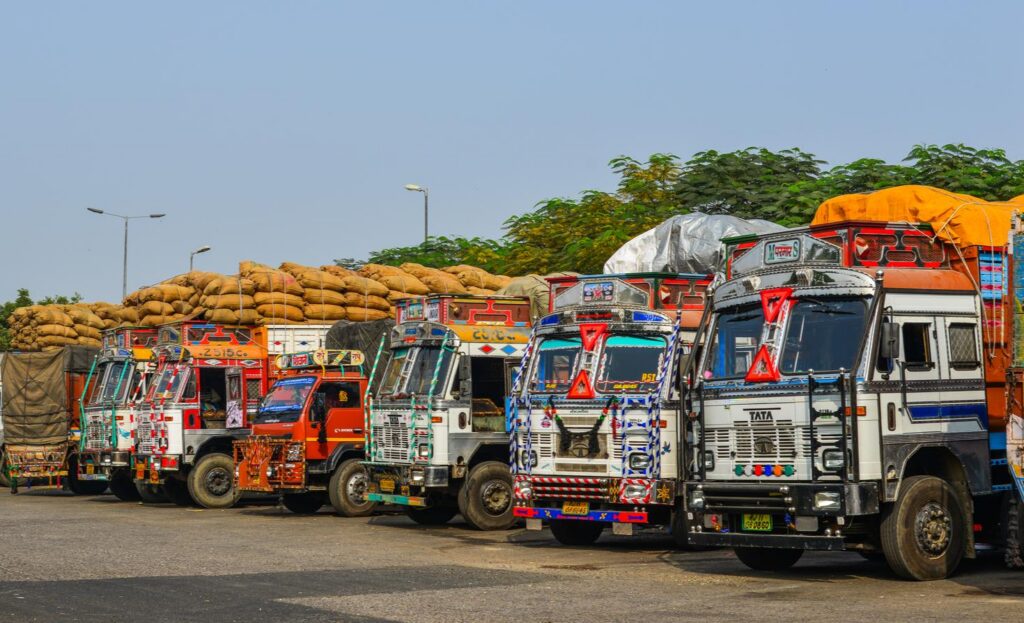
Why the Truck Transport Business in India Needs Digitalisation to Grow
Summary
The article — authored by Sarthak Elwadhi, Co‑Founder of TrucksUp — argues that digitalisation is now essential for India’s truck transport sector. Trucking moves roughly 65–70% of domestic freight by volume but remains highly fragmented, largely manual and inefficient. The piece explains how digital freight platforms, transport management systems and simple mobile tools can cut empty miles, improve fleet utilisation, bring pricing transparency, speed up payments, support drivers, automate compliance (e‑way bills, FASTag, GST) and unlock data‑driven decision‑making. Digital adoption is presented as the route to enable e‑commerce growth, empower small fleet owners, and build a resilient, future‑ready industry.
Key Points
- Trucks carry about 65–70% of India’s domestic freight by volume; the sector is highly fragmented with most owners running fewer than five trucks.
- Manual processes (phone bookings, paper docs, cash payments) drive inefficiency: high idle time, low asset utilisation and delayed payments.
- Digital freight platforms and transport management systems reduce empty running by matching demand and supply and improving route optimisation.
- Digitisation brings transparent, data‑backed pricing and automates invoicing — speeding payments and improving cash flow for owners and drivers.
- Mobile and telematics tools boost driver productivity, reduce stress (faster turnarounds, electronic PODs, real‑time trip info) and aid retention.
- Automating compliance (e‑way bills, FASTag, GST reporting) reduces penalties and administrative burden and opens access to larger contracts.
- Data from platforms enables informed decisions on asset maintenance, fuel usage, routing and fleet expansion — moving decisions beyond gut feel.
- Digital systems are critical to meet e‑commerce and quick‑commerce demands for speed, visibility and reliability.
- Small and medium fleet owners can compete via marketplaces, finance tools and performance analytics — technology levels the playing field.
- Overall, digitalisation increases resilience against disruptions (fuel shocks, economic volatility) and aligns with government infrastructure and logistics initiatives.
Content summary
India’s truck transport is pivotal to the economy but remains dominated by small, manually operated operators. The article highlights several pain points — opaque pricing, long payment cycles, empty miles, paperwork and poor visibility. It outlines practical digital fixes: freight marketplaces to reduce empty running; telematics and route optimisation to raise utilisation; automated invoicing and payment systems to stabilise cash flow; and compliance automation to cut penalties and admin time.
Drivers benefit from mobile tools that give real‑time trip details, proof of delivery and faster access to pay — improving wellbeing and retention. Data from these digital systems enables fleet owners to make evidence‑based decisions on maintenance, route planning and fleet expansion. The author argues these changes are not just for large players: accessible platforms and tools let smaller operators compete, especially as e‑commerce demands faster and more predictable service.
Context and relevance
This article matters if you work in logistics, supply‑chain planning, fleet operations or run/contract with truck fleets in India. It ties into broader trends: rapid e‑commerce growth, greater regulatory digital reporting (e‑way bill, FASTag) and government pushes to reduce logistics costs. The piece frames digitalisation as both a commercial opportunity (lower costs, higher utilisation) and a strategic necessity (compliance, resilience, accessing bigger customers).
Author
Punchy take: Sarthak Elwadhi (Co‑Founder, TrucksUp) writes from operator and startup experience — the recommendations are pragmatic, focused on immediate ROI (fewer empty miles, faster payments) and longer‑term competitiveness. If you care about cost per km, driver retention and servicing e‑commerce demand, this is instantly useful.
Why should I read this?
Short version: if you manage fleets, buy road freight or build logistics tech, this is a quick reality check — the old, paper‑and‑phone model is bleeding money. The article strips out hype and shows where simple digital fixes actually pay off now: cutting empty runs, getting paid faster, staying compliant and keeping drivers happier. Basically — read it if you want your trucks to make more money and fewer headaches.