
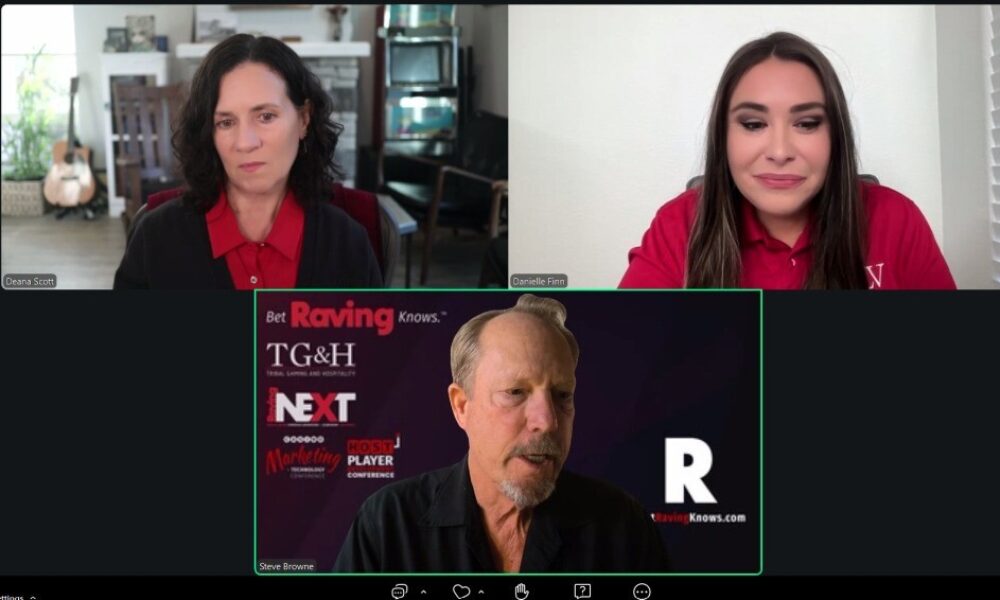
Raving Next: Prediction markets the #1 issue confronting tribal gaming in 2026
Summary
At the Raving Next Casino Strategy and Operations Summit, Raving CEO Deanna Scott and legal experts warned that prediction markets have become the top issue facing tribal gaming in 2026. While overall gaming revenue remains steady, margins are tighter and regulatory complexity is increasing. Prediction markets — platforms that let users wager on real-world events beyond traditional sports betting — are being framed as a jurisdictional and regulatory challenge that could undercut tribal sovereignty and established gaming frameworks.
UNLV’s Danielle Finn called prediction markets an existential threat to tribal gaming, arguing they rapidly change the rules and may be operating outside federal and state laws. The debate has, however, produced an unusual alignment: tribes and states are now commonly opposed to these operators. The summit also touched on an unrelated operational shift: the taxable hand-pay reporting threshold rising from US$1,200 to US$2,000 as of 1 January.
Key Points
- Prediction markets are viewed as the single biggest regulatory and jurisdictional threat to tribal gaming in 2026.
- Tribal leaders stress that gaming represents sovereignty, nation-building and self-determination, not just profit.
- Experts argue some prediction market operators may be violating federal and state gaming laws and bypassing existing regulatory frameworks.
- For the first time in some time, tribes and states are aligning against a common perceived encroachment from prediction market companies.
- The reporting threshold for taxable jackpot payouts increased from US$1,200 to US$2,000 on 1 January, changing operational touchpoints like hand pays.
Context and Relevance
Prediction markets are spreading quickly and testing the limits of existing gambling law. For tribal operators, the concern is not only lost revenue but erosion of regulatory control and sovereignty. The issue intersects with broader trends: rapid innovation in online wagering products, state-level regulatory responses, and legal battles that could reshape where and how wagering-like activities are allowed. The alignment between tribes and states suggests potential for coordinated legal and policy pushback, which is important for operators, regulators and suppliers to watch in 2026.
Why should I read this?
Because this isn’t just another regulatory headache—it could change who gets to run wagering in your patch. If you work in tribal or commercial gaming, regulation, or compliance, you should know how fast prediction markets are moving and why everyone’s suddenly teamed up against them. Read this to save time and get the core of the threat without wading through legal briefs.