
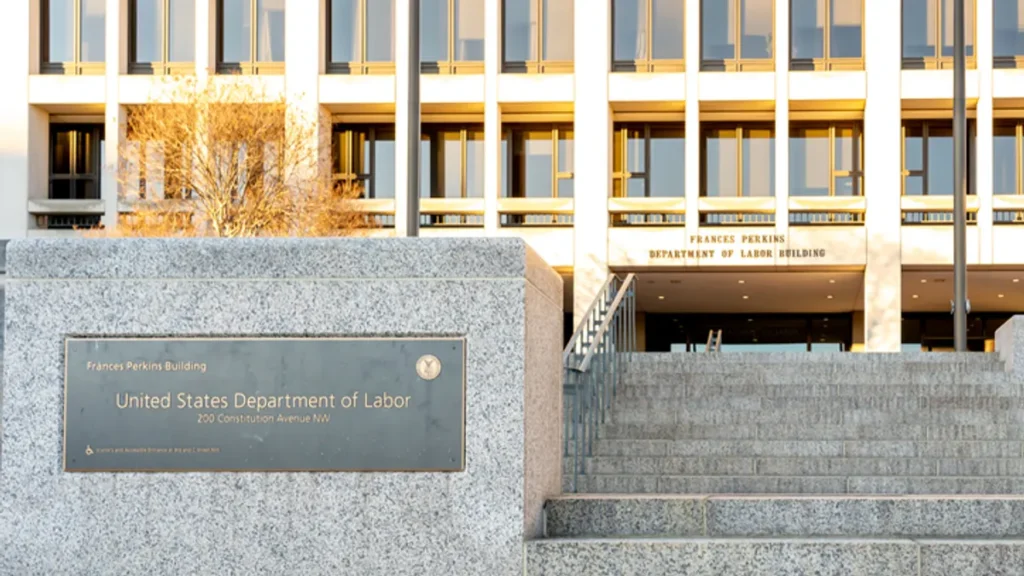
Feds tout reopened wage-and-hour violation self-reporting program
Summary
The U.S. Department of Labor has relaunched the Payroll Audit Independent Determination (PAID) programme, inviting employers to voluntarily self-report potential wage-and-hour breaches. Reopened in July, the scheme now covers Fair Labor Standards Act (FLSA) violations and — newly added — certain Family and Medical Leave Act (FMLA) violations, such as denial of FMLA leave, failure to reinstate employees to the same or equivalent role after leave, and penalising employees for using protected leave.
DOL officials say PAID speeds employee access to back wages and remedies without litigation, while giving employers a route to resolve issues and obtain DOL-overseen releases for FLSA matters. The agency reported that PAID’s initial run led to roughly $11 million recovered in back wages; earlier reporting noted program participants had paid more than $4 million to about 7,500 employees in one snapshot of cases.
Participation is limited: employers under investigation or involved in pre-existing litigation/arbitration for related matters cannot use PAID, and DOL may decline applications. Employees are not required to accept offered remedies, and early employer payments do not waive employees’ private litigation rights. Some management-side lawyers warn about potential exposure to state-law claims or that applying (or being denied) could highlight issues, though DOL says denial won’t automatically trigger an investigation absent other concerns.
Key Points
- PAID has been relaunched and expanded to include certain FMLA violations in addition to FLSA issues.
- The programme lets employers self-audit and offer expedited remedies, aiming to avoid litigation and speed recovery of back wages for employees.
- DOL reports the programme’s initial run recovered about $11 million in back wages; prior analyses cited over $4 million paid to roughly 7,500 employees in early cases.
- Employers already under related investigation or in existing litigation/arbitration are ineligible; DOL can refuse participation and bars repeat use for the same infractions.
- Employees aren’t obliged to accept PAID settlements, and accepting early payment before DOL review doesn’t strip away their right to sue privately.
Why should I read this?
If you employ people in the US, this is worth five minutes of your time — PAID is basically a do-over button that can let you fix payroll or FMLA slip-ups without getting dragged into long court fights. It can save money, time and hassle, but it also has traps (state claims, eligibility rules), so you’ll want to know whether your company can use it and what protections it really provides.
Author’s take
Punchy and practical: this isn’t just bureaucratic noise. PAID’s return — and its FMLA expansion — matters to HR and compliance teams because it changes an employer’s options for remediating mistakes. If you missed the programme the first time, now’s the moment to reassess internal audits and legal strategy.
Source
Source: https://www.hrdive.com/news/feds-tout-reopened-expanded-paid-program/810352/