
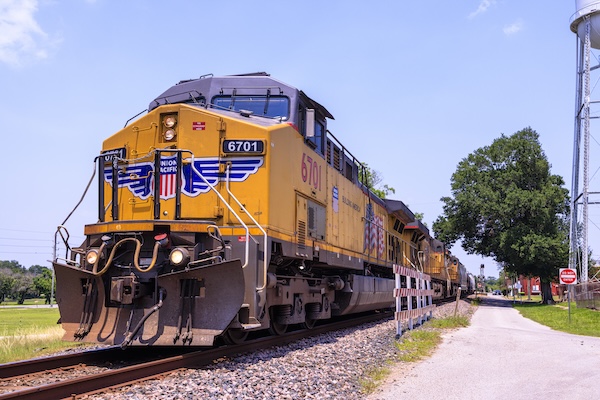
Union Pacific and Norfolk Southern shareholders overwhelmingly back proposed coast-to-coast rail merger
Summary
Shareholders of Union Pacific (UP) and Norfolk Southern (NS) have given near-unanimous approval to the companies’ proposed coast-to-coast merger, with UP reporting 99.5% of votes in favour of issuing new shares and NS reporting 99% approval. Company leaders say the deal will create America’s first single-line transcontinental railroad, promising faster transit times, improved reliability and stronger competition with road haulage. The transaction remains subject to review by the Surface Transportation Board (STB) and customary closing conditions, with reports suggesting the merger application could be filed around 1 December.
Key Points
- Union Pacific shareholders: 99.5% voted to approve issuing new shares tied to the merger.
- Norfolk Southern shareholders: 99% voted in favour of the deal.
- UP and NS leadership claim the merger will reduce interchanges, speed transit times and improve service reliability across a combined 50,000-route-mile network.
- The proposed combined carrier would handle roughly 40% of U.S. freight rail traffic, raising concentration concerns.
- The merger must be approved by the Surface Transportation Board under post-2001 rules that emphasise whether consolidation enhances competition.
- Opposition has emerged from shipper groups (including FRCA, NITL, ACC and the Alliance for Chemical Distribution) citing worries over rates, service and market power.
- Bipartisan senators have asked the STB to scrutinise long-term competition and agricultural impacts; other rail CEOs (eg CPKC) warn of industry risks from further consolidation.
Content summary
Both railways say shareholder approval is a major milestone on the path to creating a single-line, coast-to-coast railroad intended to deliver faster, more reliable and more competitive rail service versus trucks. Union Pacific CEO Jim Vena and Norfolk Southern CEO Mark George highlight expected benefits such as preserved union jobs, safety improvements and lower total transport costs for shippers through reduced cycle times.
However, the deal is not guaranteed. The STB must evaluate the merger under heightened post-2001 merger procedures that prioritise whether consolidation enhances — not merely preserves — competition. Critics, including major shipper alliances and some industry leaders, argue the merger could concentrate market power, lead to higher fees and poorer service for shippers, and present new risks to supply chains and agriculture. Unconfirmed reports place the STB filing around 1 December, after which regulatory scrutiny and stakeholder interventions are likely.
Context and relevance
This proposed merger is one of the most consequential moves in U.S. freight rail in years. If approved, it would reshape the competitive landscape, potentially altering freight routing, pricing dynamics and modal competition between rail and road. For shippers, carriers, logistics planners and regulators, the outcome will matter for service options, resilience and costs across major markets such as Chicago, Memphis, St Louis and New Orleans. The STB’s decision will also set an important precedent for how post-2001 merger rules are applied to Class I consolidations.
Why should I read this?
Quick and dirty: if you move freight, manage supply chains or work in logistics, this could change the game. Shareholders have given the green light, but regulators, shippers and political actors still have big say — so expect a noisy fight and real impacts on routing, costs and service windows. Read on if you want the essentials without wading through press releases.