
Funcionarios de Nevada abordan esfuerzos de conservación ante crisis por uso de agua del Río Colorado
Summary
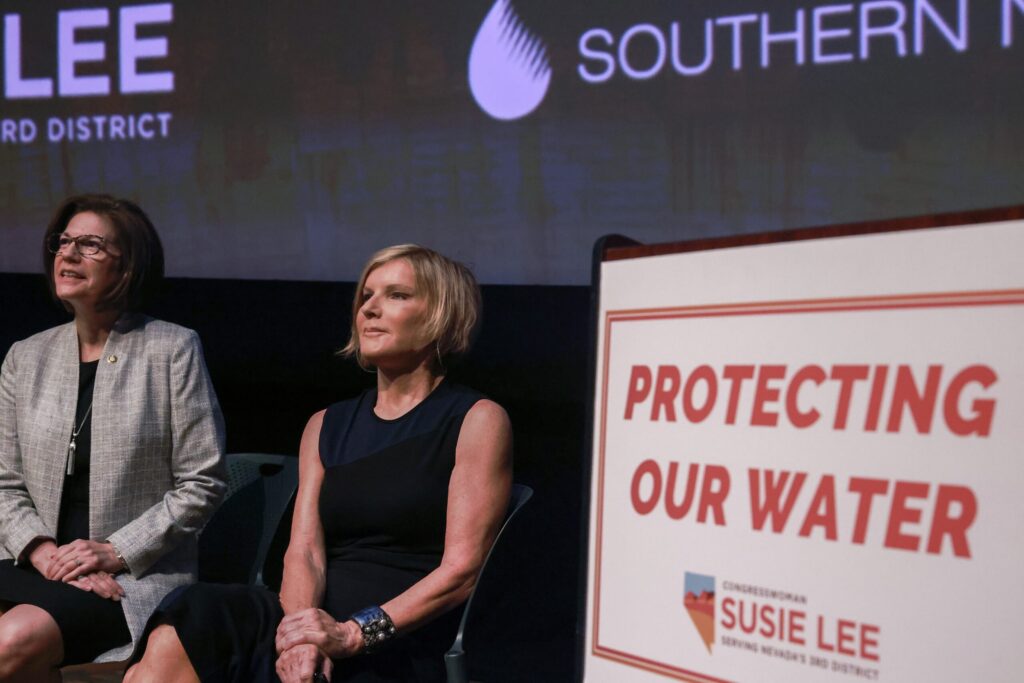
Nevada leaders, including Rep. Susie Lee and Sen. Catherine Cortez Masto, convened at the third Southern Nevada Water Summit on 28 August to focus on the Colorado River water crisis. With the three-state conservation agreement expiring next year, negotiations between Nevada, Arizona and California are tense and urgent. Speakers emphasised conservation, large-scale water recycling and the need for sustained federal funding and bipartisan action to protect the basin and tribal water rights.
Southern Nevada positions itself as a conservation leader: the region recycles nearly all treated wastewater and relies on facilities such as the Alfred Merritt Smith Water Treatment Plant, which can process about 600 million gallons a day. Officials warned that cuts are already affecting farmers across the basin and urged states to craft a jointly agreed plan rather than leave decisions to Congress.
Key Points
- Negotiations among Nevada, Arizona and California over Colorado River allocations are tense and time-sensitive; the existing multi-state agreement expires next year.
- Nevada receives a very small share of the river (about 2%) and has driven major conservation and recycling efforts as a result.
- Federal funding from recent laws (Inflation Reduction Act and Bipartisan Infrastructure Law) has started to flow but some funds have been delayed, complicating planning.
- Large-scale water recycling and reuse — supported by facilities like the Alfred Merritt Smith plant — are central to Nevada’s strategy.
- Officials highlighted xero-gardening and other local measures as practical ways to cut urban water use, while also noting agricultural impacts across the basin.
- Tribal water rights and protections are part of ongoing projects financed by federal drought mitigation funds.
Why should I read this?
Short version: Colorado River decisions will change how much water your state gets — and Nevada’s already squeezed. This story breaks down who’s pushing what, where the money and projects stand, and why recycling and conservation in Vegas matter far beyond the Strip. If you care about water bills, gardens or the region’s economy, this one’s worth two minutes.
Context and relevance
The Colorado River crisis reflects longer-term trends: hotter, drier conditions across the West, competing demands from cities, farms and tribes, and a limited supply that requires interstate cooperation. Nevada’s experience is useful as a case study in urban conservation and reuse infrastructure. The outcomes of current negotiations and the flow of federal funds will shape drought mitigation, agriculture, tribal rights and municipal planning across the basin.
For policymakers and utilities, the article underscores the urgency of agreed, basin-wide solutions and the importance of sustained investment in recycling and water-efficiency programmes. For the public, it highlights practical conservation measures and the political stakes of interstate bargaining.