
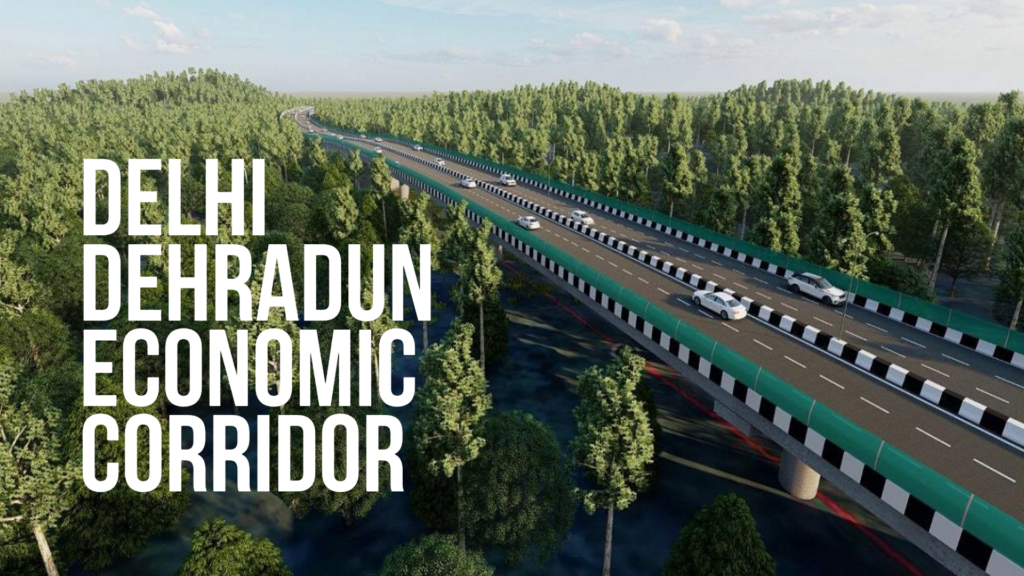
Delhi–Dehradun Economic Corridor Opens: A New Spine for North India’s Supply Chains
Summary
The newly inaugurated Delhi–Dehradun Economic Corridor shortens travel time between the National Capital Region and Dehradun to about 2.5 hours from more than six, offering far more than a quicker commute. The corridor reduces transit uncertainty, improves predictability for time-sensitive freight, and creates conditions for a decentralised logistics footprint stretching through towns such as Baghpat, Shamli and Saharanpur. It strengthens cold-chain access for Uttarakhand’s horticulture and dairy produce, boosts tourism-driven consumption flows, and connects seamlessly with existing NCR arteries to produce wider network effects.
Design features such as elevated wildlife corridors and animal crossings show an attempt to balance infrastructure delivery with ecological sensitivity. The corridor’s full benefits will hinge on follow-through: maintenance, traffic management and complementary logistics infrastructure (warehouses, logistics parks, cold-chain facilities) remain decisive.
Key Points
- Journey time cut from over six hours to roughly 2.5 hours, dramatically lowering transit cost and uncertainty.
- Greater predictability lets companies optimise inventory — leaner buffers, tighter dispatch cycles and reduced redundant stock.
- Smaller towns along the route become viable for warehousing, aggregation and light manufacturing, creating a secondary logistics belt with lower land costs.
- Strong uplift for perishables and cold chain: faster market access reduces spoilage and improves price realisation for Uttarakhand producers.
- Tourism growth will multiply demand for retail, hospitality and distribution services, increasing volumes on two-way flows.
- Integration with existing expressways creates network effects, improving freight distribution across the broader NCR and beyond.
- Ecological design elements (wildlife corridor, animal crossings) reduce operational stoppages and support ESG commitments.
- Long-term impact depends on maintenance, traffic management and the development of supporting logistics infrastructure.
Why should I read this?
If you work in logistics, retail, cold chain or regional planning — this matters. Faster, reliable links change how you place warehouses, schedule dispatches and price perishables. The corridor opens cheap land and faster routes outside Delhi, so you might want to rethink whether your next warehouse needs to be inside the NCR. Short version: it shifts where and how supply chains should be built — quickly.
Author note
Punchy take: this isn’t just a road — it’s infrastructure that can reshape supply-chain geography in North India. For operators and investors it’s time-sensitive: act on connectivity, or play catch-up later when volumes and land values move first.