
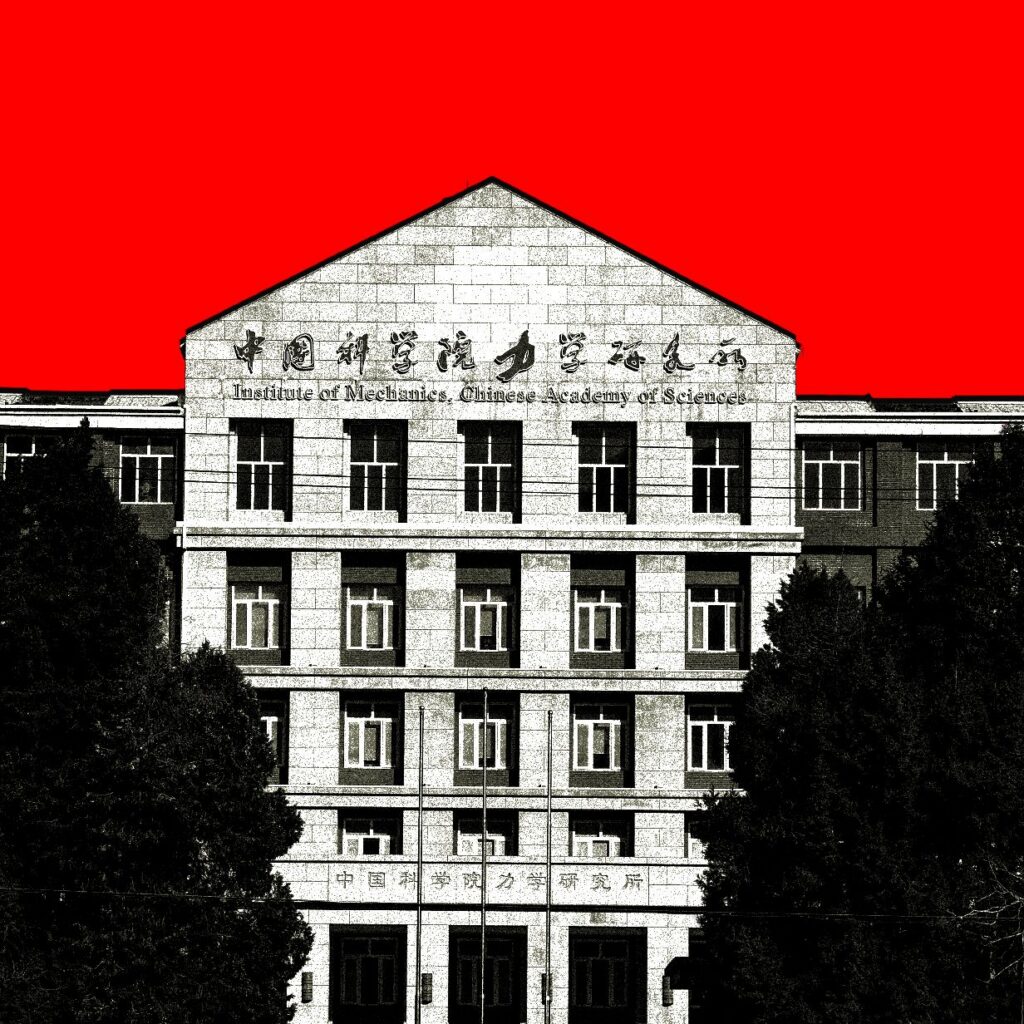
AI Research Is Getting Harder to Separate From Geopolitics
Summary
NeurIPS — the premier AI research conference — briefly announced new restrictions on international participants, sparking an immediate backlash from Chinese researchers and a threatened boycott that forced a rapid reversal. WIRED frames the episode as part of a broader trend: AI research is increasingly entangled with national security and geopolitical competition, driving strains between open scientific collaboration and state-driven controls.
Key Points
- NeurIPS introduced controversial participation rules and then reversed them after protests from Chinese AI researchers.
- The incident highlights growing friction between open academic exchange and national security concerns, especially between the US and China.
- Export controls, sanctions and conference policies are pressuring labs, academics and companies to choose markets or collaborators.
- Fragmentation risks include duplicated efforts, reduced reproducibility, and weaker global norms for AI safety and ethics.
- Longer term consequences: a split research ecosystem, more “sovereign AI” initiatives, and harder co‑operation on safety standards.
Content summary
The article uses the NeurIPS policy U‑turn as a concrete example of how AI research is being pulled into geopolitical disputes. It explains that Chinese researchers’ coordinated objections made the conference organisers backtrack, and situates that fight within a pattern of governments and institutions imposing restrictions for national‑security reasons. WIRED argues this is not an isolated spat but part of a widening split driven by export controls, investment screening, and pressure on conferences and journals to restrict certain affiliations or technologies.
WIRED examines the practical effects: collaborations become riskier, talent mobility is constrained, and incentive structures push some actors toward building self‑sufficient, nationally aligned AI stacks. The piece warns that political pressure can undermine open science and slow collective work on safety, while also noting that policymakers and research communities are still grappling with how to balance security and openness.
Context and relevance
This matters if you follow AI research, tech policy, investment or national security. The US–China rivalry is reshaping how models are developed, shared and regulated. For researchers and organisations it changes funding, hiring and collaboration choices; for regulators it raises questions about export controls and governance; for the public it affects which safety norms and standards emerge globally.
Why should I read this?
Because it explains, quickly and without fluff, why cosy international labs and conferences are suddenly messy. If you care who builds the next big model, who trains talent, or how safety rules will be set — this is where the fight starts. We’ve read the noise so you can see the real stakes.
Author style
Punchy — the reporting makes the case that this episode is symptomatic, not accidental. If you work in AI policy, research or strategy, the piece emphasises why the rest of 2026 could be about choosing sides rather than just sharing papers.