
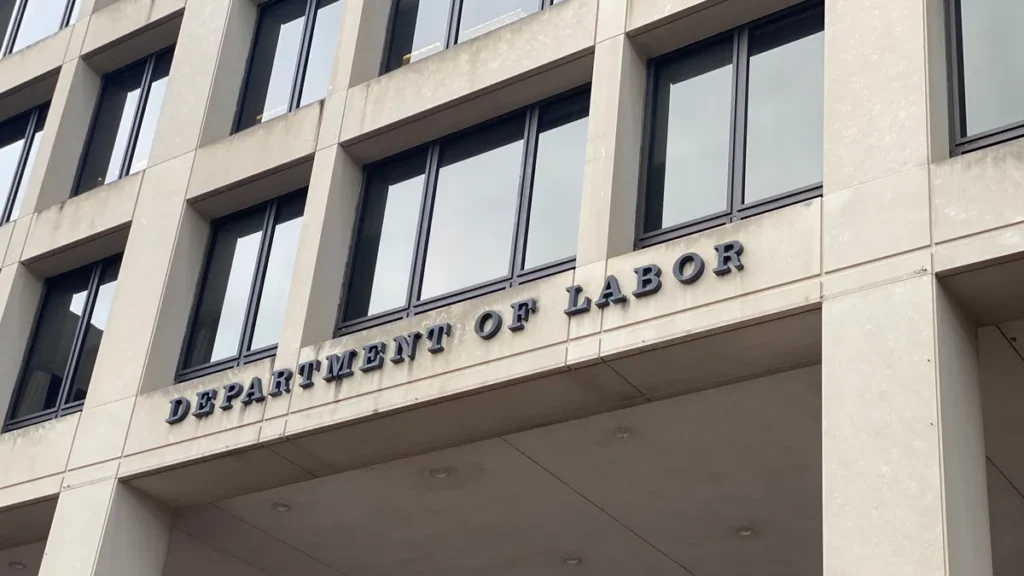
DOL seeks to hike H-1B visa holder wage rates to curb ‘abuse’ of program
Summary
The U.S. Department of Labor (DOL) has issued a proposed rule to raise prevailing wage levels used to certify labour condition applications for H-1B and similar skilled foreign-worker classifications. The proposal revives an earlier regulatory effort from the first Trump administration and would move each tier of the four-level wage scale upward — for example, increasing the lowest wage level from the 17th percentile to the 34th percentile of Occupational Employment and Wage Statistics (OEWS) survey data.
DOL says the change modernises wage protections and prevents abuse of the H-1B programme by ensuring foreign workers are paid market rates and protecting U.S. workers. The proposal would still permit employers to use private survey wage data as an alternative to OEWS figures. The agency has opened a 60-day public comment period, closing on 26 May 2026.
Key Points
- DOL proposes raising prevailing wage percentiles across all four wage levels used for H-1B certifications.
- The lowest wage level would move from the 17th to the 34th percentile of OEWS data, increasing minimum pay for many hires.
- The rule revives an earlier Trump-era regulatory push; the Biden administration previously rescinded a similar 2021 rule.
- DOL argues the update protects U.S. workers and reflects true market wages; critics warn it will raise sponsor costs and disrupt hiring plans.
- Employers may be allowed to substitute private survey wage data, which can be more granular than OEWS data.
- The proposal follows other administration actions — including a presidential proclamation proposing a $100,000 fee on new H-1B petitions and DHS moves to weight H-1B selection toward higher wages.
- Public comment period is 60 days, with responses due by 26 May 2026.
Context and relevance
This proposal is part of a broader federal push to make hiring skilled foreign workers costlier and to incentivise higher pay. For employers that rely on H-1B hires, the rule could materially raise compensation costs and complicate workforce planning. For HR and compensation teams it intersects with wage benchmarking, recruitment budgets and immigration strategies; for policymakers and advocates it ties into debates about protecting domestic wages versus maintaining access to global talent.
Why should I read this?
Short version: if you hire tech or other skilled roles from overseas, this could hit your recruiting budgets and timelines. It’s not just bureaucracy — it changes the numbers you’ll need to offer to win candidates and keep compliance teams happy. Read it now if you’re planning H-1B hires this year or budgeting for immigration-related costs.
Author style
Punchy — this isn’t a dry tweak. If you run hiring or compensation, treat this as urgent reading: it could add tens of thousands to individual hires and reshape how employers price sponsored roles.
Source
Source: https://www.hrdive.com/news/dol-seeks-hike-h-1b-visa-holder-wage-rates/816022/