
Sonowal Launches ₹1,500 Crore Green and Infra Push at VOC Port
Summary
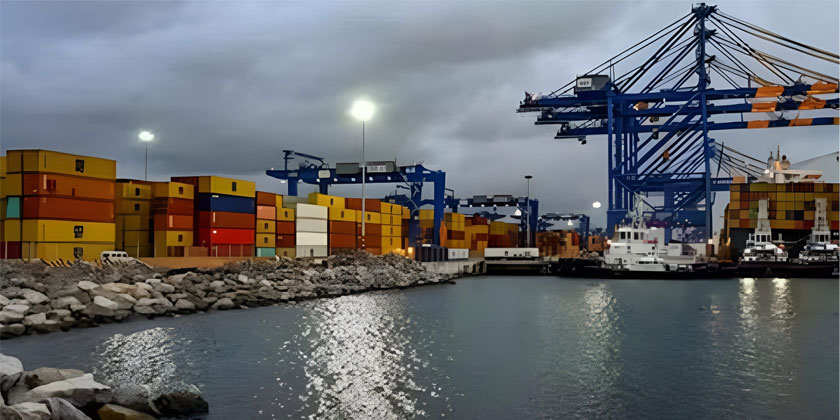
Sarbananda Sonowal, Union Minister for Ports, Shipping and Waterways, inaugurated and laid foundation stones for projects totalling over ₹1,500 crore at V.O. Chidambaranar (VOC) Port, Tamil Nadu.
Completed works (≈₹160 crore) target cargo efficiency and sustainability: strengthened rail and road evacuation, upgraded power systems with integrated solar, wind and battery storage, improved safety infrastructure, new digital platforms including a digital twin, and the VOC Maritime Heritage Museum.
Foundation works (≈₹1,340 crore) include an 8 MW wind farm with 5 MW storage, a 2 MW green-hydrogen unit, a 2 MW ground-mounted solar plant, smart energy management systems, ₹131 crore for rail infrastructure, ₹250 crore for shipbuilding equipment and ₹367 crore for green tugs — all aimed at cutting vessel turnaround and logistics costs, and boosting regional industrial growth (Thoothukudi, Tirunelveli, Madurai).
VOC Port leadership emphasised port-led industrialisation and green innovation as central to the port’s long-term maritime roadmap and transshipment competitiveness.
Key Points
- Total package: over ₹1,500 crore in completed and planned green and infrastructure projects at VOC Port.
- Completed works (~₹160 crore) improved connectivity, power resilience (solar, wind, battery), safety and digital capabilities (digital twin) and launched a maritime heritage museum.
- Major foundations (~₹1,340 crore) include an 8 MW wind farm + 5 MW storage, 2 MW green hydrogen, and 2 MW solar installations.
- Significant investments: ₹131 crore (rail infrastructure), ₹250 crore (shipbuilding equipment) and ₹367 crore (green tugs).
- Objectives: reduce vessel turnaround time, lower logistics costs, develop VOC as a regional transshipment and shipbuilding hub, and spur industrial growth across nearby districts.
Why should I read this?
Because if you care about ports, supply chains or green energy in logistics, this is a proper shot across the bow. Big-money upgrades, local industry kick‑starters and renewable power rolled into one — and it all points to faster ships, lower costs and new business for the Tamil Nadu hinterland. Short version: this matters for anyone tracking maritime trade, regional manufacturing or decarbonisation in Indian logistics.
Author’s note
Punchy takeaway: this isn’t incremental tinkering — it’s a sizeable, coordinated push combining energy, rail, shipbuilding and digital upgrades. For stakeholders in shipping, logistics and regional development, the details are worth digging into.