
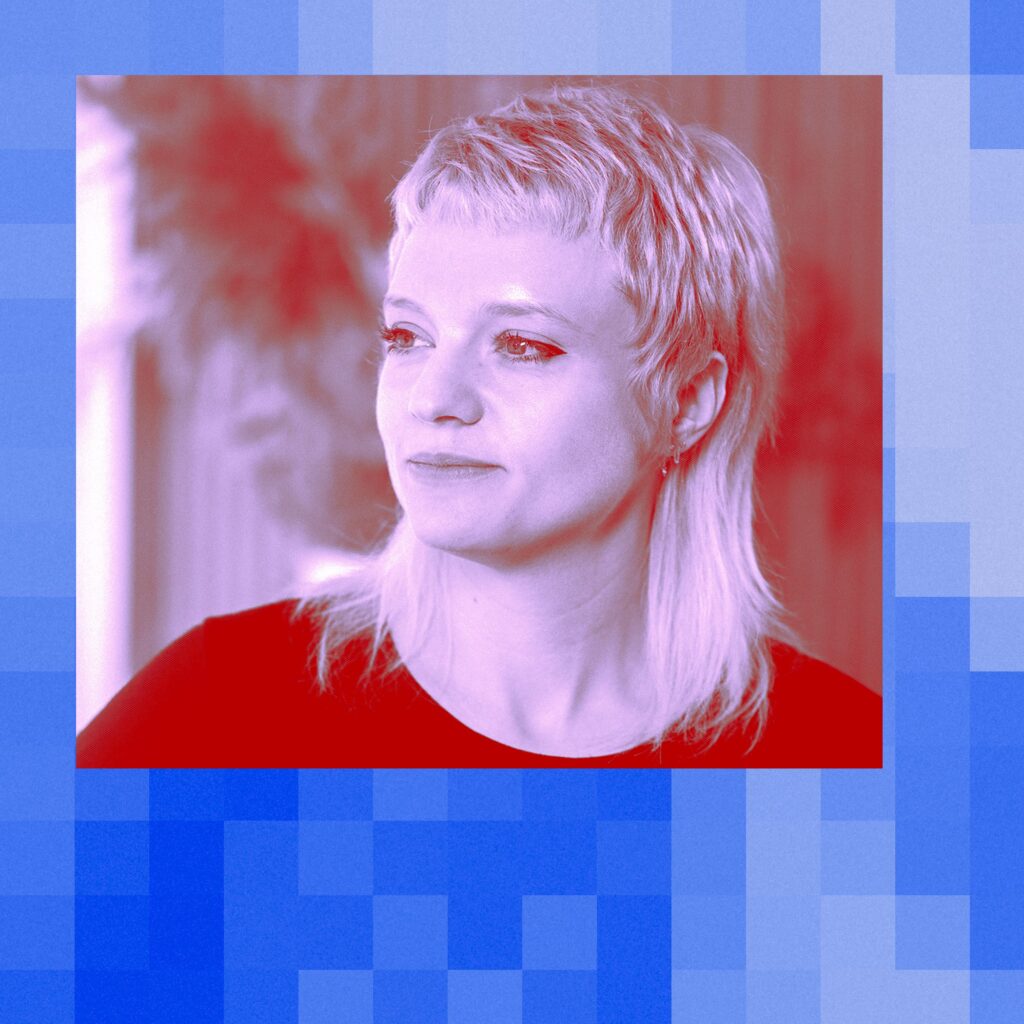
The Only Thing Standing Between Humanity and AI Apocalypse Is … Claude?
Summary
WIRED profiles Anthropic and its flagship model, Claude, focusing on the company’s safety-first posture and the paradox it faces: researching how AI can fail while still racing toward ever-more-powerful systems. The piece explains Anthropic’s approach to alignment — especially Constitutional AI — and profiles key voices inside the company, including its resident philosopher, who argue Claude might learn the prudence needed to avert catastrophe.
The article outlines Anthropic’s safety research, the technical and philosophical tensions of building potentially general intelligence, and the broader industry context where competitors are also pushing capabilities even as risks multiply.
Key Points
- Anthropic emphasises AI safety and has invested heavily in researching how models can go wrong, even as it advances model capabilities.
- Constitutional AI is Anthropic’s technique for instilling constraints and values into Claude without hard-coded instructions, aiming for alignment at scale.
- The company faces a paradox: the better it gets at identifying risks, the more pressure there is to build the next, riskier generation of models.
- Anthropic believes that models like Claude could learn to demonstrate the ‘wisdom’ needed to avoid harmful behaviour, but that claim is debated and unresolved.
- The story situates Anthropic within a competitive ecosystem (including OpenAI) and highlights implications for policy, research priorities, and public trust in AI systems.
Context and relevance
This piece matters because it pulls together technical, ethical and strategic strands about alignment — a live concern as labs scale compute and capabilities. If you follow AI policy, research, or product risk, the article explains why Anthropic’s methods (and their limits) are central to ongoing debates about how — and whether — the industry can build powerful models safely.
Regulators, investors and researchers should read it to understand the practical trade-offs companies face: investing in safety research while competing on capability, and the uncertain bet that a model can internalise prudent behaviour rather than simply be constrained by external controls.
Author’s note
Punchy take: WIRED’s profile reads like a reality check — smart people, good intentions, big unknowns. Anthropic is betting Claude can be taught to be wise; whether that bet pays off will shape the next chapter of AI.
Why should I read this
Short version: if you care about whether the next wave of AI will be controlled or chaotic, this story saves you time by explaining Anthropic’s bet (Constitutional AI + Claude) and why it’s both promising and fragile. It’s a neat read for anyone who wants the headlines and the practical tensions without wading through papers.