
Why L.L.Bean Hit a Wall at 50 Stores and Rethought Its Supply Chain
Summary
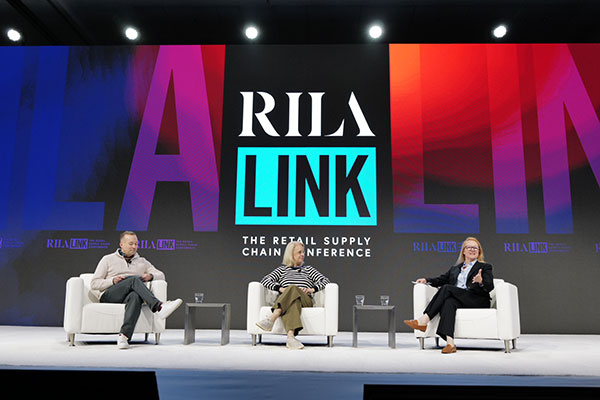
L.L.Bean found that the supply chain it built for a catalogue- and e-commerce-led business began to break down as the retail estate expanded. Executives told the RILA Retail Supply Chain Conference that when the company reached about 50 stores — and eyed much faster expansion under its Vision 2030 plan — the existing model produced store shipments that looked like oversized e-commerce orders, forcing store teams into hours of sorting and prep. Faced with scaling limits, L.L.Bean moved from incremental fixes to a wholesale rethink, starting with how product is prepped and moved for stores so fulfilment flows are genuinely store-ready.
Key Points
- L.L.Bean’s supply chain was optimised for direct-to-consumer single-item shipments, not rapid store growth.
- Problems became obvious once the company reached ~50 stores and intensified towards ~70 stores.
- Store shipments arrived in e-commerce-style mixes, creating extra back-of-house labour for store teams.
- Incremental process fixes proved insufficient; the company decided to redesign upstream processes to remove friction earlier in the flow.
- Retail was chosen as the starting point for transformation because it was the fastest-growing channel and revealed the model’s limits first.
- Scaling ambitions in Vision 2030 (opening 10+ stores a year) forced recognition that the supply chain — not demand or store execution — was the growth constraint.
Content summary
For years L.L.Bean expanded its retail footprint slowly, leaning on store teams to absorb operational friction. That approach worked while openings were modest. But the company’s fulfilment and inventory systems were designed around sending one-to-three items to individual customers. As stores multiplied, those same systems were repeatedly adapted to serve retail and omnichannel needs, generating inefficient shipments and extra labour at stores.
When the company set a more aggressive expansion target under Vision 2030, leaders realised the math no longer worked: the supply chain itself was the limiting factor. Instead of piecemeal changes, L.L.Bean chose to step back and redesign processes upstream — focusing on forecasting, store flows and how product is prepped — so stores receive truly store-ready replenishment that scales without constant workarounds.
Context and relevance
This is a practical case study for any retailer moving from slow, controlled growth to rapid expansion. It highlights a common blind spot: supply chains built for e-commerce micro-fulfilment can misalign with store replenishment needs. The L.L.Bean example echoes wider industry trends — omnichannel growth, the need for channel-specific fulfilment, and the cost of underestimating back-of-house labour — and underscores why forecasting, inventory strategy and fulfilment design must be channel-aware from the start.
Why should I read this?
Short version: if you’re planning more stores, pause and sort your supply chain first. L.L.Bean’s story is basically a warning you don’t want to learn the hard way — because the stores will pay for upstream mistakes with time, labour and slower openings. Read it to avoid firefighting at the back of the shop and to see why designing for store-ready flows matters sooner rather than later.
Source
Source: https://www.supplychain247.com/article/ll-bean-supply-chain-retail-transformation