
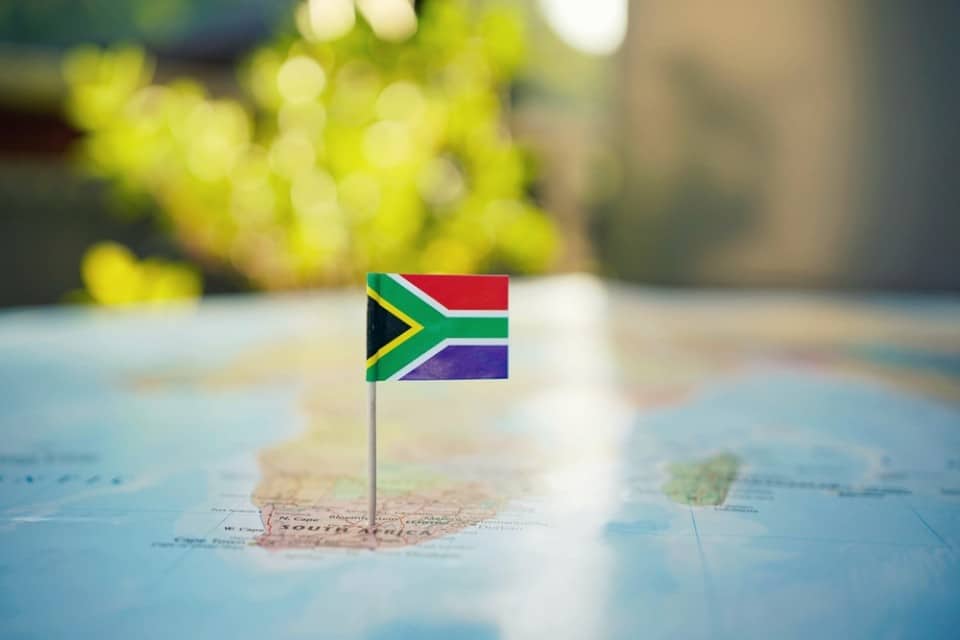
South Africa’s Wealth Paradox: Africa’s Richest Economy Tops the World in Income Inequality
Summary
South Africa is the continent’s largest economy by GDP (~$410bn) and produces a disproportionate share of Africa’s wealth — about 34% of the continent’s millionaires (41,100) and eight billionaires. Yet the World Inequality Report 2026 shows extreme concentration: the top 10% receive about 66–70% of national income while the bottom 50% share roughly 6%.
Wealth is even more concentrated: the top 10% hold around 86% of personal wealth and the top 1% own about 55%. These patterns have been stable for a decade and are described as racialised, gendered and spatialised — with women, rural communities and non-white South Africans systematically disadvantaged. The piece situates South Africa within a wider global trend of accelerating wealth concentration and highlights climate and policy risks tied to extreme inequality.
Key Points
- South Africa: GDP ≈ $410bn; 41,100 millionaires and eight billionaires; Johannesburg/Sandton is the main wealth hub.
- Top 10% of South Africans capture ~66–70% of national income; bottom 50% get ~6%.
- The richest 10% control ~86% of personal wealth; the top 1% own ~55%.
- Inequality in South Africa has been effectively unchanged for a decade and is structured by race, gender and geography.
- Africa’s millionaire population is set to grow rapidly — projected +65% over ten years — concentrating wealth in a few markets (South Africa, Egypt, Morocco, Nigeria, Kenya).
- Globally, the richest 10% owned 75% of wealth in 2025; the bottom half shared just 2%.
- Wealth and emissions are linked: the top 10% account for 77% of private-capital emissions; the top 1% for 41%.
- Extreme inequality creates tangible risks for business: political instability, fragile consumer markets, and rising regulatory and tax pressure (including proposals for global wealth taxes).
- Solutions exist — progressive taxation, greater social investment, climate accountability, campaign finance reform — but require political will.
Why should I read this?
Quick version: if you manage money, run a business or advise boards, this is the risk report you didn’t ask for but really need. South Africa’s stats are extreme — they dramatise how big GDP numbers can hide hollow consumer markets and political risk. Read it to know where the pressure points are and what could land on your balance sheet next.
Author style
Punchy. The piece uses stark statistics and clear comparisons to force readers — especially C-suite and investors — to confront consequences, not abstractions. If you care about geopolitical, market and climate risk, the tone cranks up the urgency: this isn’t academic; it’s actionable intelligence.
Context and relevance
This article matters because it links domestic socio-economic structure to global trends that affect capital allocation, regulatory environments and climate exposure. For executives and investors, South Africa is a case study in how wealth concentration can translate into unstable markets, thin consumer demand and a likely policy backlash (taxes, regulation, redistribution). Globally, similar dynamics are playing out across emerging and developed markets — making inequality both a macro risk and an investment theme to watch.