
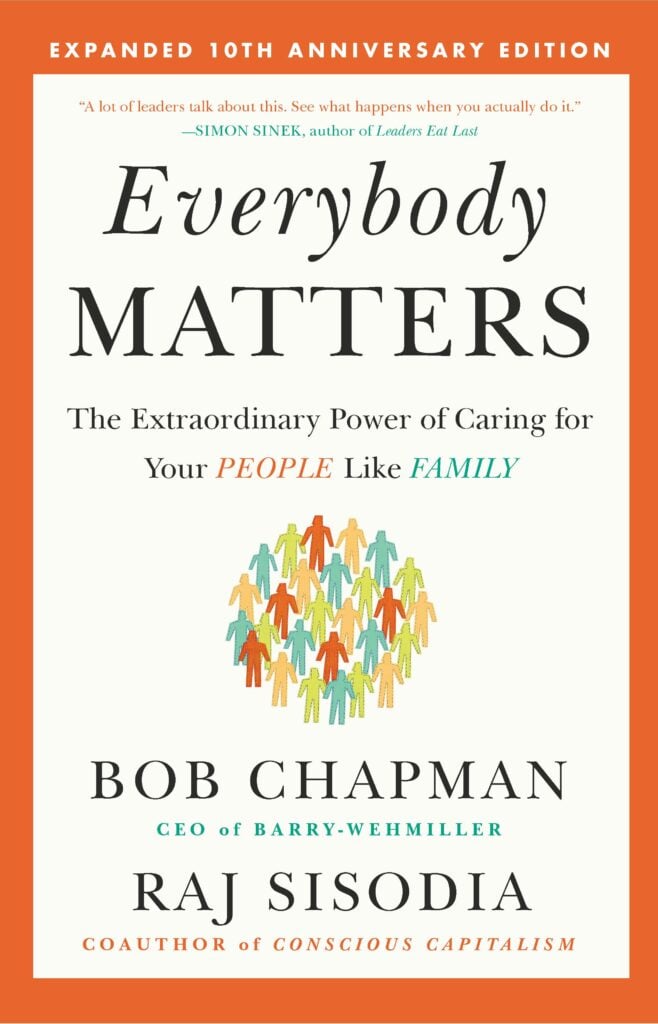
The Test Of Our Culture
Summary
Bob Chapman recounts how Barry-Wehmiller responded to the 2008–2009 Great Recession in a way that tested and ultimately strengthened its people-centred culture. Rather than follow the widespread reflex of layoffs to protect short-term financials, the company implemented a company-wide, voluntary furlough and shared-sacrifice approach so jobs and communities were preserved. The move was grounded in the firm’s Guiding Principles of Leadership and aimed to protect employees, sustain morale and keep capability ready for recovery. The result: the business rebounded quickly, culture and loyalty were reinforced, and the company achieved strong financial performance the following year.
Key Points
- Layoffs became routine in modern business as a tool to improve short-term shareholder returns; Chapman criticises this as treating people as expendable.
- Layoffs carry severe human costs: damaged self-worth, financial hardship and measurable negative health impacts for those laid off and increased sickness among surviving employees.
- Barry-Wehmiller had adopted a people-focused leadership model (Truly Human Leadership) before the crisis, which shaped its response to the downturn.
- Faced with evaporating backlog in 2009, the company rejected mass layoffs and instead designed a shared-sacrifice plan based on furloughs and flexibility.
- The furloughs were implemented quickly, preserved jobs, allowed employees to choose timing, and encouraged employee-to-employee support for those in greater need.
- The strategy reduced fear, raised morale, retained talent and enabled rapid recovery; fiscal 2010 became a record year for earnings.
- Walking the talk during hardship validated the company’s values, strengthened culture and demonstrated that people-centred decisions can align with long-term business success.
Content Summary
The article traces the cultural shift from routine downsizing to a leadership philosophy that places people at the centre of decision-making. Chapman contrasts the prevailing corporate reflex—downsizing to please investors—with the moral and strategic alternative his firm pursued. During the worst economic crisis in decades, Barry-Wehmiller evaluated options and chose shared sacrifice over layoffs: company-wide unpaid leave, flexible timing for employees, and continued investment in training and improvement activities. The approach preserved livelihoods, reduced fear, encouraged altruism among staff, and kept skills in-house. The company recovered ahead of competitors and posted a strong earnings year, illustrating that responsible treatment of people can coexist with, and even support, strong financial outcomes.
Context and Relevance
This piece is important for leaders, HR professionals and board members grappling with cost-cutting during downturns. It challenges the dominant narrative that layoffs are the default corrective tool and offers a tested alternative that preserves human capital and culture. In an era of increasing emphasis on ESG, employee wellbeing and long-term resilience, Chapman’s example connects cultural integrity with business performance. The article sits at the intersection of leadership theory and practical crisis management and is especially relevant where organisations face reputational, retention and capability risks from workforce reductions.
Why should I read this?
Because if you look after people and run a business, this is the real-world case study you want in your pocket. It’s short, practical and shows a better way to get through a crisis without wrecking your team — and it actually helped the business bounce back faster. If you’re about saving time and avoiding the usual soul-sapping corporate playbook, read this now.