
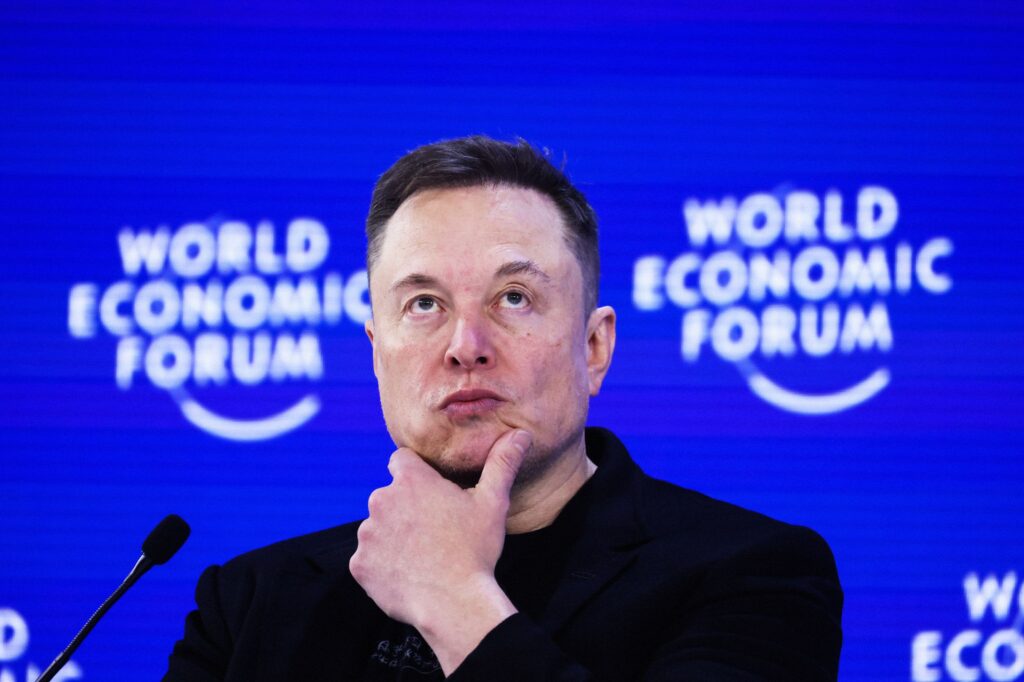
Elon Musk Is Rolling xAI Into SpaceX—Creating the World’s Most Valuable Private Company
Summary
Elon Musk has announced that SpaceX is acquiring his AI company xAI, folding together two of his largest private ventures. Musk says the move is motivated by the vast electricity demands of AI: long term, he argues, training and operating the largest models will require space-based infrastructure with near‑unlimited power and room. The combined business is being valued around $1.25 trillion, which would make it the most valuable private company in the world.
Key Points
- SpaceX will acquire xAI, bringing Musk’s AI and space assets under one roof and signalling a strategic shift toward space‑based AI infrastructure.
- The combined entity is reported to be valued at approximately $1.25 trillion, outstripping previous private valuations for both firms.
- Musk says terrestrial power limits AI growth and that satellites or space‑based data centres are the long‑term scaling solution.
- xAI previously acquired the social platform X (formerly Twitter); xAI’s Grok model is already integrated into X’s features and recommendations.
- SpaceX had been preparing an initial public offering; Bloomberg reports the IPO plans remain on track despite the acquisition.
- Recent financing rounds: SpaceX internally discussed an $800 billion valuation; xAI raised about $20 billion and had a roughly $230 billion valuation prior to the deal.
- The consolidation continues a pattern of Musk combining assets across Tesla, Neuralink, the Boring Company and now xAI and SpaceX, raising questions about market power and national‑security implications.
Content summary
The article outlines the strategic and financial dimensions of the deal: Musk posted a blog saying that powering AI at global scale will soon exceed terrestrial electricity capacity, so moving compute to space makes sense. It summarises valuation figures and prior fundraising, notes xAI’s earlier acquisition of X and integration of the Grok model, and explains how the move reflects Musk’s habit of consolidating businesses to pursue ambitious long‑term visions — from planetary colonisation to advanced AI. The piece also points to potential broader consequences for national security, regulation and the competitive landscape of AI and social media.
Context and relevance
This is a major development at the intersection of AI, space and media. Combining SpaceX’s launch and satellite capabilities with xAI’s models could materially change where and how large‑scale AI is built and run. The move touches on current trends: rising energy use of LLM training, the geopolitical sensitivity of advanced AI systems, and platform consolidation where one owner controls social media, models and the infrastructure that runs them. Regulators, investors and industry participants will watch closely for technological, commercial and policy implications.
Author style
Punchy: this isn’t a routine M&A story — it’s Musk reshaping the stacks (compute, comms, and content) under one umbrella. If you care about who will control next‑generation AI infrastructure — and what that means for competition, security and society — read the detail.
Why should I read this?
Because this explains, in one tidy move, how Elon Musk is trying to own more of the stack: the models (xAI), the platform (X) and the pipes/launch capability (SpaceX). It’s a fast way to understand why future debates about AI power, energy use, regulation and even space policy could centre on a single private empire. We’ve read it so you don’t have to — but you’ll want the specifics if you follow tech policy, investing or AI strategy.
Source
Source: https://www.wired.com/story/spacex-acquires-xai-elon-musk/