
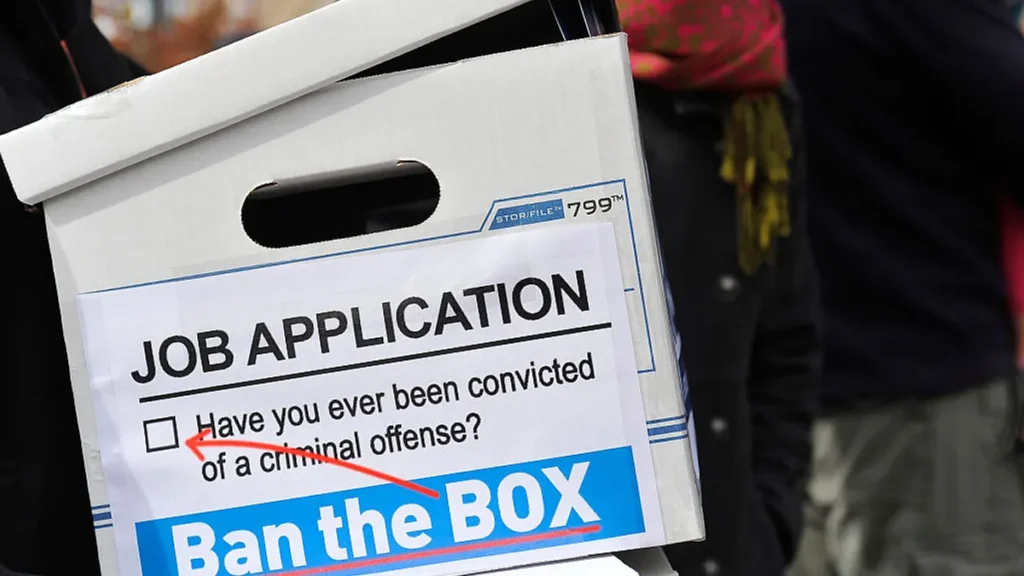
Applicant’s disclosure of armed robbery conviction protected by law, 3rd Circuit says
Summary
The 3rd U.S. Circuit Court of Appeals has ruled that Central Transport may have violated Pennsylvania’s Criminal History Record Information Act (the state’s “ban-the-box” law) when it refused to hire an applicant after he voluntarily disclosed a 15-year-old armed robbery conviction. The applicant told interviewers a background check would show the conviction; the employer then said it would not hire him. The court found the law covers criminal-history information received by an employer regardless of its source, and that Central Transport failed to explain how the conviction related to job suitability or to provide the required written notice of rejection based on criminal history.
Key Points
- The 3rd Circuit held that Pennsylvania’s ban-the-box statute applies when an employer receives criminal-history information, whether from state agencies or the applicant himself.
- Central Transport allegedly rejected the applicant after he disclosed a 15-year-old armed robbery conviction; the applicant had served six years in prison for the offence.
- The law permits employers to consider convictions only to the extent they relate to the applicant’s suitability for the specific job; employers must also provide written notice if rejecting someone for their criminal history.
- The court found Central Transport did not explain how the conviction affected job suitability and did not provide the statutorily required written notice.
- The decision means employers hiring in Pennsylvania must be able to justify how a conviction is relevant to the role and must follow the notice requirements, even when the applicant volunteers the information.
Content summary
The case, Phath v. Central Transport, LLC, involves an applicant who disclosed a 15-year-old armed robbery conviction during the hiring process at Central Transport. The company said it would conduct a background check; when the applicant said the check would reveal the conviction, Central Transport immediately declined to hire him. The applicant sued, alleging violations of Pennsylvania’s Criminal History Record Information Act. The 3rd Circuit ruled the statute applies whenever an employer “receives” criminal-history information and that Central Transport may have breached the law by failing to state how the conviction related to the job and by not issuing written notice of rejection tied to criminal history.
The court rejected the employer’s argument that the law applies only when information is obtained from state agencies, clarifying the statute’s language does not limit the source of criminal-history information. Central Transport had not responded to requests for comment by press time.
Context and relevance
This ruling matters for HR and hiring teams operating in Pennsylvania and potentially informs how courts read similar state statutes: employers cannot sidestep ban-the-box obligations simply because applicants volunteer their criminal history. It reinforces two compliance obligations: (1) employers must assess and document the relevance of convictions to specific roles; and (2) they must provide the written notice required when criminal history is a basis for rejection. The decision arrives amid growing scrutiny of criminal-history use in hiring and reinforces the trend toward stricter procedural safeguards for applicants with records.
Author’s note
Punchy takeaway: if you hire in PA, this isn’t just academic — it changes what your recruiters and managers must do at interviews. Be ready to explain, in writing, why any conviction actually matters for the role, and follow the notice rules to the letter.
Why should I read this?
Short and honest: if your organisation runs background checks or interviews in Pennsylvania, this ruling could cost you time and legal risk if you ignore it. We’ve read the judgement so you don’t have to — it tightens up how “ban-the-box” works in practice and means simple, clear HR steps will save headaches later.