
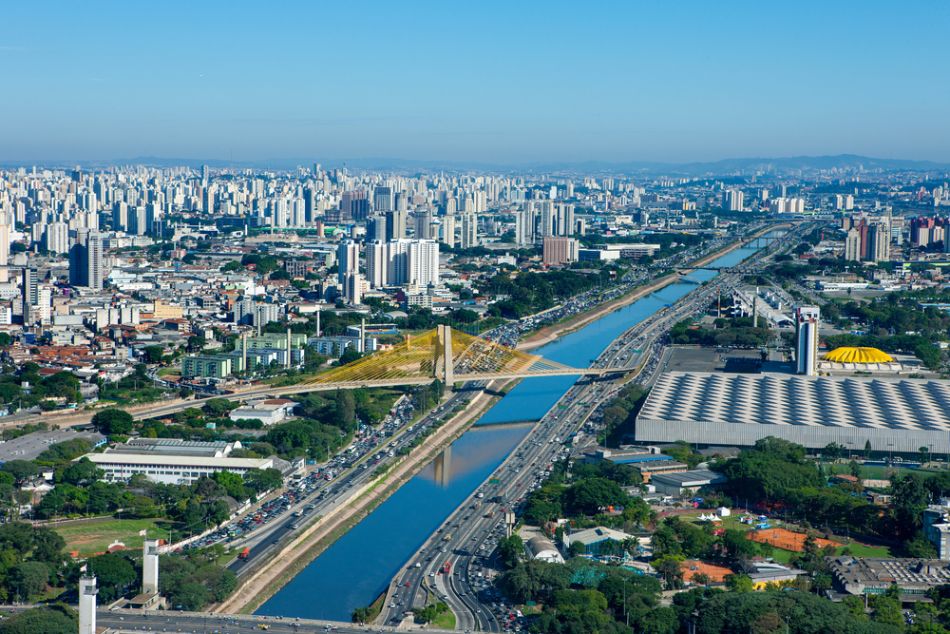
What Megacities São Paulo, Ho Chi Minh City, and Cairo Have in Common
Summary
Viewed strategically, São Paulo, Ho Chi Minh City and Cairo are doing the same thing: becoming national operating systems and regional power platforms for the Global South. Each concentrates population, capital and political influence at a scale that reshapes national trajectories. They act less like cities and more like countries within countries — setting labour markets, consumer habits, media narratives and political moods.
Key Points
- These megacities function as demographic and economic magnets, drawing internal migration and upward mobility.
- They contribute a disproportionate share of national GDP and fiscal capacity — meaning local shocks have national impact.
- Each city is deliberately positioning itself as a platform (financial, logistical, political) to project national power regionally.
- State-backed infrastructure and urban projects are central to their strategies — from transport to new administrative districts.
- Family capital and high-net-worth individuals anchor local investment and political connections.
- Shared pressures — congestion, housing, climate risk — create large, necessity-driven markets for solutions.
- São Paulo’s edge: capital-market depth and corporate gravity.
- Ho Chi Minh City’s edge: velocity — rapid industrialisation and export-driven growth with an ambition to be a financial centre.
- Cairo’s edge: geopolitical and cultural centrality across Africa, the Middle East and the Eastern Mediterranean.
Content summary
The article argues these three cities are converging on a similar strategic role despite different histories and geographies. São Paulo anchors Brazil’s corporate and financial ecosystem; Ho Chi Minh City is Vietnam’s fast-rising economic engine and planned financial gateway; Greater Cairo concentrates economic output and state-led urban transformation that shapes Egypt’s macro trajectory.
All three are intentionally being built as platforms — through policy, investment and large-scale projects — to absorb and redirect national growth. The combination of demographic scale, family-owned capital, and state-led infrastructure makes them pivotal for national stability and regional influence.
At the same time, the cities face shared problems (congestion, housing, environment) that create business opportunities in transport, fintech, climate resilience and distributed energy. The article frames these megacities as the future champions of the Global South — cities that will determine where growth and influence come from next.
Context and relevance
For CEOs, investors and policymakers this piece is a practical lens: understanding these cities is increasingly equivalent to understanding Brazil, Vietnam and Egypt. The concentration of economic power in a handful of urban hubs means market entry, risk assessment and policy engagement must be city‑level strategies. Trends discussed — urban platforms, family capital, state-driven infrastructure — mirror broader shifts in how the Global South generates growth and influence.
Why should I read this?
Because if you want to know where the next big markets, dealmakers and political shifts in the Global South will appear, you should be paying attention to cities, not just countries. This article cuts through the noise and shows why São Paulo, Ho Chi Minh City and Cairo matter — fast. Read it and you’ll save time spotting where to focus strategy, capital and partnerships.
Author style
Punchy. The author frames a clear thesis and keeps the focus on strategic implications for business and policy. If you work on expansion, investment or geopolitics, this piece amplifies why city-led dynamics deserve urgent attention.