
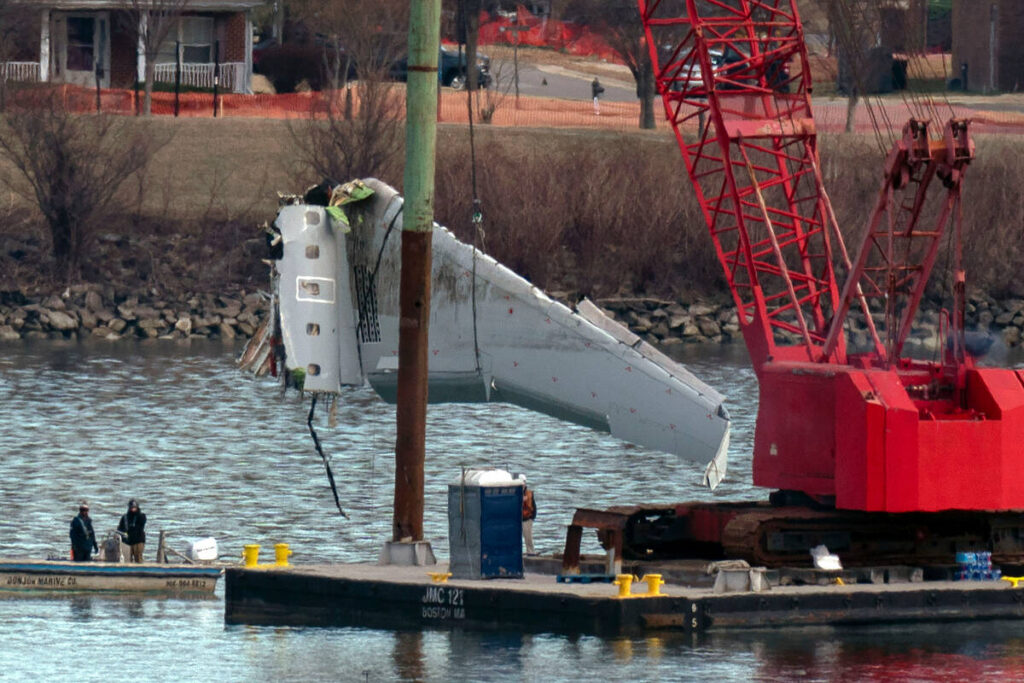
Data shows a spike in military aircraft accidents in 2024. This year doesn’t look any better
Summary
Internal Pentagon figures released to Congress and reviewed by the AP show a sharp increase in the most serious military aviation accidents (Class A) in 2024. The overall rate of severe accidents per 100,000 flight hours rose about 55% compared with four years earlier, with the Marine Corps seeing nearly a threefold jump.
The dataset covers budget years 2020–2023 and the first 10 months of the 2024 budget year (through 31 July). In that period of 2024, 25 service members and DoD civilians were killed and 14 aircraft were destroyed. Several aircraft types — notably the V-22 Osprey, Apache helicopters and C-130 transports — have seen pronounced increases in Class A rates.
The article links the rise to multiple contributing factors: higher operational tempo, risky aircraft types, training interruptions such as COVID-related flying reductions, and accumulated small issues that can degrade safety culture. Lawmakers, including Sen. Elizabeth Warren, are asking for more transparent and extended data and scrutiny of training and maintenance practices.
Key Points
- Class A mishap rate across the US military rose roughly 55% in the 2024 budget year versus four years prior.
- The Marine Corps experienced the largest increase — nearly tripling its severe accident rate over that period.
- In the first 10 months of the 2024 budget year there were 25 fatalities and 14 aircraft destroyed.
- Specific aircraft showing big increases: the V-22 Osprey (long-noted risk), the Apache (≈4.5x increase), and the C-130 (nearly doubled).
- The Navy reported eight Class A aviation mishaps in 2024 and 14 in 2025, signalling continuation of the trend.
- High-profile 2025 incidents include carrier losses of jets, a fatal collision over Washington, D.C., and multiple training crashes.
- Experts point to cumulative causes: increased deployment tempo, complex operating environments, less flight time during COVID, and maintenance/training shortfalls.
- Sen. Warren has requested broader data (2019–2025) including Class B and C mishaps and more detail on training and maintenance.
Context and relevance
The rise in severe military aviation accidents is important for military readiness, policy oversight and public safety. It highlights potential systemic issues across training, maintenance, and operational planning at a time when demand on aircraft and crews is increasing globally. For defence professionals, policymakers and families of service members, the trend signals a need for sharper accountability, better data transparency and potentially new safety or training interventions.
Why should I read this?
Short answer: because this isn’t a one-off mess — it looks like a pattern that could cost lives and readiness if it isn’t fixed. The piece pulls together Pentagon data, expert views and the latest crashes to explain what’s spiking, why it might be happening, and what Congress is now asking for. Fast, relevant and worrying.