
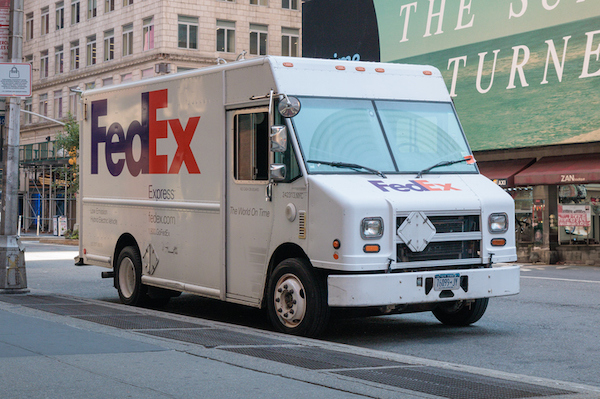
FedEx announces 2026 rate increases
Summary
FedEx has published its 2026 published rate increases, effective 5 January 2026. The company says package standard list rates for U.S., U.S. export and U.S. import services will rise by an average of 5.9%. FedEx Freight (LTL) rates are also increasing — typically around 5.9% with some Mexico and specialised rates up about 6.9%.
Beyond the headline increase, several surcharges (additional handling, residential delivery, oversize, delivery-area, etc.) are rising — in some cases well above the 5.9% general rate increase (GRI). Examples called out include the FedEx Ground minimum charge moving to $11.99 and an 8.4% rise in the Ground/Home Delivery residential surcharge. Analysts warn that surcharges and fuel amplifiers can make actual cost increases much larger for many shippers.
Key Points
- Headline U.S. published rate increase (GRI): average 5.9%, effective 5 January 2026.
- FedEx Freight (LTL) rates rise roughly 5.9% on many zones; some Mexico/Intra‑Mexico rates up ~6.9%.
- Surcharges (oversize, extra handling, residential delivery, delivery-area, etc.) are increasing and can materially exceed the headline GRI.
- FedEx Ground minimum charge increases to $11.99, reducing discounts on very lightweight parcels.
- Residential surcharge for Ground/Home Delivery increases about 8.4%, hitting e-commerce shippers harder.
- Shipware and Loop analysts recommend that shippers review contracts, audit surcharge drivers, explore alternative carriers/regions and consider packaging or routing changes to mitigate costs.
- Actual impact varies by shipper profile — service mix, package dimensions, weight and destination zones determine real cost change.
Content Summary
Memphis‑based FedEx announced a broad set of price changes taking effect 5 January 2026. The publicised average increase is 5.9% across U.S. package list rates and many freight tariffs, but the story is more complex: targeted increases to surcharges, minimums and heavier‑weight bands will push costs higher for specific shipment types.
Industry commentators point out that surcharges now make up a large portion of total landed shipping cost — about one‑third including fuel for many shipments — so increases to those fees can outweigh the advertised average. Practical mitigation steps offered include renegotiating contracts, running competitive bids, re‑packaging to avoid dimensional/oversize fees, shifting volume to cheaper services where possible, using regional carriers and investing in shipping analytics or auditing tools.
Context and Relevance
This announcement comes amid continued cost pressures across logistics — labour, fuel, real‑estate and last‑mile expenses — and follows a period of sustained e‑commerce demand. For shippers, retailers and 3PLs the changes matter because small percentage increases compounded by surcharges can erode margins or force pricing changes for customers. The move also reflects a broader carrier strategy to lift yield in a competitive but capacity‑constrained parcel market.
Why should I read this?
Because if you send parcels or pallets, your costs are very likely going up — and not just by the advertised 5.9%. This short read tells you where the pain will hit (residential fees, minimums, oversize) and gives quick actions you can take now: audit your profile, test the market, and rethink packaging and routing. Save yourself a nasty surprise on your January invoices.
Author view
Punchy take: This isn’t a routine tweak — it’s a reminder that major carriers are still squeezing yield via surcharges and minimums. If your business depends on predictable parcel spend, treat this as a trigger to act now rather than later.
Source
Source: https://www.logisticsmgmt.com/article/fedex_announces_2026_rate_increases