
Motive in Kirk shooting uncertain; Cox says supect was on ‘deep, dark internet’
Summary
Tyler Robinson, 22, has been accused of fatally shooting conservative activist Charlie Kirk at Utah Valley University while Kirk was on a college speaking tour. Utah Gov. Spencer Cox told NBC’s Meet the Press that family and friends described Robinson’s politics as having shifted left and that he spent a lot of time in “deep, dark” corners of the internet where he may have been radicalised.
Investigators have not confirmed a motive. Authorities note Robinson is not cooperating and they are still piecing together evidence; one bullet casing carried an inscription with anti-fascist and meme-language, including the phrase “Hey, fascist! Catch!” Cox also mentioned the suspect’s romantic partner is transgender, a detail politicians have speculated about but officials have not confirmed as relevant to motive.
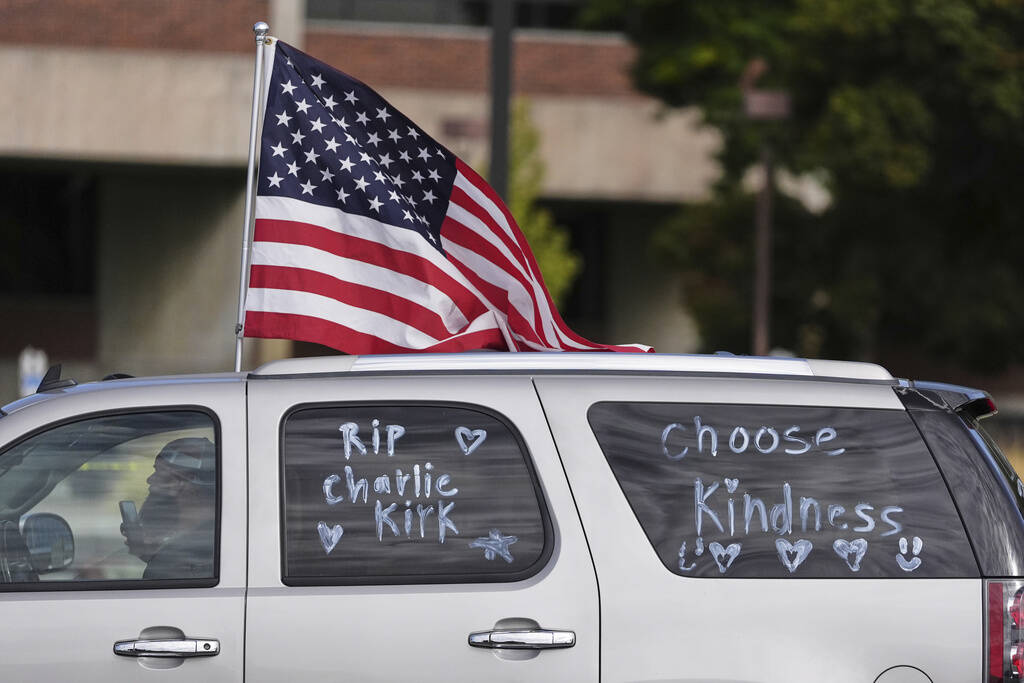
Robinson grew up near St. George, Utah, showed strong early academic achievement and briefly attended Utah State University. He is now in an electrical apprenticeship. Kirk has been memorialised at vigils and conservative events, and the killing has fuelled discussion about political violence, online radicalisation and rhetoric across the political spectrum.
Key Points
- Charlie Kirk, conservative activist and Turning Point USA founder, was shot dead at Utah Valley University; suspect is Tyler Robinson, 22.
- Gov. Spencer Cox said Robinson’s views reportedly “veered left” and that he spent time in “deep, dark” online communities that may have radicalised him.
- Investigators have not established a clear motive; the suspect is not cooperating with law enforcement.
- One bullet casing contained anti-fascist and meme-culture language; authorities are examining whether online content played a role.
- Robinson’s partner is transgender; officials have not confirmed whether that relationship is connected to the attack.
- The case has prompted vigils and intensified national debate over political rhetoric, online radicalisation and safety at public events.
Why should I read this?
Because this isn’t just another crime story — it’s about a high-profile political killing that touches on online radicalisation, polarised rhetoric and campus safety. If you follow politics, social media trends or public-safety issues, this piece gives the key facts so you don’t have to sift through speculation.
Author’s take
Punchy and simple: motive is unclear, online radicalisation is suspected, and the fallout will matter politically and culturally. Keep an eye on court proceedings and official updates — they’ll tell us whether this was targeted, ideological or something more complicated.