
Summary
Golden Entertainment is set to go private after the Nevada Gaming Control Board approved the transaction; the Nevada Gaming Commission will consider the move on 23 April. Shareholders already approved the deal, which pays $30 a share (up from about $20 prior to the announcement) and is expected to close in Q2.
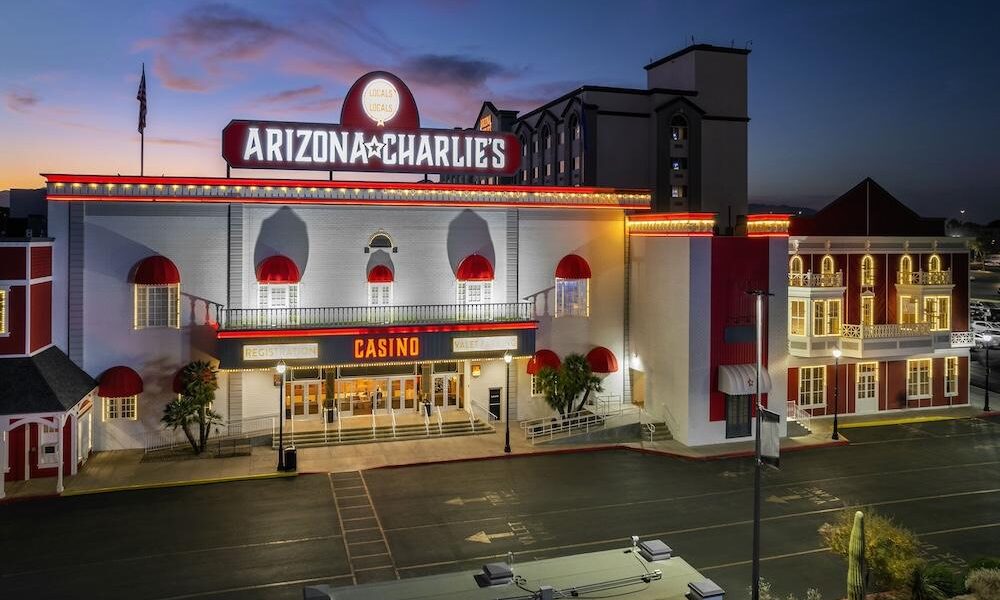
The company is selling its operating assets to Sartini and affiliates, while seven Nevada casino real-estate assets will be sold to VICI Properties in a sale-leaseback. Properties involved include The STRAT Hotel, Casino & Tower, Arizona Charlie’s Decatur and Boulder, Aquarius and Edgewater in Laughlin, and the Nugget and Lakeside in Pahrump. Golden will retain the Gold Town Casino real estate and continue to operate 72 gaming taverns across Nevada; taverns are excluded from the VICI deal.
Executives told regulators the move was driven by a lagging public-market valuation, limited organic growth opportunities and the costs and short-term pressures of being a public company. Management expects minimal personnel changes and says being private will let the company take a longer-term view. The lease with VICI runs 30 years with four five-year renewal options; rent will be allocated proportionally by revenue and profitability. Regulators flagged concerns about concentration of real-estate ownership under VICI.
Key Points
- Regulators approved Golden Entertainment’s plan to go private; Nevada Gaming Commission will hear the case on 23 April.
- Shareholders approved the deal: $30 per share, closing expected in Q2 (prior trading around $20).
- Operating assets sold to Sartini and affiliates; seven casino properties sold to VICI in a sale-leaseback while Golden keeps one real-estate asset and 72 taverns.
- Properties in the VICI lease include The STRAT, two Arizona Charlie’s locations, Aquarius, Edgewater, the Nugget and Lakeside.
- VICI lease is 30 years with four five-year renewal options; rent is tied to revenue and profitability across properties.
- Management cites undervaluation, limited growth opportunities and public-company costs as reasons to go private.
- Golden will retire transaction debt to reduce interest expenses and improve cash flow; most public-company roles will be eliminated.
- Regulator concern: potential market concentration for VICI and future rent increases could put the operator at risk.
- Golden employs ~5,000 people and expects day-to-day operations to continue largely unchanged.
Why should I read this
Short and blunt: if you follow Nevada gaming, casino REIT deals or local-market operations, this changes who owns the buildings and who calls the financial shots. It’s a move that affects landlords, operators and potentially rents — and that matters for competition and investment in Vegas’ mid-market. We’ve done the reading so you don’t have to — this is the gist.
Source
Source: https://cdcgaming.com/nevada-regulators-approve-golden-entertainment-going-private/