
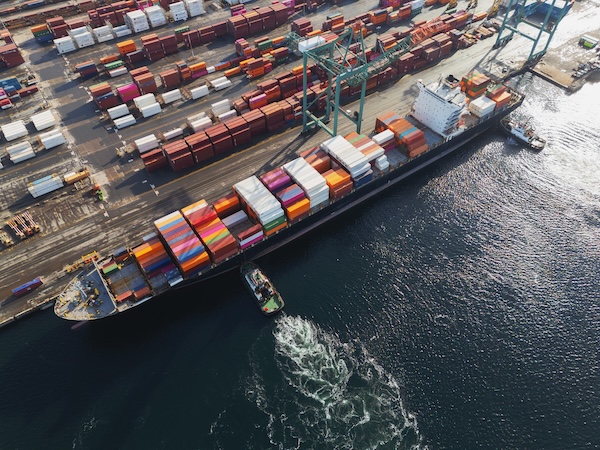
U.S. seaport activity stabilizes at elevated levels, states new report from Colliers
Summary
Colliers’ “2026 U.S. Seaports Outlook” finds that U.S. seaport activity has moved from pandemic-era volatility to a more normal trade environment, but at historically elevated volumes. In 2025 total container throughput stabilised at higher baselines, with growth concentrated regionally and tempered by trade policy shifts, inventory recalibration and geopolitical uncertainty.
Colliers highlights stronger baseline consumer demand, supply-chain normalisation, uptake of multi-port strategies and infrastructure investments (berth expansions, channel deepening, on-dock rail and terminal modernisation) as drivers supporting port-adjacent industrial demand. East and Gulf Coast gateways have gained share and are expected to hold or gradually increase it, supported by proximity to population growth and inland distribution networks. Vacancy pressures from new supply are easing as construction slows.
Key Points
- U.S. port volumes stabilised in 2025 at historically elevated levels after pandemic volatility.
- Growth is regionally concentrated — East and Gulf Coast gateways continue to gain share versus West Coast.
- Drivers: normalised supply chains, steady consumer demand, diversified sourcing and front-loading/import timing changes.
- Ports are making aggressive infrastructure investments: berth capacity, channel deepening, on-dock rail and terminal upgrades.
- Industrial development near ports benefits from improved throughput, reduced dwell times and stronger tenant pools (3PLs, retailers, manufacturers).
- Industrial construction activity has declined to its lowest national level since 2017, helping vacancy rates to stabilise.
- Geopolitical risks (for example the Iran conflict and Strait of Hormuz disruptions) could cause short-term volatility, but long-term fundamentals remain supportive for port-adjacent real estate.
Context and relevance
The report matters to logistics professionals, investors and occupiers because it ties container flows to industrial real estate fundamentals. As ports invest to handle larger ships and improve rail connectivity, demand for nearby distribution and intermodal space is likely to deepen — influencing site selection, capex priorities and rental growth expectations across major gateway regions.
Author’s take (punchy)
Colliers’ findings are not just data — they’re a roadmap. If you own, lease or move goods through ports, this signals where capacity, costs and demand will cluster. Infrastructure upgrades + Sunbelt population growth = sustained interest in port-proximate logistics assets. Worth factoring into your next site or investment decision.
Why should I read this?
Short and blunt: if your job touches shipping, warehousing, 3PLs or property investment, this saves you time. It summarises where container flows have settled, which coasts are winning market share, and why ports’ upgrades will ripple through supply chains and rents. Skip the full report only if you never plan to touch a shipping manifest or a warehouse lease.