
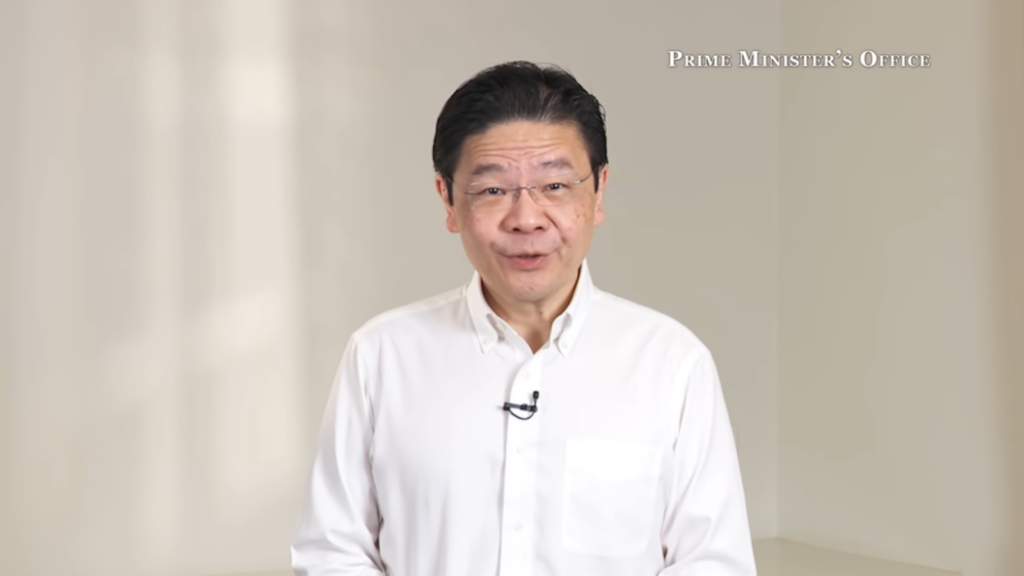
PM Wong outlines 3 ways Singapore is responding to global energy disruptions
Summary
Prime Minister Lawrence Wong set out a three‑pronged national response to the worsening Middle East conflict and its effect on global energy supplies. He announced the creation of a Homefront Crisis Ministerial Committee to update contingency plans, measures to strengthen energy and supply‑chain resilience, targeted financial relief for households and businesses, and a call for national unity as prices and supply routes remain under strain.
Key Points
- New Homefront Crisis Ministerial Committee chaired by Coordinating Minister for National Security K Shanmugam, with DPM Gan Kim Yong as adviser, to coordinate contingency planning.
- Energy and supply‑chain resilience: refineries and chemical firms are scaling back production and sourcing crude and feedstock beyond the Middle East; LNG importers are seeking alternative suppliers.
- Deepening cooperation with trusted partners such as Australia and New Zealand to keep essential goods and food supply lines open.
- Immediate cushioning for households and businesses: Budget measures are being rolled out earlier or enhanced, including additional U‑Save rebates to offset higher electricity costs and targeted support for severely affected sectors.
- Practical calls to action: PM Wong urged households and businesses to conserve energy, reduce unnecessary consumption and improve energy efficiency.
- Major disruptions to key routes (Strait of Hormuz) have cut flows of oil, LNG and other commodities; oil prices have risen by over 60% since the war began.
- Warning of lasting risks: damaged infrastructure and prolonged route closures could keep prices elevated for months and raise the spectre of stagflation.
Content summary
Wong spoke in a video message on 2 April 2026, warning Singaporeans that the global situation is highly uncertain and may cause prolonged energy shortages and price shocks. The government has convened a crisis committee to review and expand contingency plans. Short‑term moves include sourcing fuel beyond the Middle East and securing LNG from other producers, while longer‑term efforts focus on diversifying supply partners and protecting supply chains for essentials.
To blunt the immediate impact, the Government will accelerate and enhance support measures announced in this year’s Budget: U‑Save rebates are being increased and will reach about 1 million households, and sector‑specific relief will be provided where needed. Ministers will give more details in Parliament soon. Wong also emphasised the need for individual and corporate action on energy conservation.
The PM highlighted the strategic risks from disruptions to the Strait of Hormuz and other shipping lanes, noting a sharp reduction in exports of oil, LNG, fertilisers and helium — with knock‑on risks to food production and industrial inputs. He warned that even a ceasefire would not immediately restore capacity, and the world could face stagflation if supply lines remain constrained.
Context and relevance
This announcement matters to businesses, HR leaders and households in Singapore because sustained higher energy costs and supply disruptions will affect operating costs, staffing decisions and benefits budgeting. Employers should be planning for higher transport and production costs, potential supply delays, and expectations for energy efficiency measures. HR teams may need to advise on flexible arrangements, cost‑management measures and support for impacted employees.
Why should I read this?
Quick heads‑up: PM Wong’s message sets out what the Government will do and what it expects from you. If you run a business, manage people, or pay household bills in Singapore, this affects your costs and contingency plans — so it’s worth a few minutes to see what’s coming and what you should start doing now (think energy savings, risk checks and budget tweaks).
Author style
Punchy: This is a high‑stakes update. The measures are practical and immediate, but the warning is serious — the fallout could be long‑lasting. If you want to avoid being blindsided, read the full details and act early.