
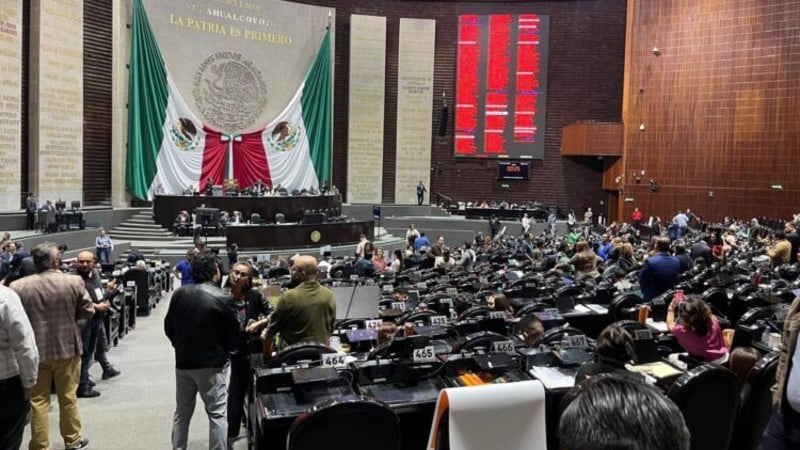
Mexico: Bill advances to punish match-fixing and betting fraud with prison sentences
Summary
Mexico’s Chamber of Deputies has started the legislative process for a proposal that would criminalise match-fixing and betting-related fraud, with prison terms of between four and 10 years. The initiative, presented by PAN deputy Marcelo Torres Cofiño, seeks to add a new chapter to the Federal Penal Code to protect the integrity of professional sport. It also proposes fines, disqualification from sports institutions and increased penalties where club owners, executives or major tournaments are involved.
Key Points
- The bill proposes a new chapter in the Federal Penal Code focused on protecting the integrity of professional sports.
- Prison sentences of four to 10 years would apply to those who manipulate match results, statistics or the course of a game for economic gain.
- Uses of insider information to bet, bribery of players, referees or executives, and using clubs to launder illegal betting proceeds would be punishable offences.
- Penalties would be aggravated if team owners or executives are implicated, or if fraud occurs in major tournaments or through licensed betting operators.
- The initiative was sent to the Justice Commission and is part of a wider reform package tabled in February by deputy Marcelo Torres Cofiño (PAN).
Why should I read this?
Quick and simple: this could mean jail time for people who fix matches or use inside info to bet. If you work in sport, betting, compliance or run a club, this changes the risk picture fast — tune in now so you aren’t caught off guard.
Author style
Punchy: This isn’t window dressing. The draft aims to send a clear message that financial manipulation of sport will face serious criminal consequences. For industry insiders, regulators and clubs, the details matter — read the bill and prepare.
Context and relevance
The proposal follows a global trend towards tougher enforcement against match-fixing and betting fraud as jurisdictions look to protect sporting integrity and public trust. If passed, Mexico’s measures would heighten compliance obligations for operators and clubs, increase investigative collaboration expectations, and raise reputational and legal risk for owners and executives with betting ties.