
Preparing the Next Generation of Aerospace Engineers
Summary
This is an interview with Jay Bhaumik, Chairman of Genesis Engineering Solutions, on the widening gap between academic engineering education and the real demands of modern aerospace. Bhaumik argues that strong technical fundamentals are necessary but not sufficient: successful engineers must also master systems thinking, cross-disciplinary collaboration, professional judgement and continuous learning. He urges industry to take responsibility by offering hands-on internships, exposing students to certification and manufacturing realities, and providing mentorship and clear career pathways so engineers are prepared to build safe, certifiable, scalable systems.
Key Points
- The “skills gap” is more than missing coursework — it’s about navigating ambiguity, integrating software, data and materials, and working across domains.
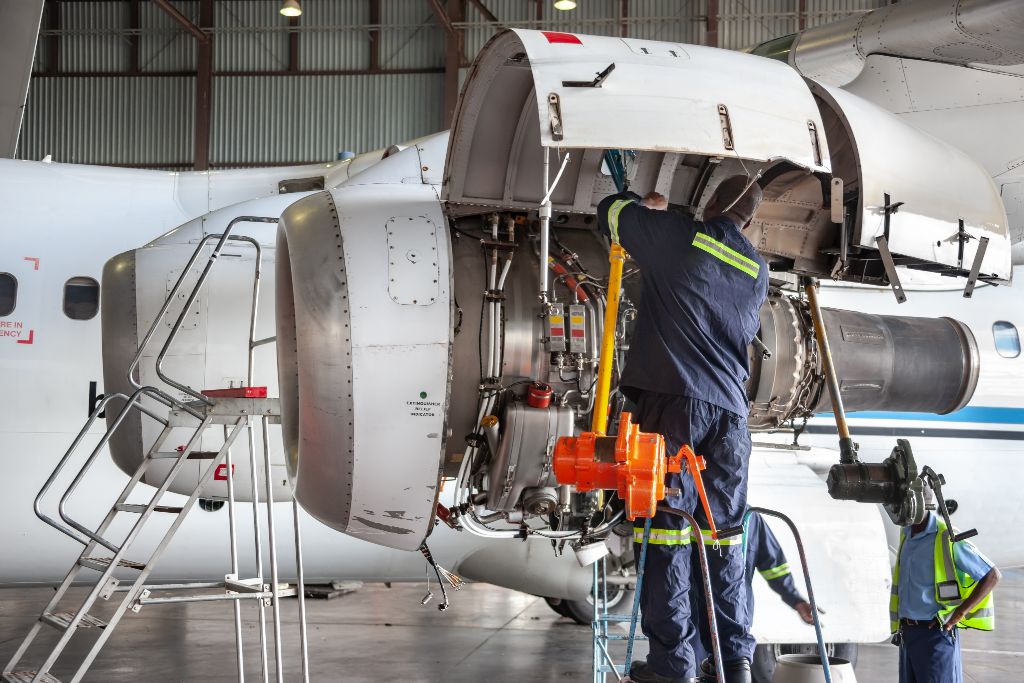
- Industry should increase practical exposure: internships, failure analysis, maintenance data and certification process familiarity are crucial.
- Systems thinking and cross-disciplinary communication produce better, longer-lasting engineering outcomes than siloed optimisation.
- Professional judgement, ethics and safety culture develop through mentorship and on-the-job pressure, not lectures alone.
- Companies must pair innovation with business pragmatism: designs must be manufacturable, certifiable and maintainable at viable cost.
- Adaptability — the ability to learn new tools and evaluate emerging technologies — is more valuable than mastery of any single current tool.
Context and Relevance
The aerospace sector is evolving rapidly with AI-assisted design, digital twins and advanced materials raising the competence bar. For HR leaders, engineering managers and CEOs this interview highlights the practical steps needed to build a workforce that can deliver technologically advanced systems while meeting safety and regulatory demands. It links education, industry practice and long-term talent retention to broader industry resilience and competitiveness.
Why should I read this?
Quick and frank: if you want engineers who can actually get aerospace projects built, certified and kept flying, read this. Jay cuts through the calculus debate and tells you what actually moves the needle — internships, mentorship, real-world exposure and career paths. It’s short, practical and directly useful.
Author style
Punchy: the interview is direct, no-nonsense and geared to leaders who need to make concrete changes now. If this matters to your business, the detail is worth your time.
Source
Source: https://ceoworld.biz/2026/04/02/preparing-the-next-generation-of-aerospace-engineers/