
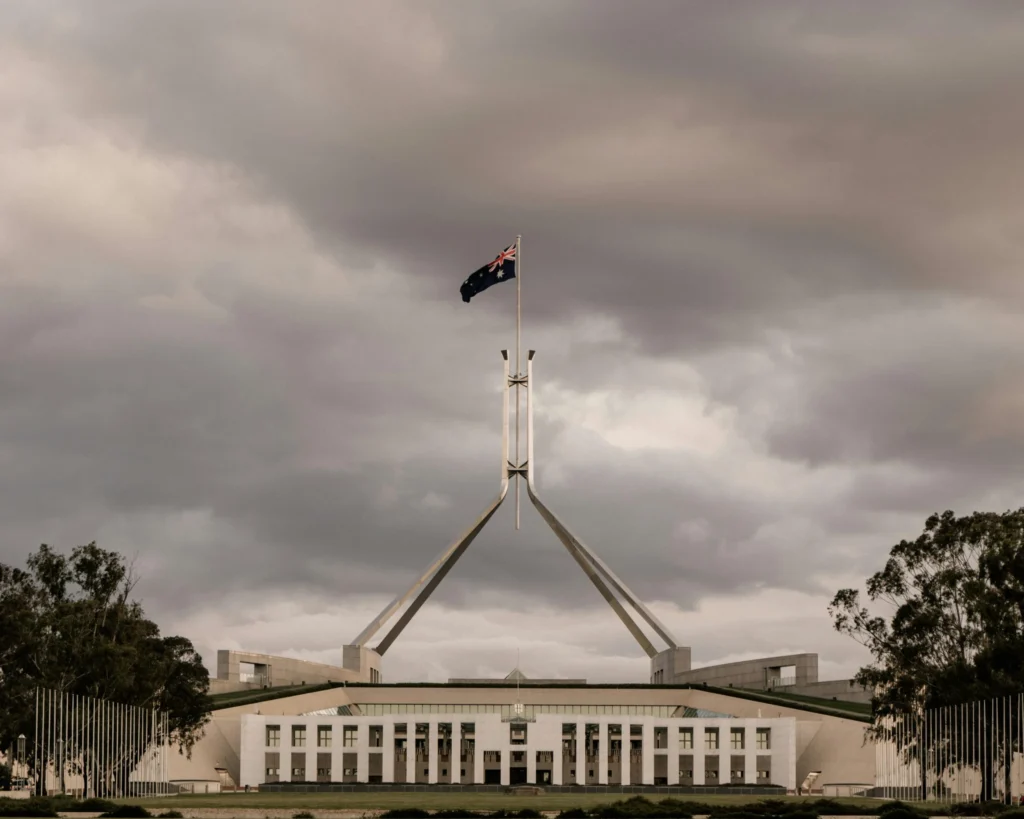
Australian government unveils landmark gambling reforms, three years after Murphy Report
Summary
Australia’s federal government has announced a wide-ranging package of gambling reforms aimed at reducing harm to children and vulnerable Australians. Launched by Prime Minister Anthony Albanese with Ministers Tanya Plibersek and Anika Wells, the measures introduce advertising caps and watersheds, tighter digital ad controls, bans on celebrity and player endorsements, an end to venue and uniform advertising, and new curbs on online lottery products. The package also strengthens BetStop (the national self-exclusion register), expands financial counselling, criminalises match-fixing nationally, and signals tougher enforcement against illegal offshore operators. The reforms take effect from 1 January 2027 and enabling legislation is due to be introduced to parliament in May.
Key Points
- Television gambling ads will be limited to a maximum of three per hour between 6.00am and 8.30pm and banned during live sport in that window.
- Radio advertising will be prohibited during school drop-off and pick-up times (8.00am–9.00am and 3.00pm–4.00pm).
- Digital gambling ads will be banned unless users are logged in, verified as 18+, and given an opt-out option.
- Celebrities and sports players will be barred from appearing in gambling advertisements; advertising inside sports venues and on player/official uniforms will be prohibited.
- Odds-style advertising directed at sports fans will be outlawed; online ‘pocket pokies’ such as keno will be banned.
- Match-fixing will be criminalised under harmonised laws across all Australian states, and enforcement against offshore operators will be strengthened.
- BetStop will be bolstered following its statutory review, and financial counselling services for gambling harm will be increased.
- Industry bodies, including Responsible Wagering Australia, have criticised the reforms as sudden and potentially ‘draconian’; sporting organisations warn of revenue impacts.
Why should I read this?
Short version: if you work in gambling, sport, broadcasting, advertising or legal compliance — this changes a lot. Sponsorships, ad buys and digital campaigns will need rethinking, and many operators will have to alter marketing and product offerings. It’s the kind of policy shift that will ripple through media deals and sports finances, so it’s worth a quick read to know what to plan for.
Context and Relevance
The reforms close out nearly three years of debate following the 2023 Murphy proposals (often called ‘Murphy’s Law’), which originally recommended far-reaching curbs on gambling advertising. Ministers delayed decisions amid consultation and political pressure, with some groups arguing for a blanket ad ban. The government has taken a middle path: not an outright ban but comprehensive restrictions intended to protect children and reduce social harms linked to problem wagering — including links to family and domestic violence highlighted by Ministers.
For industry stakeholders, the package represents both regulatory risk and operational challenge: broadcasters and sporting bodies face lost ad revenue and sponsorship changes; operators must adapt digital targeting and promotional strategies; regulators must amend broadcasting/advertising codes and coordinate state criminal law changes. Legal challenges are likely given the legislative complexity and industry pushback. The measures also reflect a broader international trend of tighter advertising controls where gambling and youth exposure intersect.