
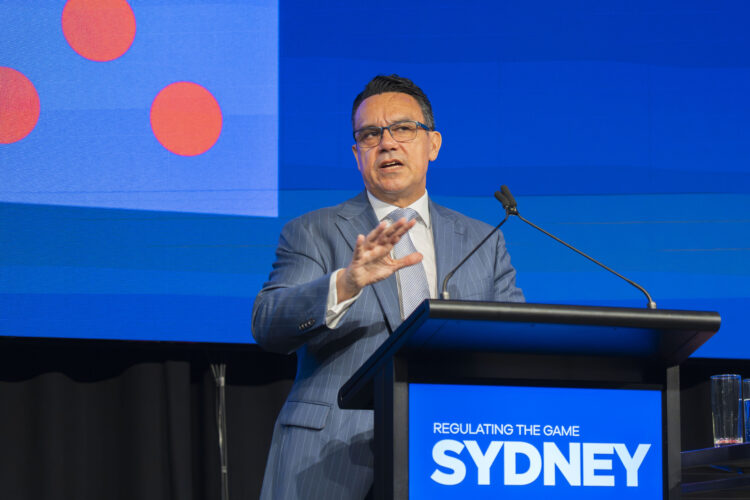
Australia’s new AML framework kicks in today, placing greater responsibility on gambling sector
Summary
Sweeping reforms to Australia’s anti‑money laundering and counter‑terrorism financing (AML/CTF) framework take effect today. The expanded rules — set out by AUSTRAC and first revealed in 2024 — impose tighter obligations on more than 100,000 businesses deemed at risk, notably casinos, pubs and clubs with poker machines, bookmakers and other cash‑intensive operators.
Key elements include strengthened risk assessment requirements (before onboarding and ongoing), stricter customer due diligence (CDD), verification of beneficial ownership, transaction monitoring, enhanced handling of international transfers, mandatory appointment of compliance officers and greater accountability for senior management. AUSTRAC has signalled a pragmatic, risk‑focused supervisory approach but warned regulatory action will follow where risks remain unmanaged.
Key Points
- New AML/CTF rules commence, expanding obligations across banks, gambling venues, real estate, precious metals dealers and professional services.
- Businesses must perform robust ML/TF risk assessments prior to onboarding and on an ongoing basis.
- Stricter CDD: verify customer identities and beneficial owners; monitor transactions and escalate suspicious activity.
- Senior management now has clearer accountability; dedicated compliance officers are expected.
- AUSTRAC highlighted common failings: bill stuffing, large cash deposits with minimal play, multiple accounts, third‑party transactions and synthetic identities.
- AUSTRAC’s stance: preparation is expected (not perfection), sustained effort and leadership required; proportionate enforcement where firms show genuine progress.
Content summary
The reforms aim to reduce financial crime estimated to cost Australia around AU$82 billion a year. AUSTRAC CEO Brendan Thomas warned that weaknesses in some operators’ AML programs have repeatedly been exploited by criminals — especially in cash‑heavy environments where techniques like bill stuffing and structuring obscure the true ownership of funds. The new framework clarifies expectations on risk identification, verification, monitoring, reporting and enhanced due diligence for high‑risk customers, and places a heavier compliance burden on the gambling sector and other high‑risk industries.
Context and relevance
This is a major regulatory shift for the gambling industry and other cash‑intensive businesses in Australia. Operators, compliance teams, third‑party service providers and vendors supplying AML tools need to review and likely upgrade systems, staff training and governance to meet the new standards. The move aligns Australia with international tightening of AML regimes and reflects growing regulatory intolerance for systemic failures that enable organised criminal activity.
Why should I read this?
Quick and blunt: if you run, manage or supply venues, betting services or anything that handles lots of cash or customer funds in Australia — this affects you. It’s not just paperwork: senior people must step up, systems will be tested and AUSTRAC isn’t promising to be soft where risks are ignored. Read this so you know what to fix first.