
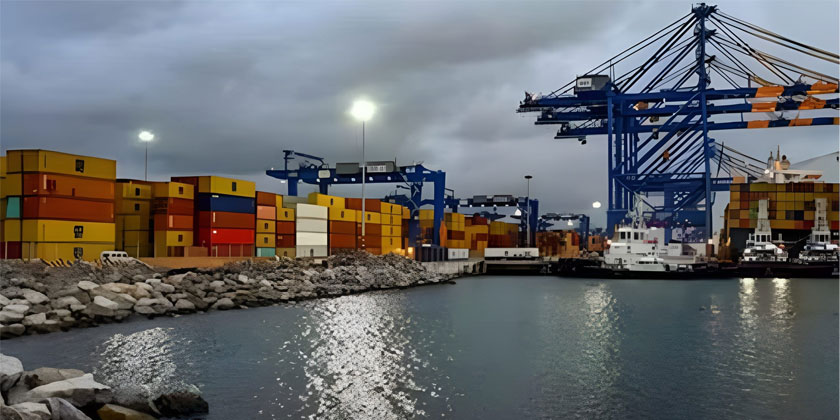
Sonowal Launches ₹1,500 Crore Green and Infra Push at VOC Port
Summary
Sarbananda Sonowal, Union Minister for Ports, Shipping and Waterways, inaugurated and laid foundation stones for projects totalling over ₹1,500 crore at V.O. Chidambaranar (VOC) Port, Tamil Nadu. Completed works worth about ₹160 crore focus on faster cargo evacuation (improved rail and road links), upgraded power systems that integrate solar, wind and battery storage, enhanced safety infrastructure, a new digital platform with digital twin capabilities, and the VOC Maritime Heritage Museum.
Foundation stones were laid for roughly ₹1,340 crore of new investments: an 8 MW wind farm with 5 MW storage, a 2 MW green hydrogen facility, a 2 MW ground-mounted solar plant, smart energy management systems, ₹131 crore for rail infrastructure, ₹250 crore for shipbuilding equipment and ₹367 crore for green tugs. The package aims to cut vessel turnaround times, lower logistics costs and strengthen VOC Port as a regional transshipment and shipbuilding hub, supporting industrial growth in Thoothukudi, Tirunelveli and Madurai.
Key Points
- Over ₹1,500 crore in green and infrastructure projects announced and advanced at VOC Port.
- ₹160 crore of completed upgrades: better rail/road evacuation, hybrid renewable power + storage, safety improvements and a digital twin platform.
- ₹1,340 crore of new projects include 8 MW wind (with 5 MW storage), 2 MW green hydrogen, 2 MW solar, energy management, significant rail spending, shipbuilding kit and green tugs.
- Primary goals are reduced vessel turnaround, lower logistics costs and increased port competitiveness for transshipment and shipbuilding.
- Expected regional benefits: industrial stimulus across Thoothukudi, Tirunelveli and Madurai; alignment with the government’s maritime roadmap and decarbonisation trends.
Context and Relevance
The package is a clear example of ports combining operational upgrades with decarbonisation — renewables, storage and green hydrogen alongside digitalisation. Reducing turnaround time and improving hinterland links addresses two persistent cost drivers in Indian EXIM logistics. The shipbuilding and tug investments also signal a move to broaden the port’s economic base beyond cargo handling, while the digital twin points to growing adoption of advanced port management tools.
Why should I read this?
Short answer: because it’s where real money meets real kit. If you follow Indian ports, logistics costs or maritime decarbonisation, this story tells you what VOC will look like next — faster ship handling, cleaner power, and fresh industry pull for the region. We’ve skimmed the details so you don’t have to — here’s the useful bit in one place.