
HR updates from Singapore Budget 2026: EP and S Pass salary hikes on the horizon
Summary
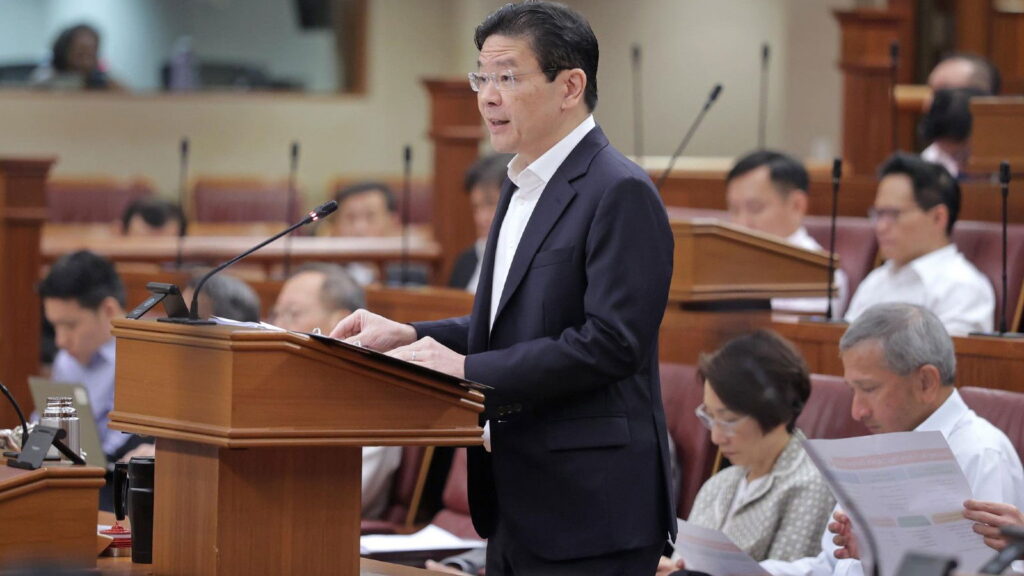
On 12 February 2026 Prime Minister Lawrence Wong announced Budget measures that affect HR and manpower planning. Key changes include higher salary thresholds for Employment Pass (EP) and S Pass holders from 2027, an uplift to the Local Qualifying Salary, extensions and enhancements to wage-support schemes, and a merger of SkillsFuture Singapore and Workforce Singapore into a single statutory board to streamline training and job matching.
Key Points
- Local Qualifying Salary (LQS) raised from $1,600 to $1,800.
- Employment Pass minimum qualifying salary increases from $5,600 to $6,000; financial services sector rises from $6,200 to $6,600 (effective Jan 2027).
- S Pass qualifying salary increases from $3,300 to $3,600; financial services from $3,800 to $4,000 (effective Jan 2027).
- Progressive Wage Credit Scheme (PWCS) extended to 2028; government co‑funding rises from 20% to 30% for this year; qualifying minimum wage increase raised from $100 to $200 from next year; basic tier and hourly training allowance enhanced.
- SkillsFuture Singapore (SSG) and Workforce Singapore (WSG) to merge into a new statutory board overseen by MOE and MOM for integrated skills training, career guidance and job matching.
- Revised qualifying salaries for older EP/S Pass applicants will take effect from 2028 to give businesses time to adjust.
- Overall aim: strengthen support for lower‑wage workers, boost upskilling and ensure foreign workforce policy reflects evolving needs.
Context and relevance
Author style — Punchy: This is a big one for anyone touching payroll, hiring or workforce strategy in Singapore. The rises aren’t trivial: they tighten the rules around foreign hiring and push employers to invest more in local wages and skills. The SSG/WSG merger is a structural change that should simplify access to training and hiring support.
For HR leaders, these measures signal higher wage floors from 2027, more generous short‑term support for wage increases, and a clearer, more integrated skills ecosystem. Expect to revisit budgets, pay bands, hiring plans and upskilling strategies — and give older foreign talent a bit more runway to meet revised criteria in 2028.
Why should I read this?
Quick and dirty: if you hire or manage people in Singapore, this will affect your bottom line and recruitment. Salary thresholds for EP/S Pass are going up, wage support rules are changing, and training agencies are being merged — so yes, you should care. We’ve done the reading so you don’t have to.