
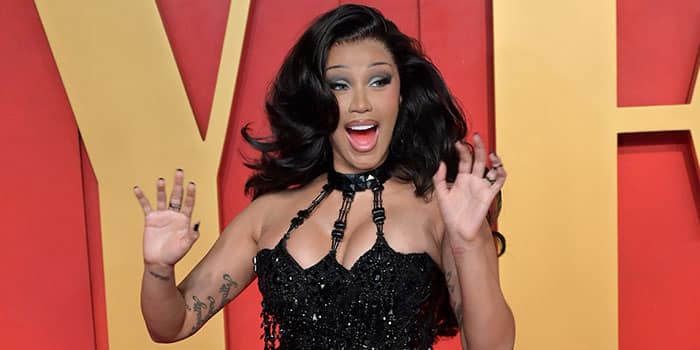
Kalshi’s Ambiguity About Cardi B’s Super Bowl Performance Leads to CFTC Letter
Summary
Kalshi faced a formal complaint to the US Commodity Futures Trading Commission after settling a high‑volume market about whether Cardi B “performed” during the Super Bowl halftime show. Bettors had wagered heavily — $4.4m on the Cardi B performance market and more than $100m on related halftime-show markets — and disputed Kalshi’s decision to freeze the market and settle it at a weighted price rather than a clear yes/no outcome.
Kalshi’s rulebook requires three conditions for an appearance to count as a performance: the person must be onstage, actually perform (sing, dance, DJ, etc.) and be a scheduled or guest performer. The rules also state that “dancing or appearing on stage without singing/playing instruments” does not count. Kalshi’s spokesperson, Elisabeth Diana, said it was unclear whether Cardi B was actually singing — she may have been mouthing words — and the platform opted for a frozen/weighted settlement. The dispute arrives amid huge trading volumes (Kalshi said it processed $1.2bn in Super Bowl trades) and increasing regulatory scrutiny in some US states, including a recent Massachusetts order requiring Kalshi to restrict offerings pending compliance with state gambling laws.
Key Points
- Bettors placed $4.4m on whether Cardi B would “perform”; many complained after Kalshi’s settlement decision.
- Kalshi’s rules define a performance with three conditions but also exclude “dancing or appearing on stage without singing/playing instruments.”
- A Kalshi spokesperson said it was unclear if Cardi B actually sang — she appeared to be mouthing words — so the market was frozen and settled at a weighted price.
- Kalshi reported more than $1.2bn in trades over the Super Bowl period, with over $100m on a halftime-show opening song market.
- The unsettled market led to a formal complaint to the CFTC, increasing regulatory attention on prediction markets as several US jurisdictions consider restrictions on Kalshi.
Why should I read this?
Short answer: because this is a textbook example of how vague rules and ambiguous outcomes can blow up into regulatory headaches — and cost people real money. If you bet on or operate prediction markets, the fallout here shows why crystal‑clear contract terms matter and why regulators will pounce when big sums are involved.
Context and Relevance
The story sits at the intersection of prediction‑market product design, consumer protection and regulation. Kalshi’s large Super Bowl volumes have made these markets visible — and controversial — to regulators and state authorities. The CFTC complaint highlights the legal risks that arise when rule definitions conflict with public perception of an event’s outcome. For industry operators, the case underlines the need for unambiguous event definitions and robust settlement procedures. For bettors and observers, it demonstrates the operational and regulatory fragility that can accompany nascent financialised prediction markets.
Author style
Punchy: this one’s important if you care about prediction markets or regulatory risk. Read the detail if you run markets, advise them or stake any meaningful money — the nuance matters.