
ICE and CBP’s Face-Recognition App Can’t Actually Verify Who People Are
Summary
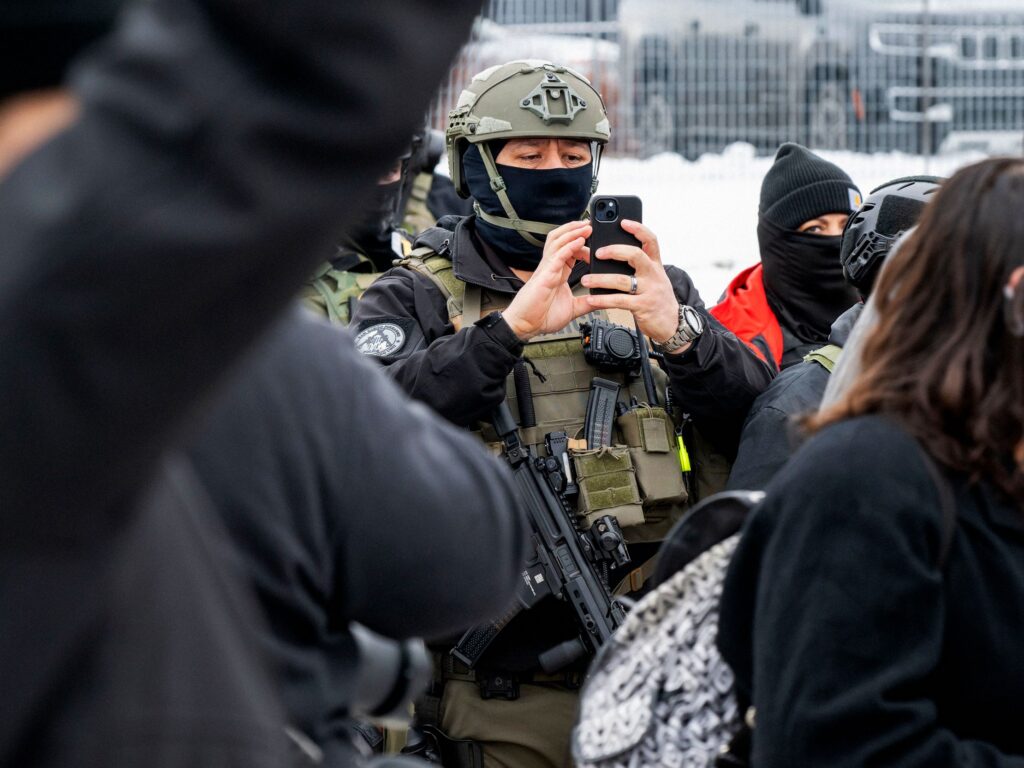
Mobile Fortify, a face-recognition app rolled out by the Department of Homeland Security in spring 2025, is being used by ICE and CBP in towns and cities across the US to scan people during stops and enforcement actions. Despite DHS language saying it can “determine or verify” identities, the system only returns candidate matches — it is not designed to produce definitive identifications, especially from street photos taken in uncontrolled conditions.
The app was approved after DHS dismantled previous department-wide privacy checks and removed safeguards that limited facial-recognition use. Records and testimony show Fortify has been used extensively (a lawsuit claims over 100,000 field scans), has produced conflicting matches, and is feeding biometric galleries and watchlists with long data-retention timelines. Experts and advocates warn this expands intrusive surveillance far from the border, threatens civil liberties, and lacks transparency or redress mechanisms.
Key Points
- Mobile Fortify returns candidate matches, not verified identities; manufacturers and civil-rights groups say face recognition is for leads, not conclusive ID.
- Federal records and testimony show the app has been used in the interior on citizens, protesters, bystanders and targeted individuals.
- DHS fast-tracked Fortify after removing centralised privacy reviews and discarding a 2023 directive that limited facial-recognition use.
- Operational trade-offs — speed, system load and response time — mean thresholds are tuned to favour quick results over accuracy, raising false‑match risks.
- NIST testing and expert analysis show accuracy drops sharply in uncontrolled, real‑world images versus visa‑style photos used at ports of entry.
- Data from Fortify flows into systems like ATS, SAW and the IDENT fingerprint database; retention policies can be long (TVS/CBP up to 15 years; IDENT fingerprints a minimum of 75 years).
- Internal records reference a Fortify the Border Hotlist with opaque criteria and unclear redress processes.
- Senator Ed Markey and others have proposed legislation (ICE Out of Our Faces Act) to restrict ICE/CBP biometric surveillance tools due to civil‑liberties concerns.
Context and relevance
This reporting sits at the intersection of surveillance tech, immigration enforcement and civil‑liberties oversight. It highlights a broader trend: agencies moving biometric collection from controlled points (airports, ports of entry) into everyday street encounters, while oversight and privacy controls are weakened. For policymakers, privacy advocates and anyone worried about state surveillance, the story shows how technical limitations (how algorithms behave with poor photos and tuned thresholds) combine with policy changes to expand intrusive practices with limited accountability.
Why should I read this?
Because government officers are now using a tool that doesn’t actually prove who you are — and the department quietly removed the guardrails before doing it. If you care about privacy, protest rights, or how biometric data gets stored and shared for years, this piece explains the risks in plain terms and saves you from digging through court filings yourself.
Source
Source: https://www.wired.com/story/cbp-ice-dhs-mobile-fortify-face-recognition-verify-identity/