
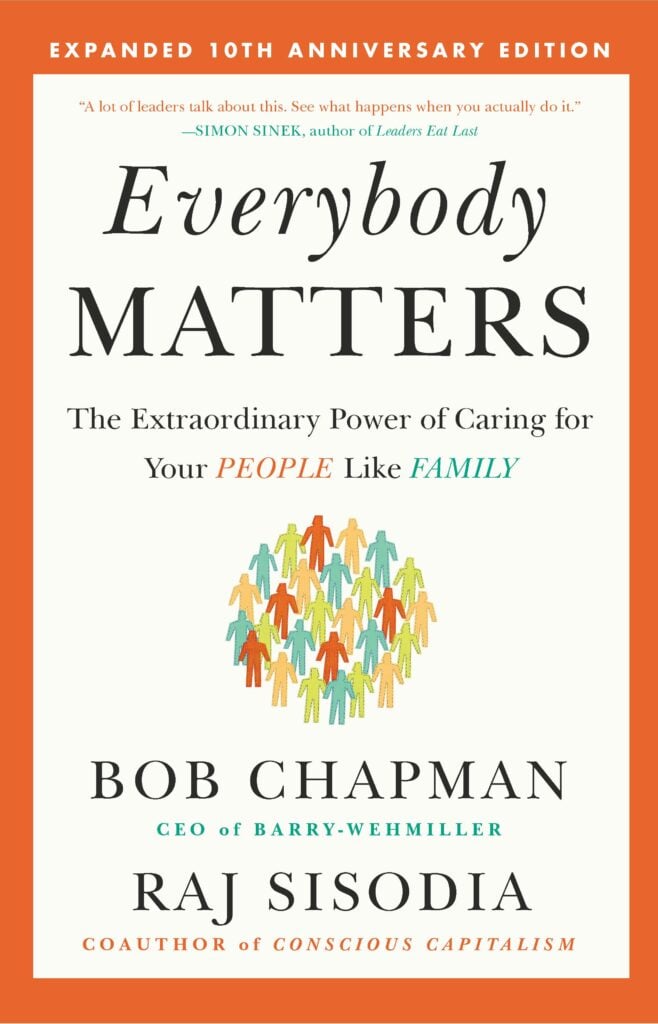
The Test Of Our Culture
Summary
This article examines the widespread business practice of using layoffs to fix short-term financial problems and contrasts that approach with the people-centred response Barry-Wehmiller adopted during the 2008–2009 recession. Rather than cutting staff, the company implemented a company-wide unpaid furlough and shared sacrifices so no one lost their job. The move preserved morale, reinforced culture and helped the business rebound strongly.
Key Points
- Layoffs became routine from the 1980s as a quick way to boost share prices; language shifted to euphemisms like “rightsizing” and “streamlining.”
- Layoffs carry heavy human costs: shame, health decline, family stress and long-term damage to survivors’ morale and productivity.
- Barry-Wehmiller had developed a “Truly Human Leadership” vision that prioritises measuring success by how the company touches people’s lives.
- Facing the Great Recession, the company chose shared sacrifice (furloughs with flexible timing, preserved training and improvement work) instead of mass layoffs.
- The approach generated relief, solidarity and renewed commitment from employees; many used downtime for training and community actions.
- The business recovered within nine months and posted record earnings in fiscal 2010—without rehiring en masse—demonstrating cultural and commercial benefits of the people-first choice.
Content summary
The piece opens by tracing how layoffs became a reflexive management tool and highlights the shallow justifications executives often give. It describes the deep emotional and health impacts on those laid off and on the colleagues left behind.
Bob Chapman recounts Barry-Wehmiller’s experience in the 2008–2009 downturn. Having spent years embedding their Guiding Principles of Leadership, the company rejected the traditional reflex of firing to cut costs. Instead, leadership proposed a furlough plan in which everyone took unpaid time off, with flexibility on when to take it and encouragement to use the time for learning or volunteering. Those better off sometimes gave up extra weeks so colleagues in greater need could retain more income.
The result was unexpected: fear gave way to gratitude, morale improved, and the company emerged stronger. Chapman argues this outcome proves that values are tested not in good times but in crises — and that genuinely living a people-first vision can deliver both ethical and commercial success.
Context and relevance
This article is important for leaders, HR professionals and board members wrestling with cost pressures and workforce decisions. It provides a concrete, well-documented alternative to layoffs and ties cultural choices to measurable business outcomes. In an era where employee trust, retention and skills are strategic assets, the case shows how short-term cost cuts can produce long-term cultural and financial damage — and how shared-sacrifice strategies can preserve capability and accelerate recovery.
Why should I read this?
Because this isn’t airy idealism — it’s a practical playbook from a real company that chose people over instant profit and came out ahead. If you manage a team or run a business, it’ll make you rethink the default option of firing people when revenues falter. We’ve saved you the time: here’s the lesson — culture can be a competitive advantage, not just a slogan.
Author
Punchy: The author forces a contrast between cheap financial fixes and courageous leadership. If you care about long-term performance (and not just quarter-to-quarter optics), this piece is a wake-up call.