
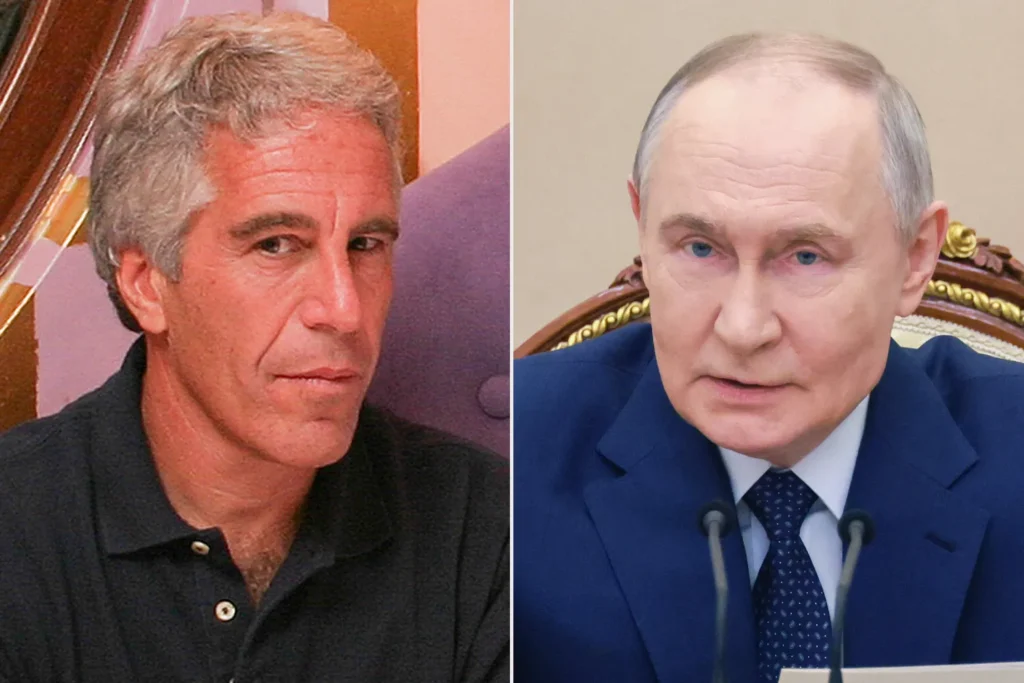
Newly Unsealed Epstein Files Introduce a Claim About Vladimir Putin — and Raise New Questions
Summary
A newly unsealed batch of Department of Justice records includes 2017 testimony from an FBI confidential human source alleging Jeffrey Epstein acted as a wealth manager for Vladimir Putin and Robert Mugabe. The claim is unverified: prosecutors have not substantiated it, no charges followed, and the documents do not link it to Epstein’s criminal case. Its publication, however, brings financial networks and offshore mechanisms into sharper public view and increases pressure on institutions to explain what they knew.
Key Points
- The unsealed 2017 testimony alleges Epstein charged clients to move and conceal assets offshore and names Putin and Mugabe as purported clients.
- The claim is unverified; the documents do not provide transactions, dates, or evidence that U.S. authorities corroborated the allegation.
- Inclusion of the allegation in official records raises public and investigative scrutiny even in the absence of legal findings.
- The release shifts focus from Epstein’s social access to his financial networks and unresolved questions about how he amassed and managed wealth.
- The Kremlin and U.S. authorities have not confirmed or pursued the allegation; it remains on the public record in limbo.
Content Summary
The unsealed files include testimony from an FBI source describing Epstein’s business model as charging fees to move and hide assets offshore. Recorded in 2017, the testimony alleges Epstein managed wealth for powerful figures, including Vladimir Putin and Robert Mugabe, but provides no corroborating transactional detail. While not evidence of wrongdoing, the claim’s appearance in official records changes the public narrative by placing Epstein within debates over opaque political finances.
The documents mix verified facts and unverified leads; their release collapses those distinctions in public perception and raises pressure on agencies, journalists and foreign governments to re-evaluate earlier choices about investigation and disclosure.
Context and Relevance
Putin’s finances have long been opaque, and this allegation connects Epstein to broader questions about hidden wealth and offshore networks. At a moment when millions of pages are being released, even unproven claims can catalyse renewed inquiry and reputational consequences. For readers tracking geopolitics, financial secrecy or the evolving Epstein record, the disclosure matters because it alters what institutions may need to answer for and how the public will interpret past decisions.
Author’s take
Punchy: This isn’t proof — it’s a spotlight. The file doesn’t convict, but it does make it a lot harder to shrug this off. If you follow power, money and secrecy, this change in the public record is worth noting.
Why should I read this?
Because it’s a fresh twist in a story that keeps throwing up new questions. We read the paperwork so you don’t have to — this tells you the claim exists, what’s missing, and why that gap now matters.