
India Budget 2026-27: What HR and business leaders need to know
Summary
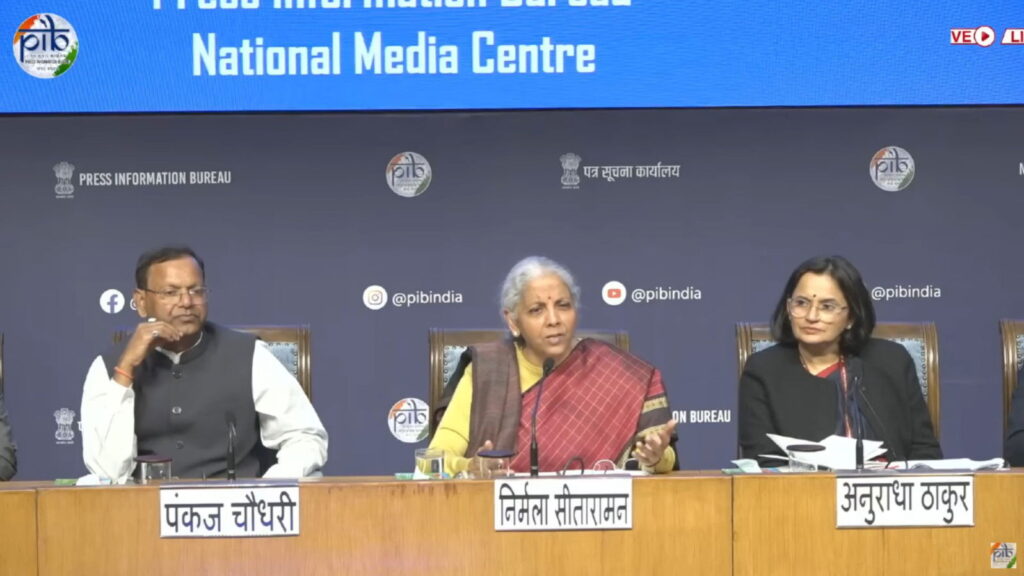
India’s Finance Minister Nirmala Sitharaman presented the Union Budget 2026-27 on 1 February, outlining a roadmap to sustain economic growth, boost domestic manufacturing and infrastructure, and create jobs. The Budget is framed around three “kartavyas” (responsibilities), with particular emphasis on accelerating growth and building the capacity of India’s people.
Key measures for HR and business leaders include targeted funding for manufacturing and technology (Biopharma SHAKTI: ₹10,000 crore over five years; India Semiconductor Mission 2.0), a SME Growth Fund (₹10,000 crore), increased public capital expenditure (₹12.2 lakh crore), and major investments in health, education and skills (training ~100,000 allied health professionals over five years; university townships; STEM support for girls).
The Budget also prioritises sectors with employment potential — textiles, AVGC (animation, visual effects, gaming and comics), tourism, creative industries and healthcare — and proposes incentives for regional development, medical hubs and initiatives to support women-led and marginalised enterprises.
Key Points
- Budget aims to sustain strong growth via manufacturing, infrastructure and MSME support.
- Biopharma SHAKTI: ₹10,000 crore over five years to boost biologics and biosimilars capacity and R&D.
- India Semiconductor Mission 2.0 to expand chip production and develop a skilled tech workforce.
- SME Growth Fund of ₹10,000 crore plus liquidity and professional support to create “Champion MSMEs”.
- Public capital expenditure projected at ₹12.2 lakh crore; new freight corridors, waterways and city economic regions planned.
- Human-capital investments: ~100,000 allied health professionals to be trained; regional medical hubs and medical tourism initiatives.
- Focus on skills and education: university townships, design institutions, STEM facilities for girls, and targeted programmes for marginalised groups and rural women-led enterprises.
- Industry reaction highlights potential for deeper talent pipelines, tech-driven manufacturing, and the need for strategic communications to translate policy into trust and growth.
Context and relevance
The Budget matters to HR and business leaders because it shapes where jobs will grow, which skills will be in demand, and where investments will flow. Expect higher hiring and training needs in healthcare, semiconductor and electronics manufacturing, textiles, AVGC and services. The SME fund and infrastructure push will influence location strategies, supplier ecosystems and regional hiring.
For HR teams this means planning for reskilling/upskilling programmes, partnerships with training providers and universities, and revisiting talent acquisition strategies for niche technical roles. For business leaders, the Budget reinforces localisation, supply-chain onshoring and regional expansion as practical levers for growth.
Author style
Punchy: This isn’t a dry fiscal exercise — the Budget signals where India’s workforce and industrial priorities will be over the next few years. If your organisation recruits, trains or plans capacity in India, these measures will affect headcount, skills strategy and regional investment decisions.
Why should I read this
Short version: if you hire, train or run teams in India, this Budget tells you where the jobs, funding and skills focus will be. Read it to spot recruitment hotspots (healthcare, semiconductors, AVGC, textiles), prepare reskilling plans, and adjust location or supplier strategies. We’ve done the skimming so you can act faster.