
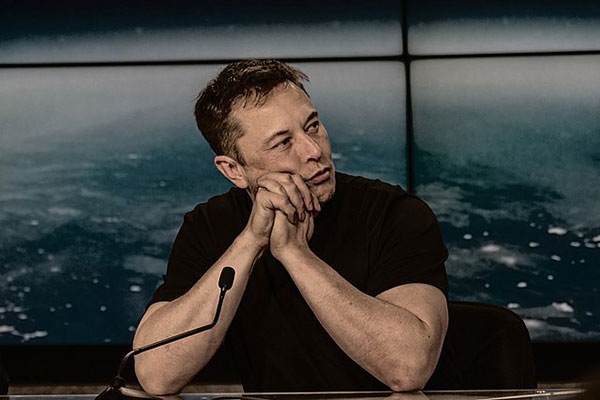
Elon Musk Confirms Tesla Will Stop Model S and Model X Production
Article Meta
Article Date: 29 January 2026
Article URL: https://www.supplychain247.com/article/tesla-ends-model-s-x-production-for-robots
Article Image: elon-musk-wikimedia.jpg

Summary
Elon Musk announced on Tesla’s recent earnings call that the company will wind down and essentially stop production of the Model S sedan and Model X SUV next quarter. Tesla will repurpose space at its Fremont, California, plant to build Optimus humanoid robots and to support autonomous-vehicle programmes including the Cybercab robotaxi initiative. Tesla says it will continue to support current owners of the S and X even as it pivots production capacity toward robotics and self-driving products. The move comes amid weaker vehicle deliveries and a drop in annual revenue, though Tesla still beat Wall Street expectations on earnings.
Key Points
- Tesla will end production of the Model S and Model X next quarter and repurpose the Fremont factory for robots like Optimus.
- The shift supports Tesla’s deeper push into robotics and autonomy, including the Cybercab robotaxi programme slated for production later this year.
- Tesla reported weaker vehicle deliveries and lower annual revenue, despite reporting stronger-than-expected earnings.
- The company will continue to support existing Model S and Model X owners even after production stops.
- The product line will now be centred on the Model 3, Model Y and the upcoming Cybertruck, while Tesla expands into trucking and autonomous services (e.g., partnerships and Semi pilots).
Content Summary
Musk framed the decision as part of a longstanding strategy to make Tesla more than an automaker — a technology and robotics company. By freeing up manufacturing space previously used for the S and X, Tesla plans to increase capacity for Optimus humanoid robots and accelerate work on autonomous vehicle products. The company has recently moved into related areas: advancing Semi truck production plans, piloting Tesla Semi with logistics partners and testing fully self-driving deliveries in limited trials.
The announcement follows disappointing vehicle delivery figures and a revenue dip, but Tesla’s earnings beat expectations — a reminder that strategic pivots can accompany short-term sales pressure. For the supply chain, manufacturing and warehousing sectors, Tesla’s move signals potential shifts in supplier demand, production tooling and talent allocation as automotive lines give way to robotics assembly and autonomy-focused components.
Context and Relevance
This is a strategic inflection point for Tesla: retiring flagship premium models to focus on robotics and autonomy. For readers in transport, manufacturing and supply chain roles, the decision matters because it affects supplier routes, factory layouts, parts inventories and long-term demand for components specific to luxury EV platforms versus robotics and autonomy hardware. The change also feeds broader industry trends — convergence of automotive manufacturing with robotics, shifting capital investment toward software and autonomy, and the growing commercialisation of humanoid and automated systems in logistics and services.
Author style
Punchy: This isn’t a tweak — it’s a bet. Tesla is reallocating prime factory real estate from high-profile cars to robots and robotaxis. If you work in automotive supply, logistics or factory ops, this could change what parts and skills are hot next season. Read the detail if you’re planning capacity, supplier strategy or recruitment.
Why should I read this?
Look — you don’t need another Tesla thinkpiece. Read this because it’s a real production change that will ripple through suppliers, factory planning and logistics. If your business touches EV components, factory tooling, or warehouse automation, this short briefing saves you the time of sifting through the earnings call yourself and flags what to watch next.
Source
Source: https://www.supplychain247.com/article/tesla-ends-model-s-x-production-for-robots