
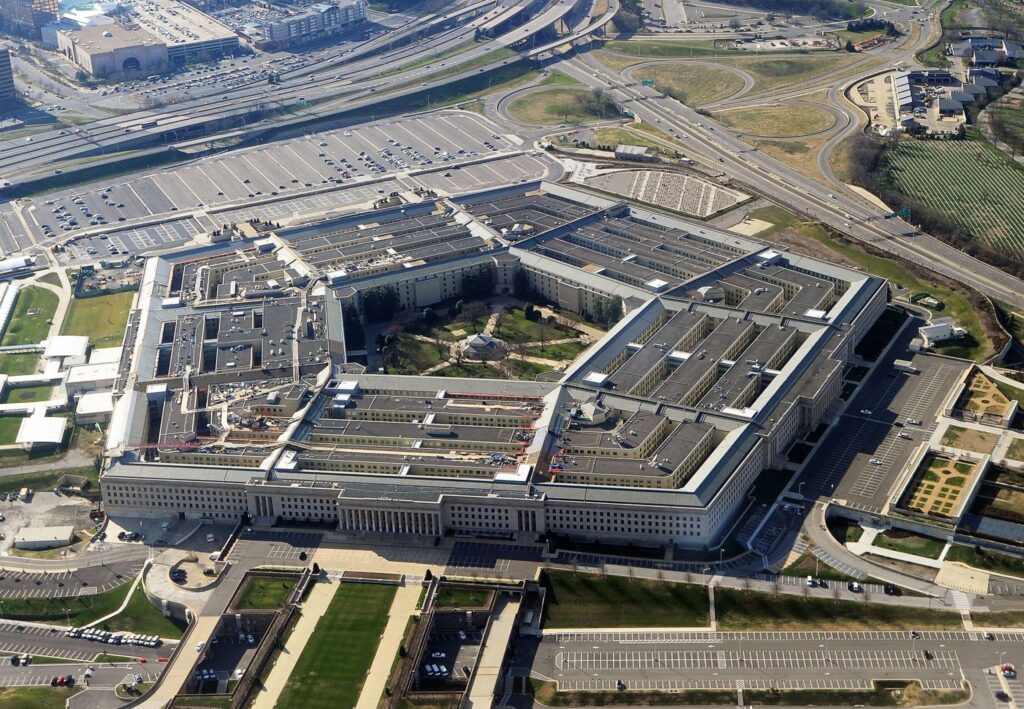
Pentagon and Anthropic Clash Over Who Controls Military AI Use
Summary
A public standoff between the Pentagon and Anthropic has highlighted a core tension at the intersection of commercial AI and national security. Anthropic wants explicit safeguards to stop its models being used for autonomous targeting or domestic surveillance; Pentagon officials insist they must retain the ability to deploy commercial AI within US law. The disagreement centres on a contract worth up to $200 million and has exposed an accountability gap: companies build usage guardrails, but sovereign authorities control deployment. Talks are ongoing, but the episode is already reshaping how tech firms, investors and defence officials view AI partnerships.
Key Points
- Standoff concerns a Pentagon contract potentially worth up to $200 million and limits Anthropic seeks on military uses.
- Anthropic wants safeguards to prevent use in autonomous weapons targeting and domestic surveillance.
- The Pentagon argues government retains the right to use commercial AI in ways compliant with US law, effectively overriding company-level guardrails once deployed.
- The dispute exposes an accountability gap: neither companies nor defence agencies have a clear, enforceable mechanism for responsibility once systems are in government hands.
- Anthropic faces reputational risk as it readies a potential IPO and markets itself as a safety-focused developer.
- Other AI firms watching this may rethink how much control they actually retain when contracting with defence organisations.
Content Summary
The piece outlines a growing disagreement between Anthropic and the US Department of Defence over who controls how advanced commercial AI is used in military contexts. Anthropic has pressed for contractual limits aimed at keeping its models from being repurposed for lethal autonomous targeting or intrusive domestic surveillance. Pentagon officials counter that operational flexibility is essential and that any use compliant with the law should be permitted, which undermines the practical effect of corporate usage policies once tools are in government custody.
The article explains why this matters now: Anthropic is positioning itself as a safety-first company while pursuing defence work and a possible public listing. That mix raises reputational stakes and reveals a structural accountability problem — contractors can agree safeguards, but sovereign actors decide deployment. Negotiations continue, but the episode has already shifted risk calculations across Silicon Valley and defence procurement circles.
Context and Relevance
This clash sits within broader trends: increasing commercial AI integration into national security, rising public scrutiny of AI ethics, and a push for clearer governance over dual-use technologies. For business leaders, investors and policymakers, the case is a bellwether on how enforceable corporate safety commitments really are and how procurement terms might change to preserve operational control or to enforce stronger safeguards.
Author note
Punchy: This isn’t just another procurement row — it’s where AI safety, corporate reputation and national security collide. If you’re watching AI regulation, defence tech deals or the next big IPO in the sector, the details here will matter.
Why should I read this?
Want the short version? Tech firms are finding out that saying “we care about safety” looks different when your kit ends up in military hands. If you care about risk to brand, investment exposure, or how AI governance actually works in practice, this story saves you the time of digging through the legal fine print — it’s the cliff notes on a fight that will shape future contracts and oversight.
Source
Source: https://www.ceotodaymagazine.com/2026/01/pentagon-anthropic-military-ai-control/