
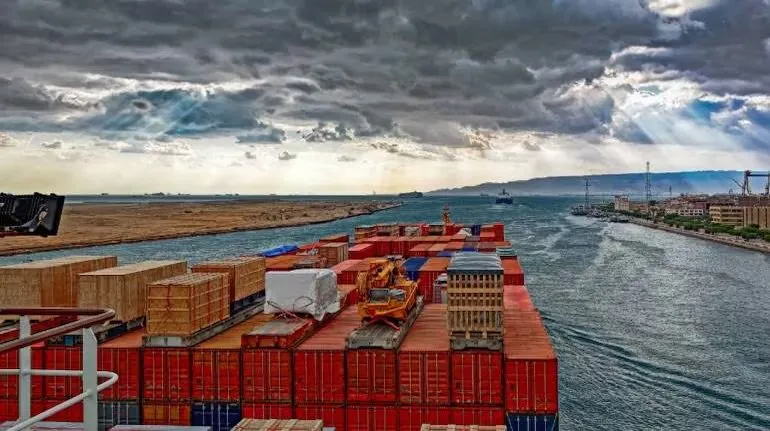
Global Shipping’s Return to the Suez Canal in Jeopardy Again
Summary
The fragile rebound of container traffic through the Suez Canal is under renewed threat as rising tensions in the Red Sea and warnings from Yemen’s Houthi movement push carriers to reroute vessels around the Cape of Good Hope. After tentative returns late in 2025 led by carriers such as CMA CGM and selective Maersk sailings, several lines including CMA CGM have scaled back Suez services on geopolitical-risk grounds.
Security concerns stem from repeated Houthi attacks over the past two years — missiles, drones and sinkings — and recent pro-Houthi messaging implying further strikes. The wider Middle East conflict dynamics, increased U.S. and allied naval presence at Bab el-Mandeb, and high war-risk insurance premiums have left carriers cautious. As a result, Suez transits remain well below pre-crisis volumes, insurers are keeping premiums elevated, and longer detours that add around 10–15 days to voyages continue to push up costs and transit times.
Key Points
- Carriers that began returning to Suez late in 2025 are now retreating again because of renewed Red Sea threats.
- CMA CGM has scaled back Suez sailings; Hapag-Lloyd, ONE and others remain cautious about resuming full transits.
- Suez traffic is still roughly 60% below pre-crisis levels, despite periods without reported attacks.
- Detours around the Cape add 10–15 days to transit times and increase fuel and operating costs.
- War-risk insurance premiums have eased from peak levels but remain a deterrent; international naval operations (including the EU’s Operation Aspides) provide some protection but not full reassurance.
Context and relevance
This story sits at the intersection of geopolitics and global trade: the Suez Canal is the shortest maritime link between Asia and Europe, so any prolonged disruption reshapes routing, costs and inventory decisions across supply chains. High insurance and operating costs feed into freight rates and may accelerate longer-term shifts — greater inventory buffers, alternative routings, and investment in overland or rail corridors. For carriers and shippers, the key variables to watch are the persistence of Houthi threats, sustained naval escorts, and whether insurers materially reduce premiums.
Author verdict (punchy)
Short and blunt: this matters. If the Suez route doesn’t stabilise, the shipping industry faces another year of higher costs, slower deliveries and strategic realignments. Read the detail if you run logistics, plan inventory or manage ocean contracts — it could force operational changes you’ll feel across the business.
Why should I read this?
Because if you move stuff between Asia and Europe (or pay for it), this is the story that will hit your lead times, budgets and customer promises. It’s a quick update on who’s going back to Suez, who isn’t, and why insurers and navies still haven’t made everyone sleep easy. Worth two minutes — saves you reading the full noise.
Source
Source: https://www.logisticsinsider.in/global-shippings-return-to-the-suez-canal-in-jeopardy-again/