
‘We need to understand our place’: EEOC scraps harassment guidance protecting transgender workers
Summary
The U.S. Equal Employment Opportunity Commission voted 2-1 on 22 January 2026 to rescind its April 2024 workplace harassment guidance that had explicitly addressed protections for transgender employees and harassment related to pregnancy, childbirth and abortion decisions. The guidance had interpreted Title VII in light of the Supreme Court’s Bostock decision to cover gender identity and sexual orientation and had listed examples of illegal harassment such as “outing,” repeated misuse of names/pronouns and denial of access to sex-segregated facilities consistent with an individual’s gender identity.
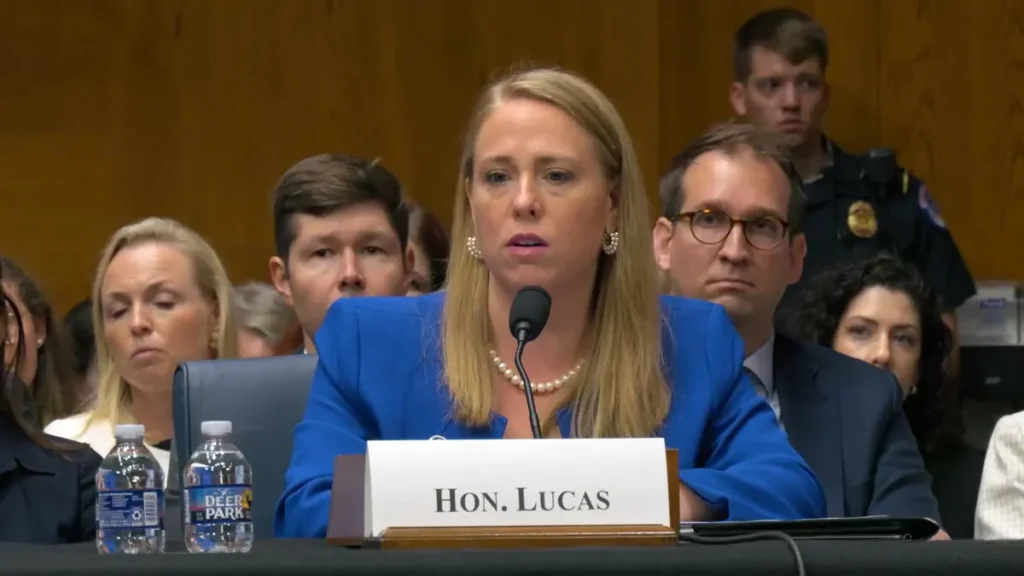
Chair Andrea Lucas and Commissioner Brittany Panuccio, both Republicans, cited recent court rulings that blocked or vacated portions of the guidance and said the agency should avoid making substantive policy pronouncements. Commissioner Kalpana Kotagal, the lone Democrat, dissented, arguing the rescission improperly discards a decade of work and should have followed notice-and-comment procedures.
Though the rescission is effective immediately, legal experts note that EEOC guidance is non-binding and the move does not itself change federal anti-harassment law or state civil-rights protections; employers have nonetheless been warned not to simply remove sexual orientation or gender identity from their harassment policies.
Key Points
- On 22 January 2026 the EEOC voted 2-1 to rescind its 2024 harassment guidance that included protections for transgender workers and guidance on pregnancy-related harassment.
- The 2024 guidance referenced Bostock v. Clayton County and listed concrete examples of harassment (e.g., “outing,” incorrect pronoun use, denying access to appropriate facilities).
- Republican commissioners argued recent court decisions undermined the guidance and that the EEOC should not issue substantive policy interpretations without congressional authority.
- Democratic Commissioner Kalpana Kotagal dissented, saying the agency should have used notice-and-comment procedures to rescind the substantive rule.
- Legal commentators stress the rescission does not directly alter federal statutory law or state protections; employers are advised to maintain inclusive harassment policies to manage legal and reputational risk.
Context and relevance
This is a notable administrative move at the intersection of employment law, civil rights and HR policy. The EEOC guidance had provided employers with specific, actionable examples of harassment tied to gender identity and pregnancy-related issues — its removal creates uncertainty for HR teams determining best practice and compliance steps. The decision follows a broader pattern of court challenges to agency guidance documents and reflects a larger political and legal debate about the scope of administrative agencies’ interpretive authority.
Why should I read this?
Short version: if you hire people, this affects you. The EEOC’s guidance was the clearest federal instruction many employers had on handling gender-identity and pregnancy-related harassment. Its rescission raises immediate questions for workplace policy, training and risk management — and whether you update or keep protections in place will matter for legal exposure and staff morale.
Author style
Punchy: this isn’t just another regulatory tweak — it’s a practical headache for HR teams and a signal that agencies’ written guidance may be less stable than before. If you manage policy, training or compliance, read the original and check state law.
Source
Source: https://www.hrdive.com/news/eeoc-rescinds-harassment-guidance/810251/