
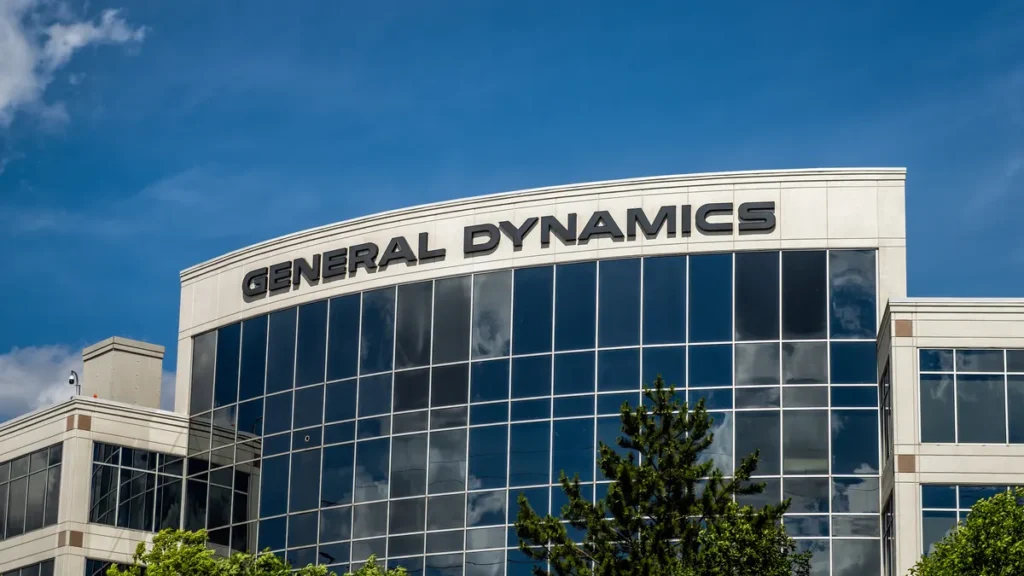
SCOTUS asks White House to opine on shipbuilders’ no-poach dispute
Summary
The U.S. Supreme Court has invited the Solicitor General to file a brief in General Dynamics Corp. et al. v. Scharpf, signalling possible review of a 4th Circuit decision that allowed a class of naval engineers to pursue Sherman Act claims despite the statutory four-year limitations period. The 4th Circuit found plaintiffs plausibly alleged fraudulent concealment of an unwritten no-poach agreement among shipbuilders, tolling the limitations period. Defendants argue the decision conflicts with other circuits and could expose employers to open-ended liability.
Key Points
- The Supreme Court has asked the U.S. Solicitor General to weigh in on whether the case merits review.
- The 4th Circuit allowed plaintiffs’ Sherman Act claims to proceed, holding fraudulent concealment could toll the four-year statute of limitations.
- Plaintiffs allege an “unwritten rule” not to recruit one another’s naval engineers and say executives exchanged salary information that suppressed wages.
- Petitioners argue the 4th Circuit conflicts with the 5th, 6th and 9th Circuits, which require more than secrecy to establish fraudulent concealment.
- Federal agencies have warned employers that no-poach agreements can violate antitrust law; resolving this could affect employer liability and class actions going forward.
Content Summary
The dispute stems from a Virginia suit filed in 2023 where a proposed class covers employees going back to 2000. Although the most recent named plaintiff left a defendant company in 2013, plaintiffs say the companies concealed the no-poach arrangement and related facts, preventing timely discovery of the claims. The 4th Circuit relied on insider quotes and allegations that the companies deliberately kept the agreement off the record.
Defendants asked the high court to resolve whether allegations of a secret or unwritten agreement are enough to show fraudulent concealment. Industry groups including the U.S. Chamber and National Association of Manufacturers argue the 4th Circuit’s approach would upend settled law by allowing indefinite liability for long-ago conduct. The case arrives against a backdrop of DOJ and FTC guidance warning businesses that no-poach practices can be unlawful.
Context and Relevance
This is a noteworthy case for HR, counsel and employers because a Supreme Court ruling could clarify when an employer’s secret or unwritten anti‑poaching practices can toll antitrust limitations and revive ancient claims. The outcome may shape plaintiffs’ strategies in wage-suppression litigation and influence company hiring and information‑sharing practices across industries.
Author style
Punchy: This case isn’t niche — it could reset the rules on how long employees or former staff can challenge hidden no‑poach practices. If you advise employers or manage hiring policy, the details matter; the Court’s take will be worth reading closely.
Why should I read this?
Because if you’re in HR, legal or run a business that swaps recruiting info or benchmarks pay, this could change how long you stay exposed to lawsuits. Short version: a secret handshake could now stretch the clock on antitrust claims — and that’s the kind of headache you want to know about before it lands on your desk.
Source
Source: https://www.hrdive.com/news/scotus-shipbuilders-no-poach-dispute/809542/