
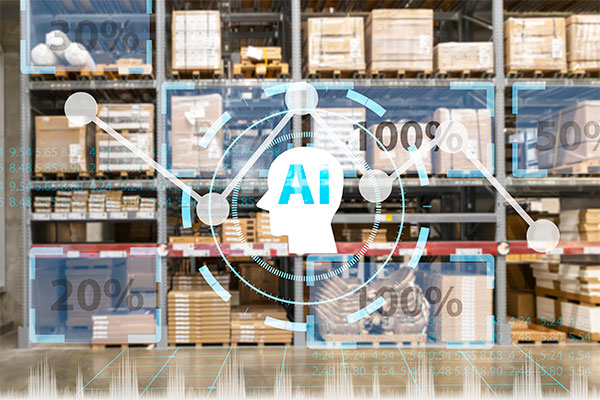
Practical AI in Warehouse Operations: Real-World Impact on Efficiency & Robotics
Summary
This article, by Kait Peterson of Locus Robotics, explains how AI has moved from hype to measurable gains on the fulfilment floor. Rather than chatbots, warehouse AI is “physical” — systems and autonomous mobile robots (AMRs) that perceive changing conditions, learn from operational data and act in real time alongside people. Locus positions its LocusONE orchestration platform and fleet of robots as examples of AI that coordinates people, robots and systems to boost throughput, reduce errors and free staff for higher-value tasks.
The piece highlights three practical themes: the importance of real operational data, the role of AI in orchestration (not just navigation), and the staged journey toward greater autonomy that depends on clean data, the right partners and operational readiness.
Key Points
- Warehouse AI is “physical”: it senses, decides and acts in changing, real-world environments rather than only analysing static datasets.
- Locus uses a decade of operational data (billions of pick missions across 325+ sites) to build trustworthy, scalable AI models.
- LocusONE central orchestration aligns people and robots via System-Directed Labour (SDL), AI-powered picking and agentic, natural-language insights.
- Practical gains are measurable — improved throughput, fewer errors and reduced labour overhead for repetitive tasks.
- Full autonomy is an incremental journey: it requires accurate data, reliable technology partners and workforce training.
- AI should augment human workers, improving safety, ergonomics and productivity rather than simply replacing labour.
Author style
Punchy: Kait Peterson keeps the message sharp — AI in warehouses isn’t futuristic speculation, it’s delivering measurable operational improvements now. The article drives a clear point: adopt AI with data, domain knowledge and people front and centre.
Context and relevance
Why it matters: warehouses face labour shortages, rising e-commerce volumes and tighter fulfilment windows. The article sits at the intersection of those pressures and the rapid maturation of robotics and orchestration software. For organisations weighing pilots versus scale, the piece emphasises that scaleable, explainable AI underpinned by real-world operational data is the competitive differentiator. It also ties into broader trends — human-robot collaboration, data-driven decision making and the push toward zero-touch processes for repetitive work.
Why should I read this?
Short and blunt: if you run or influence warehouse ops, this is worth five minutes. It cuts through the buzz and shows how AI and AMRs actually boost throughput, cut errors and free people for better work — plus it tells you what you need (clean data, partners and training) to make it happen. Consider it a quick reality-check from folks doing this at scale.