
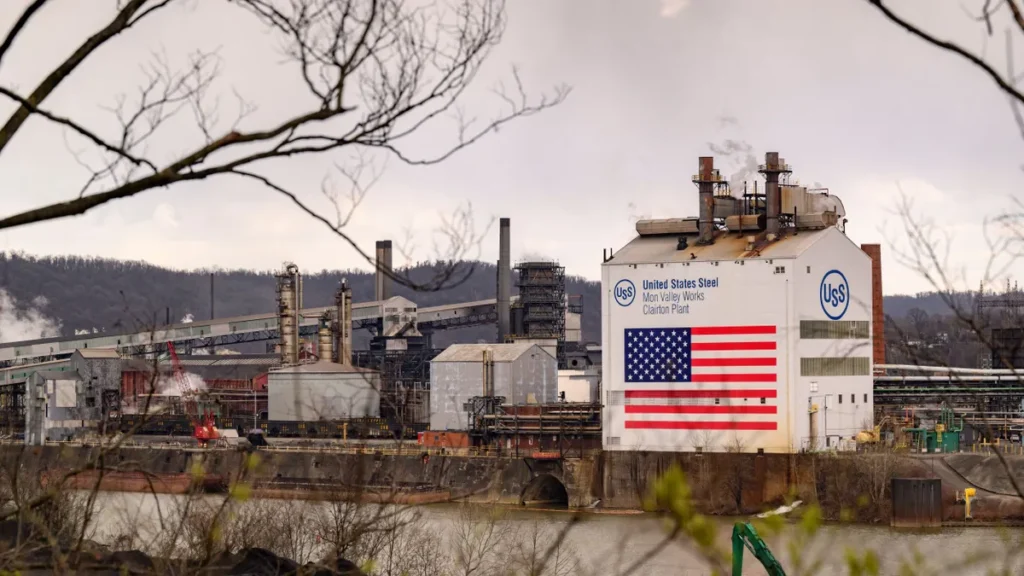
US Steel refused to accommodate pregnant mine worker, EEOC alleges
Summary
The U.S. Equal Employment Opportunity Commission (EEOC) has sued U.S. Steel, alleging the company violated the Pregnant Workers Fairness Act (PWFA). The suit says a mobile equipment operator (MEO) at a Minnesota ore mine asked for restrictions from her healthcare provider — specifically to avoid operating physically jarring equipment — and that reasonable accommodations existed within her role. Instead, the complaint alleges managers placed her on leave, reassigned her to menial office tasks with lower pay, and later put her in remote, unsuitable mine locations after she suffered a miscarriage. The EEOC contends U.S. Steel failed to engage in the required interactive process and retaliated after the employee filed a charge.
Key Points
- The EEOC filed suit (EEOC v. U.S. Steel) alleging violations of the Pregnant Workers Fairness Act.
- The employee was an MEO in northern Minnesota whose medical restriction barred operation of physically jarring equipment.
- EEOC says reasonable accommodations existed within the job (e.g. fill-in leader, dispatch, training) but were not discussed.
- U.S. Steel allegedly placed the worker on sick leave, reassigned her to lower-paid menial work, and later to remote mine duties with inadequate facilities for women.
- The complaint alleges the company retaliated after the employee requested an accommodation and filed an EEOC charge.
- The case underscores the EEOC’s ongoing enforcement of the PWFA and its protections for pregnancy-related conditions, including childbirth and miscarriage.
Content summary
The EEOC’s Dec. 19 complaint argues U.S. Steel did not engage in the interactive process required by the PWFA and instead removed the worker from her regular role. The employer allegedly missed opportunities to assign acceptable, less strenuous tasks that would have preserved pay and status. After a miscarriage, the worker was given assignments in remote parts of the mine that sometimes lacked appropriate restroom facilities for women. The EEOC points to similar recent enforcement actions and settlements to show it remains active in protecting pregnant employees’ rights to reasonable accommodations.
Context and relevance
This lawsuit is significant for HR, health & safety and legal teams. The PWFA requires employers to consider reasonable accommodations for pregnancy-related limitations and to do so through an interactive process. Large employers in safety-sensitive industries must balance operational demands with legal obligations; failing to engage in good-faith accommodation discussions or taking adverse actions after accommodation requests can trigger enforcement and litigation. The case also highlights employer exposure around post-pregnancy and bereavement assignments.
Why should I read this?
Short version: if you manage people, you need to know this — the EEOC is actively testing how the PWFA applies in heavy-industry settings. This isn’t just another HR headline; it spells out practical traps (not engaging the employee, moving them off-role, lower pay, poor facilities) that can become costly legal problems. Read it so you don’t repeat the same mistakes.