
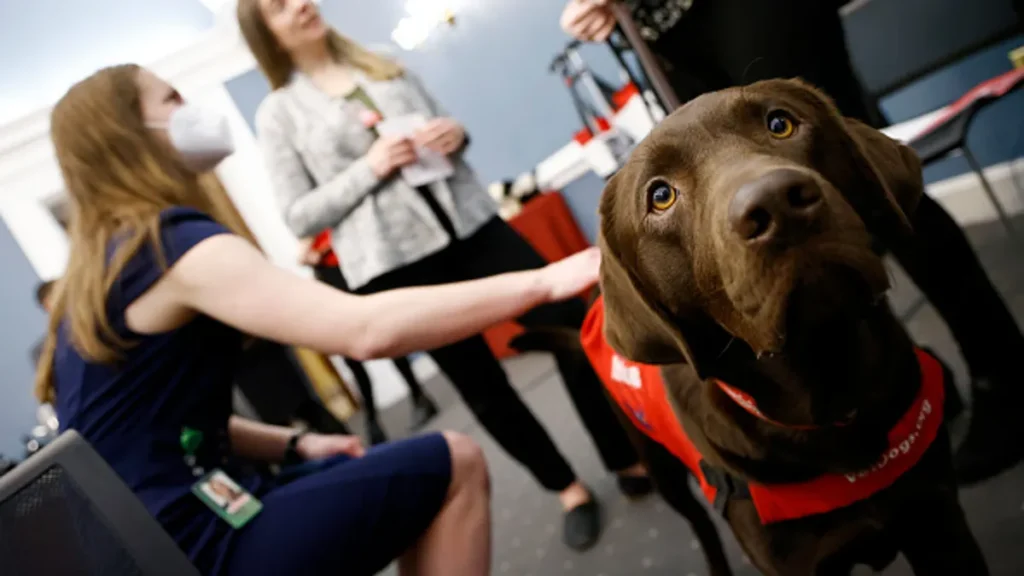
SHRM rescinded job offer over candidate’s service dog, lawsuit alleges
Summary
A former job candidate has sued the Society for Human Resource Management (SHRM), alleging the organisation rescinded a job offer after she requested to bring her trained service dog to the office as a reasonable accommodation for Type 1 diabetes. The complaint, filed in the U.S. District Court for the Eastern District of Virginia (Torres v. SHRM), asserts violations of the Americans with Disabilities Act and the Virginia Human Rights Act.
The plaintiff says the service dog detects dangerous blood-glucose swings and that, since being paired with the dog eight years ago, her life‑threatening hypoglycaemic blackout episodes have dropped from about 10 times a year to one. According to the suit, SHRM initially asked for more information, then concluded she could perform the job without the dog and abruptly ended the interactive process before withdrawing the offer. SHRM said it is reviewing the filing and declined further comment.
Key Points
- Candidate alleged SHRM rescinded a senior specialist offer after she requested to bring a trained service dog as an accommodation for Type 1 diabetes.
- The plaintiff says the dog prevents life‑threatening hypoglycaemic events that glucose monitors alone cannot reliably avert.
- The lawsuit claims SHRM violated the ADA and Virginia law by ending the interactive process and withdrawing the offer without proper engagement.
- SHRM confirmed it is reviewing the court filing and declined to make a public statement out of respect for the process.
- The case follows other recent legal troubles for SHRM, including a jury verdict against the organisation earlier this month in a race discrimination and retaliation case.
Context and relevance
This suit is significant for HR professionals because SHRM is both a major industry voice on employment law and an employer itself. An allegation that the body advising employers on ADA compliance failed to follow the law raises questions about how accommodation requests are handled in practice — especially when they concern life‑safety issues that technology alone might not address.
For employers, the case underscores the need for a thorough, documented interactive process, careful assessment of medical support animals and an understanding that reasonable accommodations can extend beyond devices to trained animals that materially reduce risk.
Why should I read this?
Short version: this isn’t just another HR headline — it’s about whether a major HR trade body walked the talk on disability law. If you hire, advise or set policy, this could affect what you do next. We’ve done the legwork so you don’t have to: the headline, the legal angle, and the likely lessons for employers are all here in one place.