
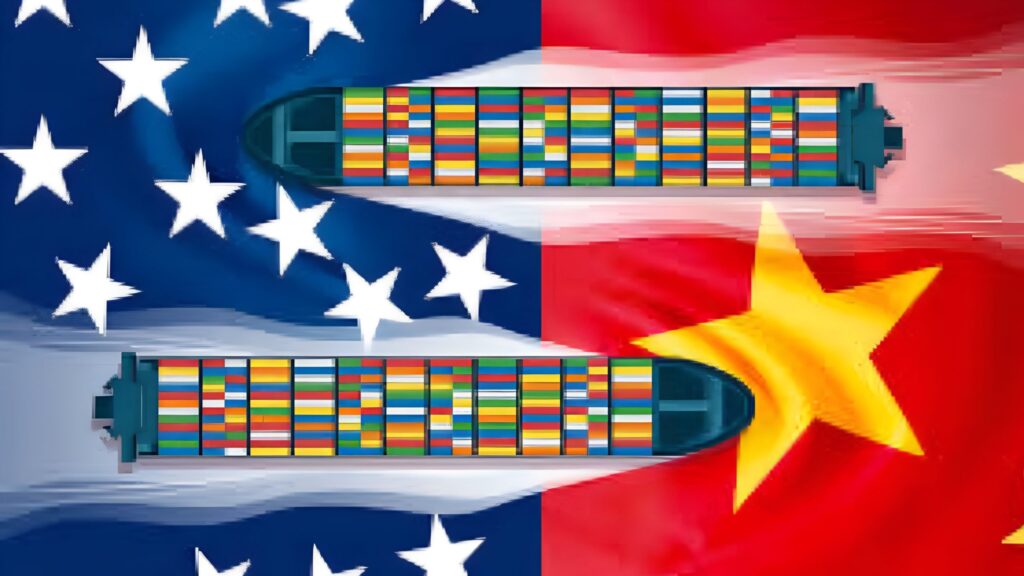
US–China Trade Tensions Spill Over to the Seas as Both Nations Impose New Port Fees
Summary
The US and China have escalated trade measures to the maritime sphere: both are now applying additional port fees on vessels linked to the other country. China is collecting special levies on US-owned, -operated, -built or -flagged ships (with exemptions for vessels built in China and empty ships in for repair), applied at the first port of entry per voyage or for the first five voyages in a year under a billing cycle that began on 17 April. The US introduced matching fees earlier; Washington starts collecting its charges on 14 October. Analysts estimate the measures could cost shipping groups billions — COSCO may shoulder nearly half of an expected $3.2bn bill by 2026 — and affect a meaningful share of crude tankers and container ships.
The tit-for-tat approach sits alongside other tensions: threats of 100% tariffs on Chinese goods, tighter export controls on software, and warnings of sanctions or port bans tied to support for the IMO emissions plan. Market responses include COSCO announcing a share buyback to protect shareholder value. Industry commentators warn these maritime levies risk distorting freight flows and turning shipping into an explicit geopolitical tool rather than a neutral facilitator of trade.
Key Points
- China now levies special port charges on US-linked vessels; ships built in China and empty repair visits are exempt.
- Charges are billed at the first port of entry per voyage or for the first five voyages in a year (billing cycle started 17 April).
- The US announced similar fees earlier; Washington begins collecting on 14 October 2025.
- Analysts estimate the combined measures could cost around $3.2bn by 2026, with COSCO bearing a large share.
- Jefferies and other analysts warn the fees could affect about 13% of crude tankers and 11% of container ships, altering vessel economics and routing.
- The measures are part of a broader escalation — tariff threats, export controls and potential sanctions tied to IMO emissions politics.
- Market reaction: COSCO’s shares rose after it unveiled a CNY 1.5bn share buyback to shore up investor confidence.
- Shipping industry voices caution that maritime taxation of this sort risks distorting global freight flows and incentivising rerouting or decoupling.
Context and Relevance
This story matters because it converts diplomatic and trade friction into direct costs and operational constraints for global logistics. Port fees of this kind alter shipping economics, raise freight and insurance costs, and encourage rerouting or flag/ownership changes — all of which can feed into higher supply‑chain costs and delays for importers and exporters.
For logistics managers, freight forwarders and carriers the implications are immediate: need to reassess carrier contracts, voyage planning, route optimisation and cost pass‑throughs. For supply‑chain strategists it accelerates trends towards nearshoring, diversification of sourcing, and stronger contingency planning. More broadly, it underlines how environmental policy, sanctions and trade measures are increasingly being used as geopolitical levers that directly affect transport networks and commodity flows.
Why should I read this?
Short version: if you move goods internationally, this affects your costs and routes. The piece explains who pays what, when the fees kick in, who’s likely to take the hit (COSCO is a big one) and why this could force shipping reroutes or cost hikes. It’s a quick heads‑up so you can start planning rather than reacting later.
Author style
Punchy — the reporting is sharp and focused on what logistics and trade professionals need to know. Given the potential for widespread impact, it’s worth digging into the details if you handle international freight, procurement or carrier strategy.