
Tribes win when Supreme Court declines to hear case
Summary
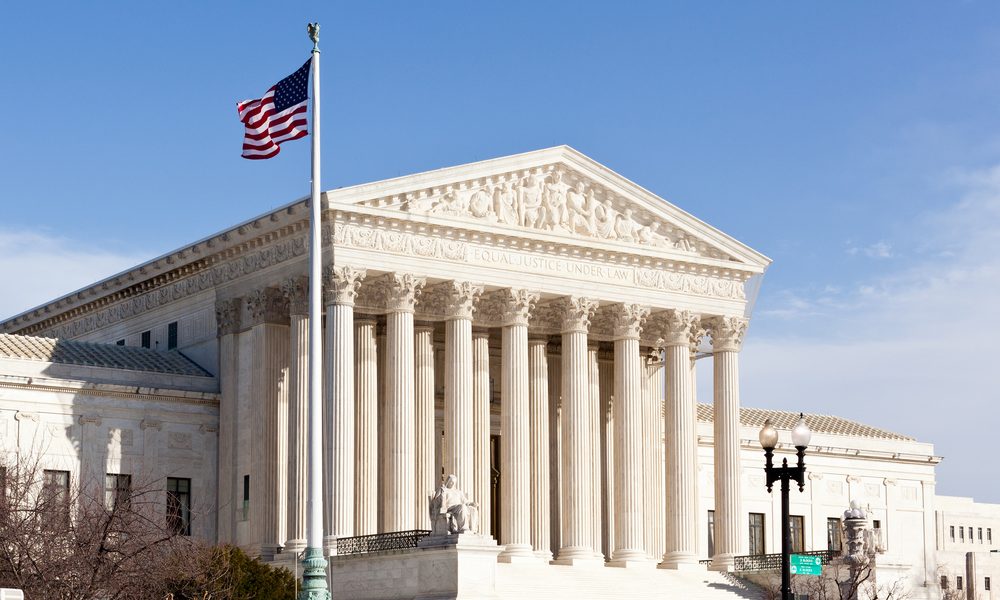
The U.S. Supreme Court on Monday declined to hear a challenge brought by Maverick Gaming (now RunItOneTime) against the Indian Gaming Regulatory Act (IGRA) and tribal gaming compacts in Washington state. The company, which has filed for bankruptcy, sought to invalidate tribal compacts — including those involving the Shoalwater Bay Tribe — and argued that a 2020 Washington law allowing sports betting only on tribal lands created a “discriminatory tribal gaming monopoly.” Federal district court and the Ninth Circuit had already rejected Maverick’s claims. Tribal attorneys and leaders hailed the Court’s refusal to take the case as a major win for tribal sovereignty and the compacting process under IGRA.
Key Points
- The Supreme Court declined to review RunItOneTime’s challenge to IGRA and Washington tribal compacts.
- Lower courts (district court and the Ninth Circuit) had ruled against Maverick/RunItOneTime.
- The suit attacked a 2020 Washington law limiting sports betting to tribal lands, alleging a discriminatory monopoly.
- The decision preserves the legitimacy of tribal compacts and reduces legal uncertainty for tribes and industry partners.
- Tribal leaders and advocates called the outcome a significant affirmation of tribal sovereignty and economic protections.
Content Summary
The article reports that the Supreme Court’s refusal to hear the case effectively ends Maverick’s multi-stage legal effort to upend tribal gaming compacts in Washington. At a Global Gaming Expo session in Las Vegas, tribal-gaming attorney Scott Crowell described the outcome as a relief for the compacting process under IGRA. The Native American Rights Fund called the suit “meritless.” Shoalwater Bay Tribe Chairman Quintin Swanson noted the threat the case posed to the tribe’s negotiated compacts, revenue and government functions. RunItOneTime did not respond to requests for comment.
Context and Relevance
This ruling-by-declination matters beyond one company’s lawsuit: it protects the legal foundation for tribal-state compacts under IGRA, giving tribes and the gaming industry greater regulatory certainty. That stability matters for tribal economies that rely on gaming revenue to fund essential services, and it reduces the chance of successful private challenges that could force renegotiations or disrupt operations. The decision also signals how courts may treat similar challenges to state arrangements that favour tribal gaming.
Author style
Punchy: This is a clear, practical win for tribal sovereignty — a legal dead end for a challenge that threatened longstanding compacts and tribal revenue streams. Read it if you care about gaming law or tribal economic stability.
Why should I read this?
Short and simple — this story saves you time: the Supreme Court just refused to shake up tribal gaming law, so tribes keep their compacts and a chunk of legal uncertainty is gone. If you follow gaming, regulation or tribal affairs, this outcome affects revenue, projects and future litigation risk. Worth knowing, fast.
Source
Source: https://cdcgaming.com/tribes-win-when-supreme-court-declines-to-hear-case/