
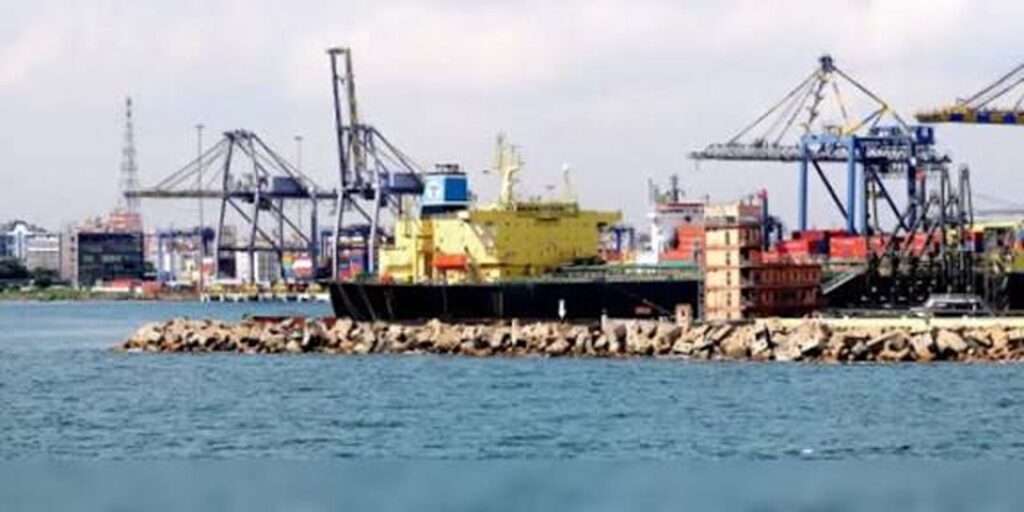
Gujarat Set to Unveil Six New Maritime Policies to Modernise Ports and Shipping
Summary
The Gujarat Maritime Board (GMB) has received state government approval to notify six new maritime policies and regulations aimed at strengthening the state’s ports and wider maritime ecosystem. The package covers a shipbuilding and repair policy, consolidated land management rules, a land reclamation policy, a Vessel Traffic Management System (VTMS) framework for the Gulf of Khambhat, and two sets of rules to implement the Gujarat Inland Vessels Act for different vessel categories (A/B and C).
The shipbuilding and repair policy seeks to incentivise shipyards, dry docks, fabrication and repair facilities, and marine-component manufacturing. The land management policy merges previously scattered circulars into one regulation covering land vested, acquired or controlled by GMB, while the land reclamation policy will set out leasing and regulatory procedures for reclaimed areas. The VTMS rules will clarify ownership, operations, maintenance and staffing for vessel-monitoring in the Gulf of Khambhat. The inland-vessel rules set procedures for surveys, registration, detention and pollution control and align state practice with national standards, including rules for pleasure crafts below 10 metres.
Key Points
- GMB cleared to notify six policies covering shipbuilding & repair, land management, land reclamation, VTMS and inland vessel rules.
- Shipbuilding & repair policy aims to attract shipyards, dry docks, repair facilities and marine-component manufacturing units.
- Land management policy consolidates multiple circulars into a single regulatory framework for GMB-controlled land.
- Land reclamation policy will formalise processes for managing, leasing and regulating reclaimed maritime land.
- VTMS policy will define ownership, operations, maintenance, management and staffing requirements for vessel monitoring in the Gulf of Khambhat.
- Two sets of inland-vessel rules will implement the Gujarat Inland Vessels Act: one for Category A/B vessels and another for Category C (including pleasure crafts under 10m), covering registration, surveys, detention and pollution control.
- Rules align state practice with national standards while addressing Gujarat-specific maritime needs — improving safety, oversight and investment clarity.
Context and relevance
Gujarat is India’s leading maritime state, home to major ports and a large coastal economy. These policies are intended to modernise port infrastructure, improve regulatory clarity for land use and reclamation, enhance vessel traffic monitoring in a complex gulf, and bring inland vessel operations under clearer, standardised rules. For port operators, shipbuilders, marine suppliers and investors, the changes offer clearer permitting, potential incentives and improved operational oversight.
On a broader level, the measures feed into national priorities to boost coastal shipping, reduce logistics costs and attract manufacturing and maritime-industry investment. The VTMS and inland-vessel rules also address safety and pollution-control gaps that can have immediate operational and environmental impact.
Why should I read this?
Short version: if you care about ports, shipbuilding, coastal development or maritime investment in India — this matters. Gujarat is rolling out a set of rules that could speed up projects, change land-use practice at ports, and tighten vessel oversight (which affects insurance, operations and compliance). We’ve skimmed the detail so you don’t have to — but if you work in shipping, logistics or marine construction, dig into the full rules when they’re published.
Author style
Punchy: this is a strategic policy package that could move the needle for Gujarat’s maritime competitiveness — keep an eye on the notifications.