
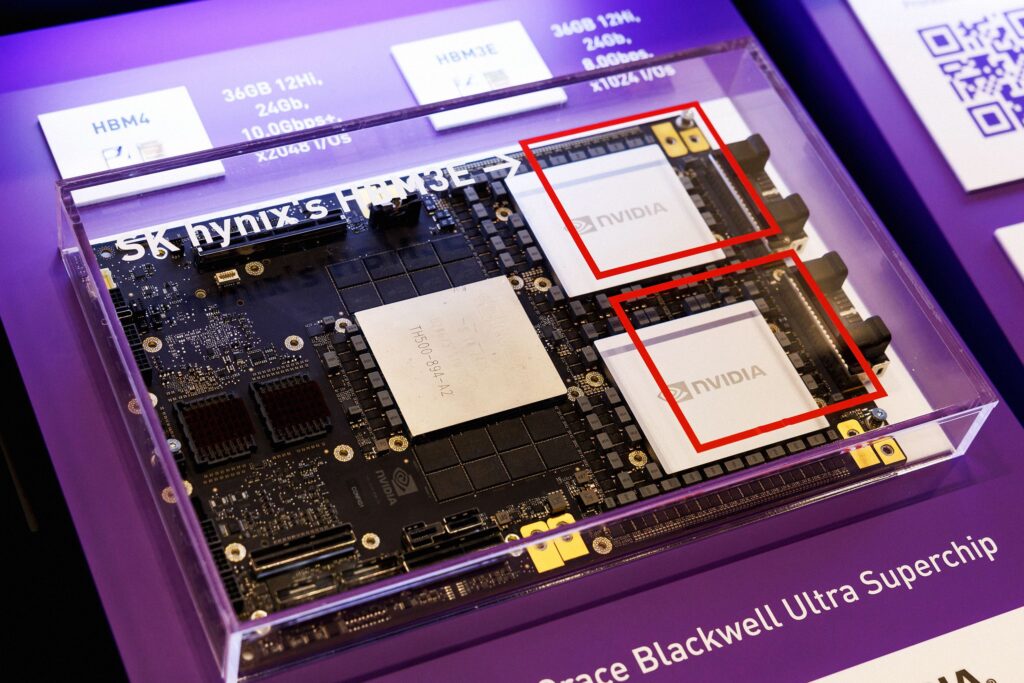
Four Indicted In Alleged Conspiracy To Smuggle Supercomputers and Nvidia Chips to China
Summary
US prosecutors have unsealed an indictment charging four people in Florida, Alabama and California with conspiring to smuggle hundreds of Nvidia GPUs and several supercomputers to China. Authorities say the defendants used a sham Florida real-estate company to buy the hardware, doctored customs paperwork and routed shipments through Thailand and Malaysia. The indictment alleges about 400 Nvidia A100 GPUs were exported, an attempt was made to smuggle roughly 50 H200 chips, and about 10 Hewlett Packard Enterprise supercomputers containing Nvidia H100 chips were targeted. Two unnamed Chinese companies allegedly paid the group nearly $3.9m.
Federal prosecutors warned the chips could be used for military, surveillance, disinformation and cyber operations. Three defendants are in custody, one was released on bond. The suspects face charges for violating export-control laws, carrying potential sentences of up to 20 years. Text messages cited by prosecutors reportedly show one defendant boasting that his father had done similar business for the Chinese Communist Party. The case is part of a broader US effort to curb shipments of advanced AI hardware to China and tighten enforcement around intermediary countries used for smuggling.
Key Points
- Four defendants — Hon Ning Ho, Brian Curtis Raymond, Cham Li and Jing Chen — are indicted over an alleged smuggling operation to China.
- About 400 Nvidia A100 GPUs were exported; attempts were made to move ~50 H200 chips and ~10 H100-containing supercomputers.
- Prosecutors allege a sham Florida real-estate firm was used to purchase chips, with shipments routed via Thailand and Malaysia using falsified customs paperwork.
- Two undisclosed Chinese companies allegedly paid nearly $3.9m for the hardware.
- Text messages cited in court suggest knowledge of export controls and alleged prior import channels; one defendant purportedly boasted of his father’s similar activities.
- Three suspects are detained, one released on bond; charges carry up to 20 years’ imprisonment.
- The case highlights growing US enforcement of export controls intended to limit China’s access to advanced AI-capable semiconductors.
Context and relevance
This indictment sits squarely at the intersection of national security, export controls and the global AI hardware supply chain. Since the US tightened chip-export rules, enforcement has focused not only on direct exports but on intermediary trade routes — especially through Southeast Asia. The alleged scheme illustrates how secondary markets and complex shipping routes can be exploited to bypass controls, and shows US prosecutors are willing to pursue criminal charges to deter such activity. For firms tracking AI capability proliferation, semiconductor policy or geopolitical risk, the story is a clear signal that regulatory and legal risks around AI hardware transfers are intensifying.
Author style
Punchy: this piece hits fast — arrests, alleged routing tactics and prosecutors’ warnings are all in play. If you follow export controls, AI hardware or supply-chain security, the details matter: read the original for the court filings and quoted messages.
Why should I read this?
Short version — it’s not just another tech-crime story. This one shows how advanced AI chips are still being hunted, how smugglers allegedly adapt, and how US enforcement targets the whole chain (buyers, shippers, middlemen). If you care about where AI compute comes from or how export rules are enforced, this saves you time: the key facts and who’s involved are laid out here.
Source
Source: https://www.wired.com/story/smuggling-supercomputers-china-nvidia-indictment/