
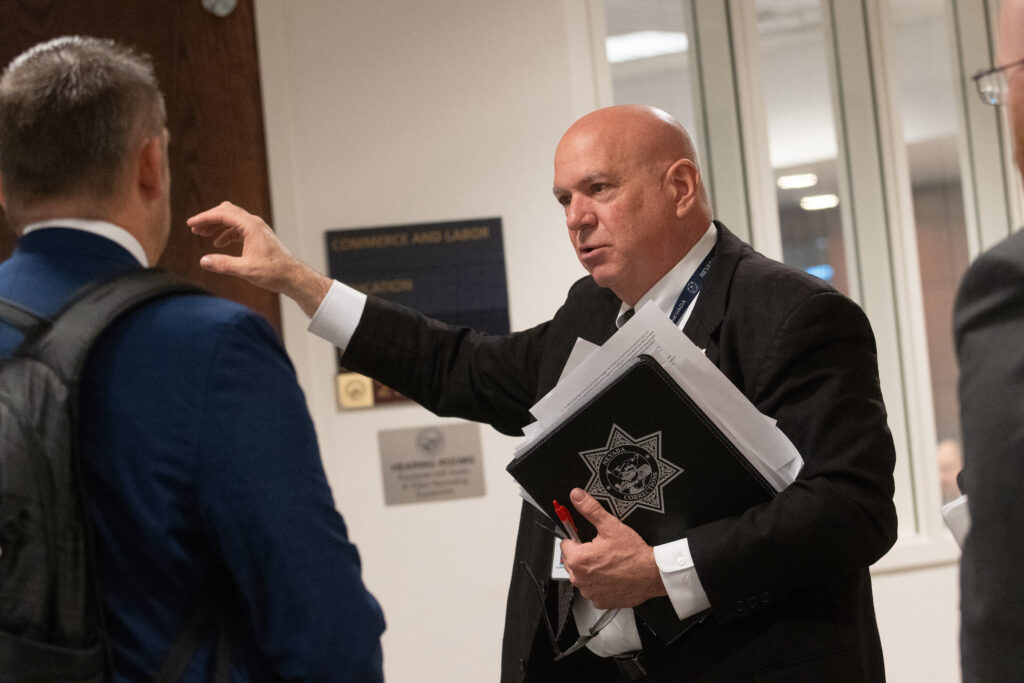
Nevada prison system’s high overtime payouts will continue, agency director says
Summary
The Nevada Department of Corrections (NDOC) continues to face elevated overtime costs that helped create a $53 million budget shortfall in the most recent fiscal year. An audit earlier this year put annual overtime-related losses at about $18 million, citing inconsistent policies and oversight. NDOC spent $10.8 million on overtime in Q4 of FY2025 — down by roughly $2 million from the prior quarter, but still nearly 20% of the agency’s total pay for that quarter.
Director James Dzurenda told the state Board of Examiners the overtime problem is likely to persist and could exceed available funds. Major drivers include increased off-site medical escorts and hospital stays (about $1.5 million in overtime in Q4), a rise in officers required to cover medical trips (from an average 43 to 74 per day since 2023), and growing incidents tied to synthetic drugs. The agency is exploring technology, including AI, to detect drug-laced materials and has requested 90 additional positions approved by the Legislature to help reduce overtime — but training will keep costs high for months. A staffing study finished in June has not yet been released publicly.
Key Points
- NDOC overtime contributed to a $53m budget deficit in the last fiscal year and audits estimate $18m lost annually due to weak overtime oversight.
- Q4 FY2025 overtime spending was $10.8m — the largest of any state agency and nearly one-fifth of NDOC’s quarterly payroll, though it fell by about $2m from the previous quarter.
- Off-site medical supervision is a top overtime cost (nearly $1.5m in Q4) as more prisoners need hospital visits and escorts.
- The average number of officers working overtime for medical trips rose from 43 to 74 per day since 2023.
- NDOC is considering new detection tech (including AI) to spot drugs disguised in paper and ink, but provided few specifics.
- The Legislature approved 90 new positions (costing >$25m across the two-year budget) to ease overtime, but training means high overtime will persist for at least six months.
- A staffing study completed in June may offer longer-term solutions, but its findings have not been released.
Context and relevance
This story matters to taxpayers, lawmakers and anyone tracking state spending or criminal justice operations. Persistent overtime drains NDOC funds, affects budgeting across the state, and points to systemic staffing and oversight issues that other agencies and jurisdictions also face. The combination of medical escort demands and synthetic-drug problems highlights how operational realities (not just pay rates) are driving costs.
Why should I read this?
Short version: Nevada’s prisons are burning through cash on overtime and there’s no quick fix. If you care about state budgets, public safety or how prisons operate day-to-day, this explains what’s eating the money and why policymakers are still scrambling. We skimmed the details so you don’t have to.